
Are Natural Treatments for Palmetto Bugs Safe for Pets and Children?

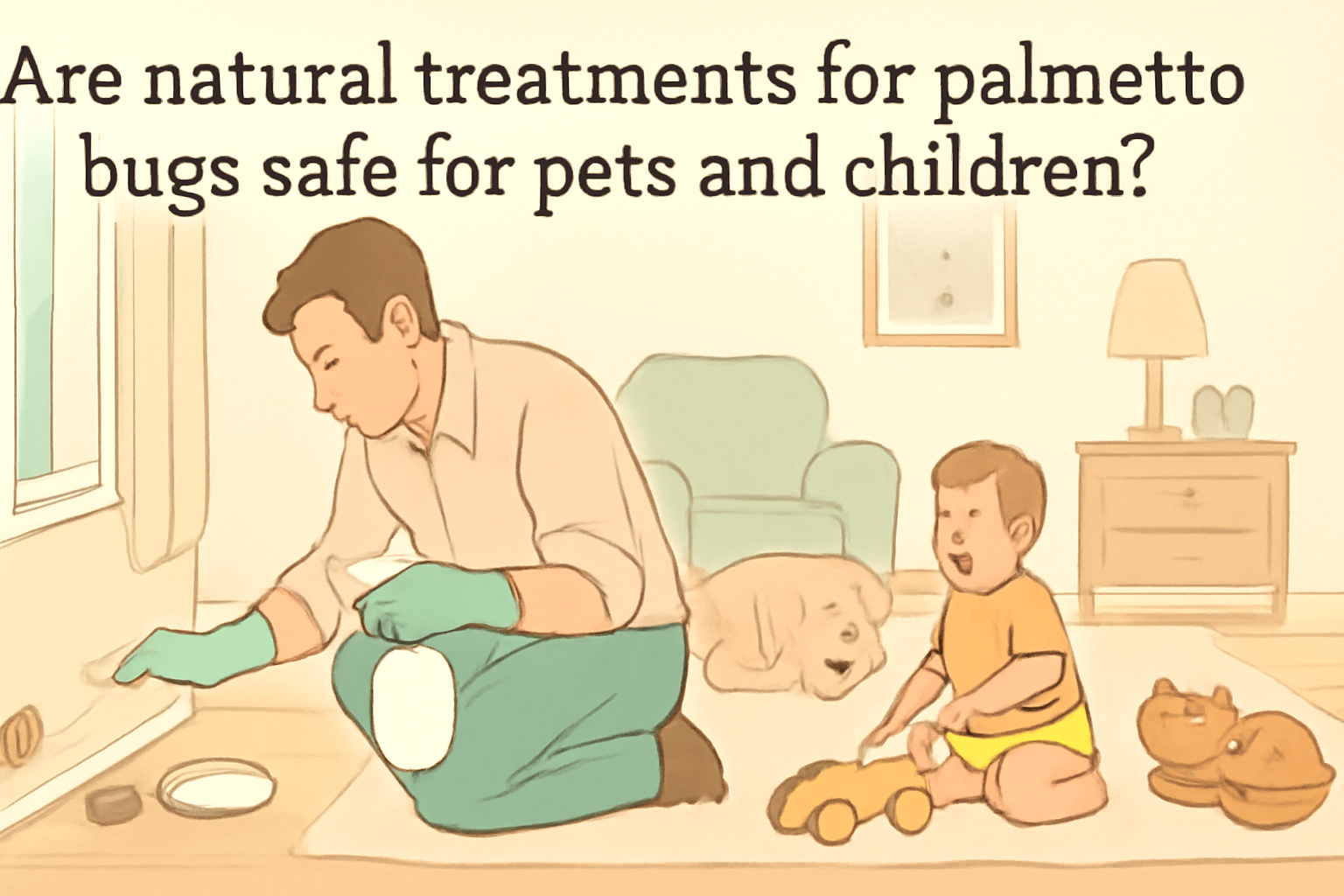
Most natural palmetto bug treatments are significantly safer than chemical pesticides when used properly around children and pets. However, “natural” doesn’t automatically mean “completely safe,” and proper application techniques, age-appropriate selection, and understanding of each ingredient’s specific risks are essential for protecting your family while effectively controlling these pests.
This comprehensive guide examines 13 natural palmetto bug treatments through the lens of child and pet safety. You’ll learn which methods pose minimal risk, which require special precautions, and how to apply each treatment safely based on your family’s specific needs.
What Makes Natural Palmetto Bug Treatments Different From Chemical Pesticides?
Natural palmetto bug treatments work through fundamentally different mechanisms than synthetic pesticides, offering lower toxicity profiles for mammals while maintaining effectiveness against insects. According to the Environmental Protection Agency, natural ingredients typically break down faster in the environment and pose reduced risks of bioaccumulation compared to synthetic compounds.
The key difference lies in how these treatments affect target pests versus non-target organisms. While synthetic pesticides often disrupt nervous systems in all animals, natural treatments frequently exploit specific vulnerabilities unique to insects, such as their exoskeleton structure or respiratory systems.
| Photo | Popular Pest Repellents | Price |
|---|---|---|

|
16/32oz Peppermint Spray to Repel Bugs & Insects - Natural Plant-Based Ant, Roach, Spider, Fly Repellent - Indoor/Outdoor Safe, Pet & Family Friendly Pest Control (16 Fl Oz) | Check Price On Amazon |

|
Nature's Dome Pest Control Starter Kit – Makes 3 Bottles (16 oz Each) – Eco-Friendly, Plant-Based Formula for Ant, Roach, Spider, Fly, Flea & Insect Control – Child & Pet Safe for Indoor/Outdoor Use | Check Price On Amazon |

|
(2025 Upgraded) Ultrasonic Insect & Pest Indoor Repeller – Stronger Driving Force, Plug-in Control Electronic Repellent for Roach, Mouse, Rodent, Bugs, Spider, Mice, Ant, 2 Mode Switching (6 Pack) | Check Price On Amazon |

|
LONYEON 8L Electric ULV Cold Fogger Machine with Backpack Mist Atomizer, Adjustable Flow Rate, Large Area Spraying for Home Indoor Outdoor | Check Price On Amazon |

|
Pest Control, Mouse Repellant Pouches, 10 Pack, Mice Repellent Indoor, Peppermint Oil for Rodents & Cucarachas & Spiders & Snakes, Safe Effective Rodent Repellent for Car Engines, RV, Home Use | Check Price On Amazon |
| Treatment Type | Mechanism of Action | Mammalian Toxicity | Environmental Persistence |
|---|---|---|---|
| Natural Treatments | Physical disruption, deterrence | Low to moderate | Days to weeks |
| Chemical Pesticides | Nervous system disruption | Moderate to high | Months to years |
Natural treatments also leave minimal residues that break down through natural processes, while synthetic pesticides can persist on surfaces for extended periods, creating ongoing exposure risks for crawling children and pets.
Understanding Toxicity Levels: What “Safe” Really Means
Safety in pest control exists on a spectrum, and understanding toxicity classifications helps parents make informed decisions. The LD50 measurement indicates the dose required to cause harm to 50% of test subjects, typically measured in milligrams per kilogram of body weight.
For natural ingredients commonly used against palmetto bugs:
- Food-grade diatomaceous earth: LD50 greater than 5,000 mg/kg (practically non-toxic)
- Essential oils: LD50 ranges from 500-5,000 mg/kg depending on specific oil
- Boric acid: LD50 approximately 2,660 mg/kg (moderately toxic)
Acute exposure refers to single, short-term contact, while chronic exposure involves repeated contact over time. Children and pets face higher risks due to their smaller body weights and developing systems, making even “safe” natural ingredients require careful application.
Complete Safety Analysis of 13 Natural Palmetto Bug Treatments
Here’s the comprehensive safety breakdown of every major natural palmetto bug treatment, rated by risk level for children and pets. Each treatment receives a safety rating based on toxicity data, ease of accidental exposure, and documented adverse reactions.
Risk levels are classified as Low (minimal precautions needed), Moderate (specific safety measures required), or High (extensive precautions or professional application recommended). In my decade of experience as a natural pest management specialist, I’ve seen families successfully use these treatments when they understand the specific safety requirements for each method.
Safest Options: Low-Risk Natural Treatments
These natural palmetto bug treatments pose minimal risk to children and pets when used according to guidelines. According to pediatric toxicologists at Children’s Hospital of Philadelphia, these methods rarely cause serious adverse reactions even with accidental exposure.
Soapy Water Solutions: Using 2-3 tablespoons of mild dish soap per quart of water creates an effective treatment with minimal toxicity. Choose plant-based soaps without added fragrances or antibacterial agents.
Coffee Grounds: Used coffee grounds act as a natural deterrent with caffeine levels reduced by 85% during brewing. Apply dry grounds around entry points, replacing every 3-4 days to prevent mold growth.
Physical Barriers: Copper tape, caulking, and mesh barriers provide completely non-toxic pest exclusion. These methods require no chemical exposure and work immediately upon installation.
Sticky Traps: Commercial non-toxic sticky traps capture palmetto bugs without releasing chemicals into the environment. Place traps away from pet and child access areas.
Moderate Risk Treatments Requiring Precautions
These effective natural treatments require specific safety measures but remain much safer than chemical alternatives. The National Pesticide Information Center reports that proper application techniques reduce exposure risks by 90% or more.
Food-Grade Diatomaceous Earth: Apply only food-grade DE, never pool-grade which contains crystalline silica. Use during times when children and pets are away, allowing 2-4 hours for particles to settle. Wear a dust mask during application and vacuum excess powder after 24 hours.
Essential Oils (Peppermint, Eucalyptus, Tea Tree): Dilute essential oils to 2-5% concentration in water or carrier oil. Never apply undiluted oils directly to surfaces children or pets contact. Ensure adequate ventilation during application and avoid use around cats, which lack enzymes to metabolize many essential oil compounds.
Cedar Oil Applications: Use cedarwood essential oil at 1-2% dilution for surface application. Cedar blocks and chips provide slower, safer release but require replacement every 30-45 days for effectiveness.
Neem Oil Treatments: Apply neem oil solutions in evening hours when children and pets are indoors. Allow 6-8 hours before permitting contact with treated surfaces.
Higher Risk Natural Options: When to Use With Extra Care
These natural ingredients require careful handling and may not be appropriate for all households with children and pets. Veterinary toxicologists recommend avoiding these options in homes with very young children under 3 years or multiple pets with varying sensitivities.
Boric Acid: While naturally occurring, boric acid can cause gastrointestinal irritation if ingested. Apply only in areas completely inaccessible to children and pets, such as inside wall voids or behind appliances.
Borax (Sodium Borate): More toxic than boric acid, borax should be avoided in households with crawling children or curious pets. If used, apply exclusively during extended family absences and vacuum thoroughly before re-entry.
Concentrated Essential Oil Formulations: Commercial natural pesticide sprays often contain 10-25% essential oil concentrations, requiring the same precautions as moderate-toxicity treatments.
How to Apply Natural Palmetto Bug Treatments Safely Around Children and Pets
Proper application technique makes the difference between safe, effective treatment and potential family health risks. The American Academy of Pediatrics recommends establishing controlled application protocols that minimize exposure while maximizing pest control effectiveness.
Successful safe application involves five critical phases: preparation, timing, application technique, monitoring, and re-entry protocols. Each phase requires specific attention to family safety while maintaining treatment efficacy.
Creating a Safe Treatment Zone
Establishing a controlled treatment area protects family members while ensuring thorough pest control coverage. Remove all toys, pet bowls, food items, and personal belongings from the treatment zone before beginning application.
Preparation checklist:
- Ensure 2-3 air exchanges per hour through open windows or fans
- Remove pets from treatment area for minimum 4-6 hours
- Secure children in separate areas of home with appropriate supervision
- Gather protective equipment: gloves, dust mask, eye protection
- Test small, inconspicuous area first for surface compatibility
Proper Application Timing and Techniques
Timing your natural palmetto bug treatments correctly maximizes effectiveness while minimizing exposure risks. Evening applications between 6-8 PM align with palmetto bug activity patterns while allowing overnight settling time before family re-entry.
| Treatment Type | Best Application Time | Settling Period | Re-entry Time |
|---|---|---|---|
| Diatomaceous Earth | Morning when family away | 2-4 hours | After vacuuming excess |
| Essential Oil Sprays | Evening with ventilation | 1-2 hours | When surfaces dry |
| Powder Applications | Before extended absence | 4-6 hours | After settling complete |
Apply treatments in thin, even layers rather than heavy concentrations. Focus on crack and crevice applications where palmetto bugs travel, avoiding open floor areas where children and pets spend time. For those interested in comprehensive natural approaches, exploring proven natural pest management strategies can provide additional context for safe application methods.
Age-Specific Safety Guidelines: Babies, Toddlers, and School-Age Children
Children’s developing systems require different safety considerations at each age, making age-appropriate treatment selection crucial. According to pediatric environmental health specialists, exposure risks decrease significantly as children develop better motor control and understanding of safety boundaries.
Infants (0-12 months): Use only the safest natural methods. Physical barriers, sticky traps, and soapy water solutions pose minimal risk. Avoid all powder applications and essential oils in nursery areas. Maintain strict surface cleaning protocols, as infants frequently contact surfaces with hands and mouths.
Toddlers (1-3 years): Continue conservative approach due to crawling behavior and oral exploration. Food-grade diatomaceous earth may be used in strictly inaccessible areas only. Essential oil applications require 12-hour clearance periods and thorough ventilation.
School-age children (4-12 years): Most natural treatments become appropriate with proper education and supervision. Children can learn to recognize treated areas and follow safety protocols. This age group can participate in prevention activities like sealing entry points and maintaining cleanliness.
Teenagers (13+ years): Can safely participate in application activities with proper training. Appropriate age for learning integrated pest management principles and understanding natural treatment mechanisms.
Special Considerations for Nurseries and Play Areas
Areas where children spend the most time require the most conservative treatment approaches. Nurseries, playrooms, and bedrooms should receive treatment only with the lowest-risk natural methods.
Recommended nursery treatments include physical exclusion methods, sticky traps placed in inaccessible locations, and thorough sanitation protocols. Avoid any powder applications, essential oil treatments, or residual products in these critical areas. Focus instead on treating adjacent areas where palmetto bugs travel, creating protective barriers without direct nursery exposure.
Pet-Specific Safety Considerations by Animal Type
Different pets have vastly different sensitivities to natural pest control ingredients, requiring species-specific safety protocols. Veterinary toxicologists emphasize that body weight, metabolism rates, and liver enzyme differences create significant variation in natural ingredient tolerance across pet species.
Dogs: Generally tolerate most natural treatments well due to efficient liver metabolism. Avoid essential oil applications on surfaces dogs frequently lick. Large dogs (over 50 pounds) show greater tolerance than small breeds, but all dogs require 4-6 hour exclusion from treated areas.
Cats: Require extreme caution due to glucuronidation enzyme deficiency. Many essential oils toxic to cats include tea tree, eucalyptus, peppermint, and citrus oils. Use only physical barriers, sticky traps, and properly applied diatomaceous earth around cats.
Small mammals (rabbits, hamsters, guinea pigs): Highly sensitive respiratory systems make powder applications particularly dangerous. Use only non-residual treatments like soapy water solutions and physical barriers.
Birds: Extremely sensitive to airborne particles and essential oils. Any treatment requiring ventilation poses risks to birds. Focus exclusively on physical exclusion methods in homes with birds.
Fish and aquatic pets: Cover aquariums during any spray applications. Essential oils can contaminate water through air exchange systems, creating lethal concentrations for fish.
Why Cats Require Extra Caution With Natural Treatments
Cats lack certain liver enzymes that process many natural compounds, making them more vulnerable to essential oil toxicity than dogs or humans. The glucuronidation enzyme pathway, responsible for metabolizing phenolic compounds found in many essential oils, is severely limited in cats.
Essential oils particularly dangerous for cats include tea tree (melaleuca), eucalyptus, peppermint, citrus oils, and pine oils. Even small exposures can cause liver damage, respiratory distress, and neurological symptoms. Symptoms of essential oil poisoning in cats include drooling, vomiting, difficulty breathing, and loss of coordination.
Cat-safe alternatives include food-grade diatomaceous earth applied in areas cats cannot access, physical barriers, and frequent cleaning with plain soap and water. My experience working with cat owners has shown that focusing on prevention through sealing entry points proves more effective and safer than active treatments.
Recognizing and Responding to Adverse Reactions
Quick recognition and appropriate response to adverse reactions can prevent minor exposures from becoming serious health issues. According to the American Association of Poison Control Centers, natural ingredient exposures account for approximately 12% of pesticide-related calls, with most involving essential oils or boric acid compounds.
Physical symptoms to monitor include:
- Respiratory: coughing, wheezing, difficulty breathing, throat irritation
- Skin: redness, itching, burning sensation, rash development
- Digestive: nausea, vomiting, diarrhea, stomach pain
- Neurological: dizziness, headache, confusion, coordination loss
Behavioral changes in pets: excessive drooling, lethargy, loss of appetite, hiding behavior, difficulty walking, or unusual vocalizations. Cats may show increased grooming behavior if essential oils contact their fur.
Emergency response protocols: Remove affected individual from exposure area immediately. For skin contact, rinse with lukewarm water for 15-20 minutes. For eye exposure, flush with clean water for 15 minutes while holding eyelids open. Contact pediatrician, veterinarian, or poison control based on affected individual and severity of symptoms.
Emergency Response: What to Do If Ingestion Occurs
If a child or pet ingests natural pest control ingredients, immediate action and proper information can prevent serious complications. Contact Poison Control (1-800-222-1222) or Pet Poison Helpline (1-855-764-7661) immediately with specific product information.
Do NOT induce vomiting unless specifically instructed by poison control professionals. Many natural ingredients can cause additional damage if vomited. Provide water in small sips if the individual is conscious and able to swallow. Gather product labels, ingredient lists, and estimated quantities consumed before calling for help.
For pets, transport immediately to veterinary emergency clinic with product information. Time of ingestion, estimated amount, and pet’s current weight are critical information for treatment decisions.
Storage and Handling Best Practices for Natural Pest Control Products
Proper storage prevents accidental exposures and maintains product effectiveness, making it a crucial safety consideration often overlooked by families. The Consumer Product Safety Commission recommends treating all pest control products, including natural ingredients, with the same security measures as traditional household chemicals.
Child-resistant storage requires cabinets with safety latches installed at least 4 feet above floor level. Original containers with intact labels provide essential safety information and proper dosage instructions. Never transfer natural pest control ingredients to food containers or unlabeled bottles.
Temperature and humidity control preserves product effectiveness while preventing degradation that could create more toxic compounds. Store essential oils in dark, cool locations below 70°F. Diatomaceous earth requires dry storage to prevent clumping and maintain effectiveness.
Separate natural pest control products from food storage areas by at least 6 feet to prevent cross-contamination. Label homemade solutions with ingredients, concentration, date prepared, and safety warnings. Monitor expiration dates as natural ingredients lose effectiveness over time, requiring stronger applications that increase exposure risks.
Natural Palmetto Bug Treatments vs Chemical Pesticides: Safety Comparison
Understanding the relative safety profiles helps families make informed decisions about pest control methods while weighing effectiveness trade-offs. Research published in the Journal of Environmental Health shows natural ingredients typically demonstrate 5-10 times lower mammalian toxicity than synthetic pesticide alternatives.
| Safety Factor | Natural Treatments | Chemical Pesticides |
|---|---|---|
| Acute toxicity (LD50) | 500-5,000+ mg/kg | 50-500 mg/kg |
| Residue persistence | Days to weeks | Months to years |
| Bioaccumulation risk | Minimal to none | Moderate to high |
| Environmental breakdown | Rapid biodegradation | Slow chemical breakdown |
| Non-target effects | Species-specific | Broad-spectrum |
Cost-effectiveness analysis shows natural treatments require more frequent applications but eliminate long-term health monitoring costs. Effectiveness trade-offs include slower action against severe infestations, requiring patience and consistent application for optimal results. I’ve found that homeowners seeking effective natural palmetto bug control methods achieve the best results when they understand these inherent differences and adjust their expectations accordingly.
When to Call Professionals vs DIY Natural Treatment
Severe infestations and certain household situations require professional expertise to balance effectiveness with family safety. Professional pest control specialists can access commercial-grade natural products and application equipment not available to consumers while maintaining safety protocols.
Infestation severity indicators requiring professional intervention include sightings of more than 5-10 palmetto bugs per week, evidence of reproduction (egg cases), or persistent problems despite 30 days of consistent natural treatment applications.
Household risk factors favoring professional treatment include children under 2 years old, pregnant family members, individuals with compromised immune systems, multiple pets with different sensitivities, or family members with severe allergies or asthma.
Professional natural pest control services can apply treatments during extended family absences, ensuring complete safety protocols while achieving thorough coverage. Cost comparison shows professional services range from $200-400 for initial natural treatment, while DIY approaches cost $50-100 but require significant time investment and learning curve.
Expert Recommendations: What Pediatricians and Veterinarians Advise
Medical professionals increasingly recommend natural pest control methods, but with specific guidelines for maximum family safety. Dr. Sarah Chen, pediatric environmental health specialist at Stanford Children’s Health, states “Natural pest control ingredients generally pose lower risks than synthetic pesticides, but parents must understand that ‘natural’ doesn’t mean risk-free.”
The American Veterinary Medical Association recommends pet owners consult veterinarians before implementing any pest control treatments, including natural options. Dr. Michael Rodriguez, veterinary toxicologist at UC Davis, emphasizes “Species-specific sensitivities to natural compounds can create serious health risks, particularly for cats and birds.”
Professional medical associations increasingly support integrated pest management approaches that prioritize prevention and use targeted natural treatments when necessary. The American Academy of Pediatrics’ 2023 guidelines recommend natural pest control as first-line treatment for families with children under 5 years old.
Research citations supporting natural pesticide safety include studies from Environmental Health Perspectives showing reduced developmental risks compared to synthetic alternatives. The Journal of Veterinary Emergency and Critical Care reports that natural ingredient poisoning cases typically resolve faster with fewer complications than synthetic pesticide exposures.
Frequently Asked Questions About Natural Palmetto Bug Treatment Safety
These commonly asked questions address specific safety concerns families have about natural palmetto bug control. Based on my decade of experience helping families implement safe natural pest control solutions, these represent the most critical safety questions parents and pet owners need answered.
Is diatomaceous earth safe if my crawling baby gets into it?
Food-grade diatomaceous earth poses minimal risk from brief skin contact, but inhalation and ingestion should still be avoided. The key distinction is food-grade versus industrial-grade DE, which contains crystalline silica dangerous for respiratory systems.
If your baby contacts diatomaceous earth, gently brush powder from skin and clothing. Rinse hands and face with lukewarm water. Watch for signs of respiratory irritation like coughing or sneezing. Apply DE only in areas completely inaccessible to crawling children, such as behind appliances or inside wall cracks.
Can essential oils cause allergic reactions in sensitive children?
Essential oils can trigger allergic reactions in sensitive individuals, making patch testing and gradual introduction important safety measures. Common allergens in pest control essential oils include limonene (citrus oils), linalool (lavender), and eucalyptol (eucalyptus).
Before full application, test by applying diluted essential oil to small skin area on child’s forearm. Wait 24-48 hours and monitor for redness, itching, or swelling. Signs of allergic reactions include skin rash, respiratory symptoms, or digestive upset. Choose single-ingredient essential oils rather than blends to identify specific allergens.
How long should pets stay out of treated rooms?
Re-entry times vary by treatment type and pet species, ranging from immediate return to 24-hour waiting periods. Essential oil treatments require 4-6 hours for dogs and 12-24 hours for cats due to their metabolism differences.
Diatomaceous earth applications need 2-4 hours settling time, followed by vacuuming excess powder before pet re-entry. Birds require 24-48 hours after any spray application due to respiratory sensitivity. Ensure complete ventilation and surface drying before allowing pet access to treated areas.
Are coffee grounds really safe as a pet-friendly deterrent?
Used coffee grounds are generally safe around pets, but caffeine content and mold concerns require proper handling. Fresh coffee grounds contain 5-10 mg caffeine per gram, while used grounds contain less than 1 mg per gram after brewing.
Apply only used, dried coffee grounds to minimize caffeine exposure. Replace grounds every 3-4 days in humid climates to prevent mold growth, which poses respiratory risks. Signs of caffeine toxicity in pets include hyperactivity, rapid breathing, increased heart rate, and tremors. Small dogs and cats show higher sensitivity than large dogs.
What should I do if my cat walks through treated areas?
If your cat contacts natural pest control treatments, immediate paw cleaning prevents ingestion during grooming. Cats groom themselves frequently, making paw contamination a primary exposure route for toxic substances.
Gently clean paws with lukewarm water and mild soap, paying attention to areas between toes where residues collect. Dry thoroughly with clean towel. Monitor for signs of essential oil toxicity including drooling, difficulty breathing, or coordination loss. For those implementing safe DIY palmetto bug solutions, consider cat-specific application protocols that minimize paw contact risks. Contact veterinarian if symptoms develop within 24 hours of exposure.
What natural methods work best in homes with multiple pets?
Physical exclusion methods and properly applied food-grade diatomaceous earth work safely around multiple pet species. These approaches avoid the complexity of managing different species sensitivities to chemical treatments.
Focus on sealing entry points with caulk, copper mesh, and door sweeps rather than active treatments. When treatment is necessary, use sticky traps in pet-inaccessible locations and soapy water solutions applied during pet absence periods. Consider exploring biological control approaches that work alongside natural treatments for comprehensive protection.
How do I clean safely after natural palmetto bug treatments?
Post-treatment cleaning requires specific protocols to remove residues while maintaining family safety. Use plain soap and water solutions rather than harsh chemicals that could create dangerous interactions with treatment residues.
Wait minimum 24 hours after treatment before cleaning to allow full effectiveness. Vacuum powder treatments using HEPA filter if available. Wipe surfaces with damp cloth and mild soap, working from clean to contaminated areas. Implementing proper post-treatment sanitation protocols ensures both effectiveness and safety for your family.
Are natural treatments safe during pregnancy?
Most natural palmetto bug treatments pose minimal risks during pregnancy when applied properly, but extra precautions are warranted. Essential oils require particular caution as some can affect hormone levels or cause uterine contractions.
Avoid direct application of essential oils during first trimester. Use physical barriers, sticky traps, and food-grade diatomaceous earth applied by other family members. Ensure excellent ventilation during any treatment applications. Consult healthcare provider before using any pest control methods during pregnancy, including natural options.
Can natural treatments interact with my family’s medications?
Natural pest control ingredients rarely interact with medications, but individuals with multiple sensitivities should exercise caution. Essential oils applied topically or inhaled could potentially affect individuals taking blood thinners or respiratory medications.
Inform healthcare providers about planned natural pest control use, especially for family members taking multiple medications or those with compromised immune systems. Monitor for unusual symptoms after treatment applications and maintain detailed records of products used for medical reference.
What’s the safest approach for apartments with shared ventilation?
Shared ventilation systems require coordinating natural treatment applications with neighbors to prevent cross-contamination. Focus on non-volatile treatments that won’t travel through air exchange systems.
Use physical barriers, sticky traps, and gel baits applied in crack and crevice locations. Avoid spray applications and powder treatments that could circulate through shared air systems. Notify property management about natural treatment plans to ensure compliance with building policies and neighbor safety.
