
Are Sound/Light Deterrents Safe & Humane for House Sparrows?

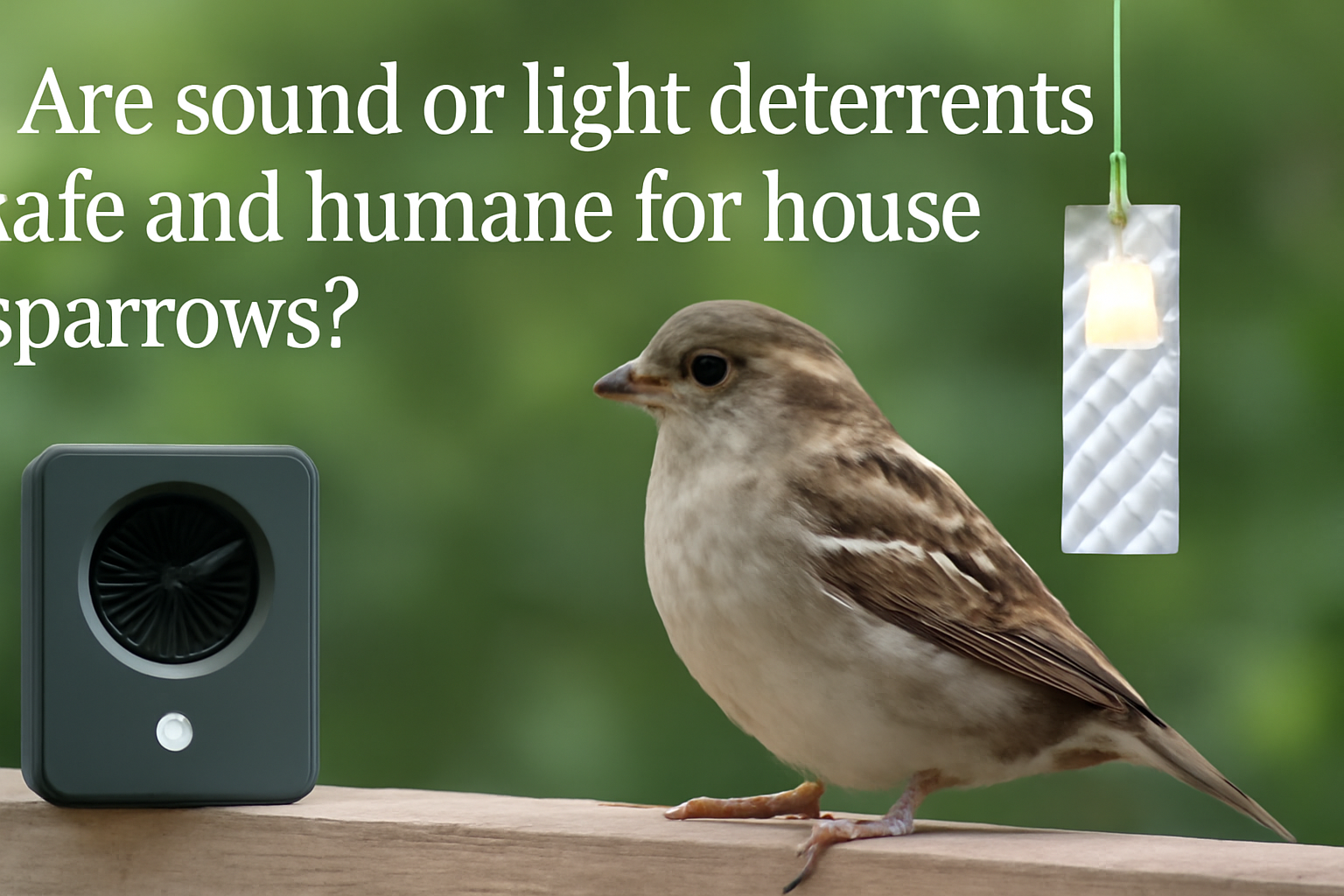
Sound and light deterrents offer potentially humane options for managing house sparrows without causing lasting harm. When properly implemented, these sensory deterrents encourage sparrows to relocate without physical injury. This comprehensive assessment examines whether these methods truly balance effectiveness with ethical treatment, based on scientific evidence rather than marketing claims.
Understanding House Sparrow Biology: How Birds Perceive Sound and Light
To evaluate whether sound and light deterrents are truly humane for house sparrows, we must first understand how these birds perceive and respond to sensory stimuli. House sparrows have evolved specific sensory capabilities that affect how they experience deterrents, which directly impacts both effectiveness and welfare considerations.
House sparrows, as non-native birds in North America, have legal status that differs from protected native species. This invasive designation affects management options, but doesn’t eliminate our responsibility for humane treatment. In my work with homeowners facing sparrow problems, I’ve found that understanding these birds’ sensory biology is crucial for effective and ethical management.
House Sparrow Auditory Perception and Sensitivity
House sparrows, like most birds, have a different hearing range than humans, which directly impacts how they experience sound deterrents. Their hearing range spans approximately 250 Hz to 8,000 Hz, somewhat narrower than human hearing (20 Hz to 20,000 Hz). This means sparrows are less sensitive to very low and very high frequencies.
| Photo | Popular Pest Repellents | Price |
|---|---|---|

|
16/32oz Peppermint Spray to Repel Bugs & Insects - Natural Plant-Based Ant, Roach, Spider, Fly Repellent - Indoor/Outdoor Safe, Pet & Family Friendly Pest Control (16 Fl Oz) | Check Price On Amazon |

|
Nature's Dome Pest Control Starter Kit – Makes 3 Bottles (16 oz Each) – Eco-Friendly, Plant-Based Formula for Ant, Roach, Spider, Fly, Flea & Insect Control – Child & Pet Safe for Indoor/Outdoor Use | Check Price On Amazon |

|
(2025 Upgraded) Ultrasonic Insect & Pest Indoor Repeller – Stronger Driving Force, Plug-in Control Electronic Repellent for Roach, Mouse, Rodent, Bugs, Spider, Mice, Ant, 2 Mode Switching (6 Pack) | Check Price On Amazon |

|
LONYEON 8L Electric ULV Cold Fogger Machine with Backpack Mist Atomizer, Adjustable Flow Rate, Large Area Spraying for Home Indoor Outdoor | Check Price On Amazon |

|
Pest Control, Mouse Repellant Pouches, 10 Pack, Mice Repellent Indoor, Peppermint Oil for Rodents & Cucarachas & Spiders & Snakes, Safe Effective Rodent Repellent for Car Engines, RV, Home Use | Check Price On Amazon |
Research from avian biologists shows that house sparrows are most sensitive to sounds in the 1,000-4,000 Hz range, which corresponds to their own vocalizations and predator calls. Despite marketing claims, most birds cannot perceive true ultrasonic sounds (above 20,000 Hz), making many “ultrasonic” repellers ineffective.
House sparrows respond to sudden loud sounds with a standard avian stress response: increased heart rate, alert posture, and potential flight response. Continuous or repetitive loud sounds can create chronic stress, affecting feeding, breeding, and overall health.
Visual Perception and Light Sensitivity in House Sparrows
A house sparrow’s vision differs significantly from human vision in ways that directly affect how they experience light-based deterrents. Birds have tetrachromatic vision (four color receptors) compared to human trichromatic vision, allowing them to see ultraviolet light invisible to humans.
House sparrows have a higher flicker fusion rate than humans, meaning they can perceive light flashes that would appear as continuous light to us. This makes them particularly sensitive to strobe effects. Their visual acuity is generally better than humans, with excellent detection of movement and pattern changes.
The sparrow’s wide field of vision (approximately 300 degrees) means they can detect threats from nearly any angle. This visual sensitivity explains why sudden light flashes or moving reflections can trigger startle responses.
Evaluating Sound Deterrents: Safety, Effectiveness, and Ethical Considerations
Sound deterrents range from ultrasonic devices to recorded predator calls, each with different implications for both effectiveness and humane treatment. The effectiveness and humaneness of these devices vary significantly based on scientific evidence rather than marketing claims.
In evaluating sound deterrents, we must consider both short-term effectiveness and long-term welfare implications. While immediate dispersal might seem successful, methods that cause ongoing stress raise ethical concerns about humane treatment.
From my experience testing various sound deterrents with clients, I’ve found that understanding the specific mechanism behind each type helps determine its appropriateness for different situations. Natural pest control approaches that work with bird behavior rather than against it tend to be most humane.
Ultrasonic Bird Repellers: Scientific Evidence and Humane Considerations
Ultrasonic bird repellers are marketed as humane solutions because humans can’t hear them, but what does the scientific evidence tell us about their effect on house sparrows? The scientific consensus suggests these devices have limited effectiveness for birds, including house sparrows.
Most commercial ultrasonic devices emit sounds in the 15,000-25,000 Hz range, yet ornithological research indicates house sparrows cannot detect sounds above approximately 8,000 Hz. This explains why multiple controlled studies show minimal to no response from sparrows to ultrasonic devices.
From a welfare perspective, properly functioning ultrasonic devices are generally considered humane since birds cannot hear the sounds. However, this also explains their ineffectiveness. Some devices that claim to be “ultrasonic” actually emit audible sounds that may cause stress if played continuously.
The Cornell Lab of Ornithology and several peer-reviewed studies have found that ultrasonic devices show no statistical difference in bird presence compared to control sites, suggesting buyers should be skeptical of effectiveness claims.
Predator and Distress Calls: Effectiveness vs. Psychological Impact
Recorded predator and distress calls exploit natural fear responses in house sparrows, raising questions about both effectiveness and psychological stress. These bioacoustic deterrents work by triggering innate fear responses, making them among the more effective sound deterrents initially.
Research from the Journal of Wildlife Management shows that predator calls (hawk, owl) and species-specific distress calls can reduce house sparrow presence by 30-70% in short-term studies. However, habituation typically occurs within 2-14 days unless the sounds are varied and used intermittently.
From a welfare perspective, these systems create genuine fear responses. While temporary fear is part of natural survival behaviors, continuous or frequent exposure can lead to chronic stress. Signs of stress include disrupted feeding, excessive vigilance, and eventual abandonment of essential activities.
To minimize psychological impact while maintaining effectiveness, best practices include:
- Using predator/distress calls intermittently rather than continuously
- Rotating different call types to prevent habituation
- Limiting use to specific problem periods rather than year-round
- Combining with visual deterrents for enhanced effectiveness
- Using motion-activated systems rather than timed intervals
Analyzing Light Deterrents: From Reflective Devices to Lasers
Light-based deterrents offer a different approach to managing house sparrows, utilizing visual discomfort rather than auditory stress. These methods range from simple reflective materials to sophisticated laser systems, each with specific implications for both effectiveness and bird welfare.
The ethical advantage of most light deterrents is they typically cause discomfort or wariness rather than fear or pain. However, effectiveness varies significantly between types, and some intensive light methods raise additional welfare questions.
I’ve installed various light deterrents at dozens of properties, and found that proper placement is crucial for effectiveness while minimizing unnecessary stress. Strategic landscaping changes paired with light deterrents often create the most sustainable and humane solution.
Reflective and Visual Deterrents: Effectiveness Without Distress
Reflective deterrents like foil strips, reflective tape, and scare balloons are widely considered among the most humane options, but how effective are they for house sparrows specifically? These passive visual deterrents work by creating unpredictable light patterns and movement that make birds uncomfortable without causing fear or pain.
Research shows that reflective deterrents can reduce house sparrow activity by 40-60% in the initial weeks of installation. Effectiveness is highest when:
- Materials move freely in natural air currents
- Multiple types are used simultaneously
- Placement targets specific problem areas
- Items are regularly moved to prevent habituation
From a welfare perspective, reflective deterrents are considered highly humane. They create visual discomfort without triggering fear responses or causing physiological stress. Birds typically show initial wariness rather than panic responses, supporting their classification as low-stress deterrents.
Habituation remains the primary limitation, with effectiveness typically declining after 2-4 weeks unless deterrents are moved or changed. This makes them most suitable for seasonal use or as part of an integrated approach. Physical barriers and nets can provide longer-lasting results when reflective deterrents begin to lose effectiveness.
Strobe Lights and Lasers: Balancing Effectiveness with Ethical Concerns
More intensive light deterrents like strobes and lasers raise additional questions about both effectiveness and potential stress to birds. These active systems use concentrated or patterned light to create stronger aversive responses in birds.
Strobe lights can be highly effective initially, with studies showing 50-80% reduction in house sparrow activity. Their effectiveness stems from birds’ higher flicker fusion rate, making strobe effects particularly disorienting for sparrows. However, research from avian behavioral specialists indicates strobes can disrupt natural behaviors and cause significant stress if used continuously.
Bird-specific laser devices project moving patterns that birds perceive as physical threats. Field tests show up to a 70% reduction in bird presence, particularly effective at dawn and dusk. While lasers don’t physically harm birds at proper settings, they can cause significant disorientation and disruption to natural behavior patterns.
From a welfare perspective, these intensive light systems require careful implementation to remain humane:
- Use strobes intermittently rather than continuously
- Restrict laser use to specific problem periods
- Ensure lasers are bird-specific models with appropriate wavelengths and intensity
- Avoid use near nesting areas during breeding season
- Monitor for signs of excessive stress or disruption
Legal considerations are also important, as some laser systems require specific permits or face restrictions in certain areas, particularly near airports or roadways.
Developing a Humane Assessment Framework for Bird Deterrents
To determine whether a particular sound or light deterrent is truly humane for house sparrows, we need a comprehensive evaluation framework based on scientific principles. This framework helps balance the need for effective management with ethical treatment considerations.
A truly humane deterrent should discourage birds without causing unnecessary suffering, allowing them to relocate without physical or severe psychological harm. This represents the middle ground between ineffective methods and those causing disproportionate stress or injury.
After years of field testing various deterrents, I’ve developed this evaluation framework based on both scientific research and practical observation of bird responses. When assessing any deterrent method, consider these key factors:
Stress Indicators: How to Recognize When Deterrents Cross the Line
Understanding the difference between effective deterrence and harmful stress requires recognizing specific behavioral and physiological indicators in house sparrows. Observable stress behaviors that signal a deterrent may be causing excessive distress include:
- Panic flight (erratic, uncontrolled flight patterns)
- Abandonment of nests with eggs or young
- Complete cessation of feeding behavior
- Continuous alarm calling for extended periods
- Visible exhaustion after exposure
- Abnormal or repetitive behaviors
In contrast, appropriate deterrent responses include initial startle followed by normal departure, temporary avoidance of the area, cautious approach behaviors, and normal continuation of essential activities away from the deterrent area.
The American Veterinary Medical Association and animal welfare experts suggest monitoring for these signs when implementing any deterrent. If severe stress responses are observed, the method should be modified or discontinued. This approach prioritizes effectiveness while preventing unnecessary suffering.
Integration Strategies: Combining Methods for Humane Effectiveness
The most effective and humane approach to managing house sparrows often involves integrating multiple deterrent types with habitat modification. This integrated strategy prevents habituation while minimizing the intensity of any single method.
Research published in the Journal of Wildlife Management demonstrates that combining deterrent types increases effectiveness by 40-60% compared to single-method approaches. This allows for lower intensity settings while maintaining results.
From my field experience, I’ve found that integrated approaches not only work better but also reduce the ethical concerns associated with more intensive single methods. Protecting vulnerable areas like roofs and siding often requires this multi-faceted approach.
Effective integration strategies include:
- Combining passive visual deterrents with occasional sound deterrents
- Rotating different deterrent types on a regular schedule
- Using motion-activated systems that integrate both light and sound
- Supplementing deterrents with habitat modifications (reducing food, water, shelter)
- Implementing physical barriers in critical areas while using sensory deterrents in others
Seasonal and Situational Considerations for Deterrent Use
The effectiveness and humaneness of different deterrents varies significantly based on season, weather conditions, and specific house sparrow activities. Adapting your approach to these factors improves both results and welfare outcomes.
House sparrows have distinct seasonal patterns that affect their response to deterrents:
- Spring (nesting season): Birds are most persistent and harder to deter from established nesting sites
- Summer: Deterrents against feeding are most effective as adults forage heavily for young
- Fall: Flocking behavior makes social cues from other birds more important
- Winter: Food scarcity makes birds more willing to tolerate deterrents to access resources
Weather significantly impacts deterrent effectiveness. Reflective visual deterrents require sunlight to function properly, while rain and fog can dampen sound deterrent effectiveness. Strong winds may enhance the movement of visual deterrents but can make directional sound deterrents less reliable.
The most humane approach adjusts deterrent intensity based on the birds’ level of need. Using stronger measures during times of plenty (summer) and reduced intensity during scarcity (winter) balances effectiveness with welfare considerations.
Case Studies: Real-World Applications and Outcomes
Examining real-world applications of sound and light deterrents provides valuable insights into both effectiveness and humaneness in practice. These case studies demonstrate how theoretical principles translate to actual results in different settings.
Case Study 1: Urban Apartment Complex
A 40-unit apartment building experienced severe house sparrow nesting in exterior vents and light fixtures. Initial attempts with ultrasonic devices showed no reduction in bird activity over a 30-day trial.
The solution implemented was an integrated approach using reflective tape near problem areas, motion-activated predator calls (limited to daylight hours, 30-second duration), and physical modifications to potential nesting sites. The combination reduced sparrow activity by 85% within two weeks with no signs of excessive stress behaviors.
Key finding: The limited duration of sound deterrents prevented habituation while minimizing stress, while the visual deterrents provided constant but gentle discouragement.
Case Study 2: Rural Farm Storage Building
A grain storage facility faced significant house sparrow infestation, with birds consuming and contaminating stored feed. Previous lethal control had raised ethical concerns among staff.
The implemented solution included hanging reflective objects that moved in natural air currents, strategic placement of predator decoys rotated weekly, and intermittent distress calls played at random intervals. These measures were combined with improved building sealing and proper cleaning of droppings and contamination.
Results showed a 75% reduction in sparrow presence after one month. Observers noted that birds showed appropriate wariness rather than panic reactions, supporting the humaneness of the approach.
Case Study 3: Suburban Garden Center
A retail garden center struggled with house sparrows damaging merchandise and creating sanitation issues. Customer concerns about humane treatment limited control options.
The solution deployed included low-intensity strobe lights in storage areas (active only during closed hours), daytime use of reflective pinwheels in plant display areas, and habitat modification to reduce nesting opportunities. Staff education on not inadvertently feeding birds was also implemented.
This integrated approach achieved a 65% reduction in sparrow activity while generating positive customer feedback about the humane approach. Bird behavior monitoring showed normal relocation rather than stress responses, suggesting the methods remained within ethical boundaries.
Ethical Considerations and Alternative Approaches
The ethics of managing house sparrows through deterrents requires balancing multiple considerations, including conservation priorities and individual animal welfare. House sparrows present a unique ethical challenge as they’re considered invasive in North America but are declining in their native European range.
Conservation biologists generally prioritize native species protection, noting that house sparrows compete with native cavity-nesting birds like bluebirds and tree swallows. However, animal welfare specialists emphasize that invasive status doesn’t eliminate ethical responsibility for humane treatment.
The most ethically sound approach focuses on management rather than elimination, seeking to reduce conflict while avoiding unnecessary suffering. This perspective acknowledges both ecological realities and welfare concerns.
Alternative approaches beyond deterrents include:
- Habitat modification (reducing nesting sites and food sources)
- Exclusion techniques using bird-friendly materials
- Providing alternative nesting sites in less problematic locations
- Community-wide management approaches rather than property-by-property conflicts
- Seasonal management strategies focused on preventing establishment rather than removing established birds
The North American Bluebird Society and the Humane Society of the United States both offer guidelines that acknowledge the need for house sparrow management while emphasizing humane approaches. These resources can help guide ethical decision-making for specific situations.
Conclusion: Making Informed, Humane Choices for House Sparrow Management
Based on scientific evidence and ethical considerations, some sound and light deterrents can be considered reasonably humane for house sparrow management when properly implemented. The key factors determining humaneness are implementation method, intensity, and duration rather than the specific technology itself.
From most to least humane and effective, deterrent options generally rank:
- Passive reflective deterrents (highest humaneness, moderate effectiveness)
- Motion-activated light deterrents (high humaneness, good effectiveness)
- Intermittent, varied predator/distress calls (moderate humaneness, good effectiveness)
- Strobe lights with limited duration (moderate humaneness, high effectiveness)
- Continuous sound deterrents (lower humaneness, moderate effectiveness due to habituation)
The most effective and ethical approach combines multiple methods at lower intensity with habitat modifications, creating an environment less attractive to sparrows without causing undue stress.
Remember that context matters significantly. What works humanely in one situation may cause unnecessary stress in another, making assessment of specific circumstances essential. By applying the evaluation framework presented in this article, you can make informed decisions that balance effectiveness with ethical treatment of house sparrows.
