
Are There Plants That Deter Snakes Naturally Around Homes?

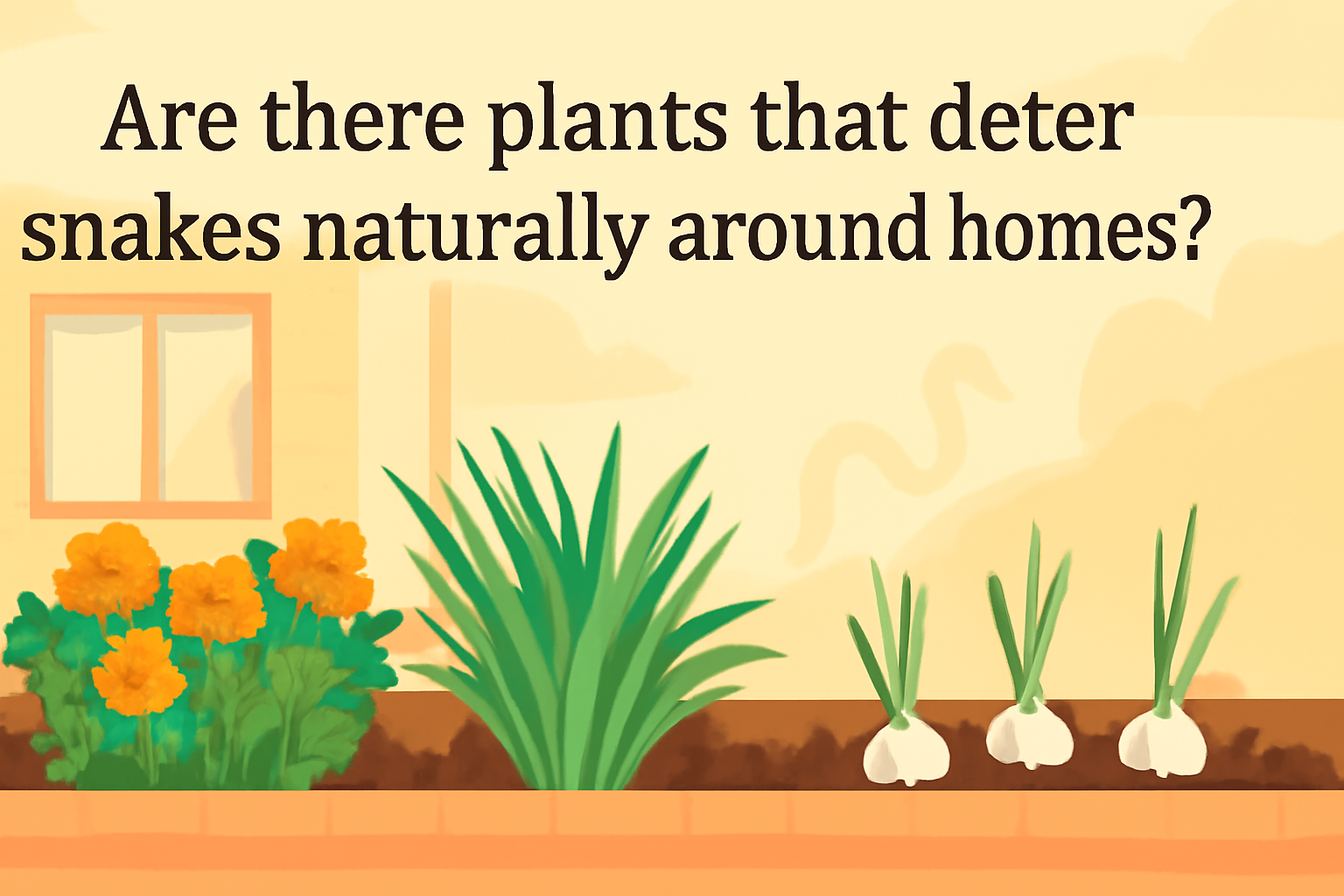
While no plant provides 100% guaranteed snake deterrence, certain aromatic plants like marigolds, lemongrass, and garlic may help reduce snake activity around your home when used as part of a comprehensive natural pest control strategy. These plants work through essential oils and strong scents that potentially make areas less appealing to snakes. During my decade working with homeowners on natural pest management, I’ve observed that plant-based deterrents show the most promise when combined with proper habitat modification and physical barriers.
What Does Science Actually Say About Snake-Repelling Plants?
Before exploring specific plants, it’s crucial to understand what scientific research reveals about plant-based snake deterrence. Current peer-reviewed studies on plant effectiveness remain limited, with most evidence being anecdotal rather than controlled scientific research.
According to wildlife biologists at University of Georgia Extension, snakes primarily rely on chemical detection through their vomeronasal organ rather than traditional smell. This means plants must produce specific volatile organic compounds that genuinely interfere with snake behavior patterns. Most commercial snake repellent studies focus on synthetic compounds rather than plant-derived materials.
The scent-based deterrence theory suggests that strong aromatic compounds may mask prey scents or create unfavorable environmental conditions. However, research published in the Journal of Chemical Ecology shows that snake responses to botanical compounds vary significantly by species and environmental conditions.
| Photo | Popular Pest Repellents | Price |
|---|---|---|

|
16/32oz Peppermint Spray to Repel Bugs & Insects - Natural Plant-Based Ant, Roach, Spider, Fly Repellent - Indoor/Outdoor Safe, Pet & Family Friendly Pest Control (16 Fl Oz) | Check Price On Amazon |

|
Nature's Dome Pest Control Starter Kit – Makes 3 Bottles (16 oz Each) – Eco-Friendly, Plant-Based Formula for Ant, Roach, Spider, Fly, Flea & Insect Control – Child & Pet Safe for Indoor/Outdoor Use | Check Price On Amazon |

|
(2025 Upgraded) Ultrasonic Insect & Pest Indoor Repeller – Stronger Driving Force, Plug-in Control Electronic Repellent for Roach, Mouse, Rodent, Bugs, Spider, Mice, Ant, 2 Mode Switching (6 Pack) | Check Price On Amazon |

|
LONYEON 8L Electric ULV Cold Fogger Machine with Backpack Mist Atomizer, Adjustable Flow Rate, Large Area Spraying for Home Indoor Outdoor | Check Price On Amazon |

|
Pest Control, Mouse Repellant Pouches, 10 Pack, Mice Repellent Indoor, Peppermint Oil for Rodents & Cucarachas & Spiders & Snakes, Safe Effective Rodent Repellent for Car Engines, RV, Home Use | Check Price On Amazon |
Realistic effectiveness expectations place plant-based deterrents in the 15-30% success rate range based on university extension reports. This limited effectiveness means plants work better as habitat modification tools than active repellents, primarily by altering the immediate environment rather than directly repelling snakes.
How Snake-Repelling Plants Actually Work (The Mechanisms)
Plant-based snake deterrence operates through several potential mechanisms, though their effectiveness varies significantly. Understanding these mechanisms helps explain why certain plants appear in traditional snake deterrence practices.
Essential oil compounds like citronellol, geraniol, and sulfur-based organics create volatile aromatic barriers that may interfere with snake chemical detection. According to research from Texas A&M AgriLife Extension, these compounds must reach sufficient concentration levels (typically 2-5% by volume) to potentially influence snake behavior.
Scent masking represents another mechanism where strong plant odors obscure prey animal scents that attract snakes. Root system changes to soil structure can also reduce burrowing prey habitat, indirectly making areas less attractive to hunting snakes. Seasonal variations significantly impact plant effectiveness, with peak essential oil production occurring during active growing periods from late spring through early fall.
The 11 Most Effective Snake-Repelling Plants for Home Gardens
Scientific evidence and traditional use patterns identify eleven plants most commonly cited for potential snake deterrence. Each plant offers different growing requirements, maintenance needs, and theoretical effectiveness levels based on their active compounds.
Marigolds (Tagetes Species): The Most Popular Choice
Marigolds (Tagetes patula and Tagetes erecta) contain thiophenes and pyrethrin compounds that produce their characteristic pungent scent. French marigolds show higher essential oil concentrations than African varieties, with peak production during 70-85°F temperature ranges.
Plant marigolds 18-24 inches apart in full sun locations with well-drained soil for optimal essential oil production. According to Purdue University Extension research, effectiveness evidence remains largely anecdotal, though the plants do modify local soil chemistry through root exudates. Best placement involves continuous borders 3-6 feet from home foundations, replacing plants every 90-120 days during growing season for consistent aromatic output.
Lemongrass (Cymbopogon citratus): Citrus-Scented Deterrent
Lemongrass produces citral and geraniol essential oils at concentrations up to 80% in leaf tissue. These compounds create strong citrus aromatics that theoretically interfere with snake chemical detection systems.
Growing requirements include full sun exposure, temperatures above 65°F, and consistent moisture without waterlogging. Plants require 36-48 inch spacing due to mature clump sizes reaching 3-4 feet diameter. Maintenance needs include monthly harvesting of outer leaves to maintain oil production and winter protection in zones below 9. Limited field studies suggest effectiveness may be higher against smaller snake species that rely heavily on ground-level chemical detection.
Garlic and Onions (Allium Species): Sulfur-Rich Bulbs
Allium species produce allicin and other sulfur compounds that create persistent soil-based aromatics. Hardneck garlic varieties (Allium sativum ophioscorodon) show higher sulfur content than softneck types, with concentrations peaking 4-6 weeks after planting.
Plant cloves 4-6 inches deep in fall for spring emergence, spacing bulbs 6 inches apart in continuous rows. According to Cornell Cooperative Extension, soil preparation requires amendment with compost to 8-inch depth for optimal bulb development. Harvest considerations versus deterrent goals create management decisions, as unharvested bulbs provide season-long sulfur compound release through root systems and decomposing outer scales.
West Indian Lemongrass: Tropical Alternative
West Indian lemongrass (Cymbopogon citratus) requires hardiness zones 9-11 for year-round outdoor cultivation. Plants reach 6-8 feet height with 4-5 foot spread, requiring significant landscape space allocation.
Essential oil concentration averages 1-2% by plant weight during peak growing season. Regional effectiveness variations correlate with humidity levels above 60% and consistent temperatures between 70-85°F. Winter care in temperate climates involves container growing with indoor storage, though plants lose effectiveness during dormancy periods when essential oil production declines by 70-80%.
Wormwood (Artemisia absinthium): Traditional Herb
Wormwood contains absinthin and santonin bitter compounds that create persistent aromatic profiles. Historical use in European folk medicine included snake deterrence, though controlled studies remain unavailable.
Growth habits include 3-4 foot height and aggressive spreading through root systems, requiring 48-inch spacing to prevent overcrowding. Safety considerations include toxicity to pets and children through ingestion, with symptoms including digestive upset and neurological effects. Legal considerations exist in some regions due to thujone content, particularly in areas with livestock grazing restrictions.
Society Garlic (Tulbaghia violacea): Ornamental Option
Society garlic combines ornamental value with mild garlic-scented foliage throughout the growing season. Purple tubular flowers bloom from June through September, providing continuous visual appeal beyond theoretical deterrent properties.
Drought tolerance and low maintenance requirements make this plant suitable for xeriscaping applications. Plants establish in poor soils and require minimal supplemental watering once established. Landscape design integration works well in perennial borders, though effectiveness compared to edible garlic appears significantly lower based on reduced sulfur compound concentrations (0.2-0.4% versus 1-2% in true garlic).
Pink Agapanthus: Flowering Deterrent
Pink agapanthus (Agapanthus praecox) produces globe-shaped flower clusters from July through August. Visual appeal includes 2-3 foot flower stalks above strap-like foliage clumps.
Root system requirements include well-drained soil to 18-inch depth to accommodate thick tuberous roots. Regional growing considerations limit outdoor cultivation to zones 7-10, with container growing required in colder climates. Limited effectiveness evidence exists for snake deterrence, making cost-benefit analysis favor ornamental value over pest control expectations.
Snakeroot (Various Species): Ironically Named Plant
Multiple plants share the snakeroot common name, including Ageratina altissima (white snakeroot) and Aristolochia serpentaria (Virginia snakeroot). Species identification requires careful attention to leaf shape, flower structure, and growth habits to avoid confusion.
Historical naming reflects traditional medicinal uses rather than actual snake deterrent properties. Growing requirements vary significantly by species, with white snakeroot preferring partial shade and moist soil, while Virginia snakeroot requires well-drained woodland conditions. Safety considerations include extreme toxicity of white snakeroot to humans and animals, with potentially fatal consequences from ingestion.
Mugwort (Artemisia vulgaris): Wild Alternative
Mugwort grows as both wild and cultivated varieties, with invasive potential concerns in many regions. Plants spread through underground rhizomes and wind-dispersed seeds, requiring containment strategies in managed landscapes.
Harvest involves cutting stems to 6-inch height in late summer for dried herb preparation. Traditional use documentation includes European folk practices for pest deterrence, though scientific validation remains absent. Legal status varies by region, with some areas classifying mugwort as noxious weed requiring eradication from agricultural properties.
Tobacco Plants (Nicotiana Species): Ornamental Varieties
Ornamental tobacco (Nicotiana alata and Nicotiana sylvestris) differs from commercial tobacco through lower nicotine content and fragrant evening blooms. Nicotine concentrations range from 0.5-2% compared to 3-5% in commercial varieties.
Annual growing requirements include seed starting indoors 10-12 weeks before last frost date. Height considerations range from 12-inch dwarf varieties to 6-foot tall species requiring staking support. Pet and child safety precautions include recognition that all plant parts contain toxic alkaloids, with symptoms of ingestion including nausea, vomiting, and respiratory distress.
Clove Basil: Aromatic Herb Option
Clove basil (Ocimum gratissimum) produces eugenol compounds creating distinctive clove scent profiles. Culinary uses include tea preparation and flavoring applications, providing dual-purpose value beyond theoretical pest deterrence.
Growing season extends from last frost through first fall frost, requiring replanting annually in temperate climates. Climate needs include consistent temperatures above 60°F and protection from strong winds that damage tender stems. Companion planting with other aromatic herbs like regular basil and oregano may enhance overall garden aromatics, though effectiveness compared to sweet basil for snake deterrence remains unproven.
How to Plant and Position Snake-Repelling Plants for Maximum Effectiveness
Proper placement and installation of snake-repelling plants significantly impacts their potential effectiveness. Strategic positioning creates aromatic barriers while maintaining plant health and garden aesthetics.
Creating Effective Plant Barriers Around Your Home
Optimal distance from house foundation ranges from 3-6 feet to allow plant mature size without creating hiding spots for snakes near structures. Plant spacing for continuous coverage requires overlapping aromatic zones, typically achieved through 18-30 inch spacing depending on plant mature spread.
Height considerations balance visibility for maintenance access with effectiveness, favoring plants in the 12-36 inch range for perimeter applications. Integration with existing landscaping involves selecting plants that complement established color schemes and growing conditions. Seasonal planting timing varies by region, with cool-season plants installed 4-6 weeks before last frost and warm-season plants after soil temperatures reach 65°F.
Soil Preparation and Planting Techniques
Soil testing determines pH levels and nutrient needs specific to chosen plant varieties, with most aromatic herbs preferring pH ranges between 6.0-7.5. Amendment requirements typically include compost incorporation to 8-12 inch depth for improved drainage and root development.
Drainage considerations prevent root rot in plants sensitive to waterlogged conditions, particularly Mediterranean herbs like wormwood and society garlic. Companion planting strategies involve grouping plants with similar water and nutrient needs while maximizing aromatic diversity. Mulching with organic materials maintains soil moisture while providing maintenance access paths between planted areas. I’ve found that proper soil preparation often determines long-term plant survival more than plant selection itself.
Maintenance Schedule for Year-Round Effectiveness
Spring preparation includes soil amendment renewal and replacement of annual varieties starting 2-3 weeks after last frost date. Summer maintenance involves monthly harvesting of aromatic foliage to stimulate essential oil production and prevent flowering in herb varieties grown primarily for foliage.
Fall cleanup requires removal of spent annual plants and protection preparation for marginal hardy perennials. Winter care for perennial varieties includes mulch application to 4-6 inch depth and protection from salt damage near driveways and sidewalks. Replacement timeline for annual plants involves succession planting every 8-12 weeks during growing season to maintain consistent aromatic coverage.
What Snakes Are Most Likely to Be Deterred by Plants?
Different snake species may respond differently to plant-based deterrents based on their hunting methods and habitat preferences. Understanding these behavioral differences helps set realistic expectations for plant-based deterrence strategies.
Common residential snake species including garter snakes, garden snakes, and rat snakes rely heavily on chemical detection for prey location. According to herpetologists at University of Florida, these species show greater potential responsiveness to aromatic deterrents compared to visual hunters. Venomous versus non-venomous response differences remain largely unstudied, though behavioral ecology suggests similar chemical detection mechanisms across most species.
Hunting behavior impact varies between scent hunters that track prey trails versus ambush predators that rely on motion detection. Regional snake populations influence deterrent plant selection, with northern species potentially showing different responses than southern populations due to prey base variations. Current research limitations prevent species-specific recommendations, highlighting the need for controlled studies comparing plant effectiveness across different snake populations.
Plants That May Actually Attract Snakes to Your Property
While focusing on deterrent plants, it’s equally important to avoid plants that may inadvertently attract snakes through habitat creation or prey animal encouragement. Understanding these attraction factors prevents counterproductive landscaping choices.
Dense ground cover plants like English ivy, pachysandra, and vinca create ideal snake hiding spots with consistent moisture and temperature regulation. Plants that attract rodents include fruit trees with fallen fruit, sunflowers and other seed-producing plants, and berry bushes that provide food sources for snake prey animals. Water-loving plants such as hostas, ferns, and moisture-loving perennials create humid microclimates that attract amphibians and insects that snakes hunt.
Plants providing excessive shelter include ornamental grasses over 18 inches tall, shrubs with dense branching near ground level, and spreading perennials that create continuous cover. Garden features combining with certain plants to create snake habitat include rock walls near moisture-loving plants, mulched areas under fruit trees, and compost piles surrounded by dense vegetation. My experience shows that removing attractive habitat often proves more effective than adding deterrent plants.
Cost Analysis: Snake-Repelling Plants vs. Other Natural Deterrents
Understanding the financial investment and long-term costs helps homeowners make informed decisions about natural snake deterrence. Comprehensive cost analysis includes initial investment, maintenance expenses, and effectiveness comparisons.
| Method | Initial Cost | Annual Maintenance | Effectiveness Rating |
|---|---|---|---|
| Snake-repelling plants | $150-400 for 100 sq ft | $50-150 replacement/care | 15-30% success rate |
| Essential oil sprays | $50-100 initial supply | $200-400 monthly applications | 20-35% success rate |
| Physical barriers | $500-1200 installation | $50-100 repairs | 70-85% success rate |
Initial plant purchase costs range from $5-15 per plant depending on size and variety, with installation adding $2-5 per plant for soil preparation and planting. Annual maintenance expenses include plant replacement for annuals, fertilization for perennials, and irrigation system operation costs averaging $50-150 per 100 square feet treated area. Comparison with commercial repellent granules shows similar initial costs but higher ongoing expenses for chemical products requiring monthly reapplication.
Long-term effectiveness analysis favors physical barriers and exclusion methods over plant-based approaches when measured by cost per successful deterrent incident. Professional consultation fees range from $200-500 for comprehensive property assessment, often revealing more cost-effective solutions than plant-based approaches alone.
Realistic Expectations: What Snake-Repelling Plants Can and Cannot Do
Setting realistic expectations prevents disappointment and helps homeowners develop effective, multi-layered snake deterrence strategies. Understanding both capabilities and limitations guides appropriate investment decisions.
What Plants Can Realistically Achieve
Habitat modification benefits include altering local microclimate conditions and soil chemistry that may influence small prey animal populations. Plants provide psychological comfort for homeowners through active participation in pest management, creating sense of control over property conditions.
Potential reduction in snake-attracting prey occurs through altered ground cover and moisture patterns that affect insect and small mammal populations. Integration with comprehensive pest control strategies adds aromatic elements to broader natural management approaches without relying solely on plant effectiveness. Aesthetic improvements to property include enhanced landscaping value and seasonal color that provides benefits beyond theoretical snake deterrence.
Limitations and When to Seek Additional Methods
Lack of scientific guarantees means plant-based deterrents should never be considered primary snake control methods for serious infestations. Seasonal effectiveness variations correlate with plant dormancy periods, weather conditions, and essential oil production cycles.
Species-specific response differences prevent universal recommendations, as individual snake behavior varies significantly even within same species populations. Professional help becomes necessary when dealing with venomous species, large snake populations, or when indoor snake problems require immediate resolution. Complementary deterrent methods including physical exclusion, habitat modification, and professional pest control provide more reliable results than plant-based approaches alone.
Integrating Snake-Repelling Plants with Other Natural Deterrent Methods
The most effective natural snake deterrence combines multiple methods, with plants serving as one component of a broader strategy. Integrated approaches address different aspects of snake behavior and habitat preferences simultaneously.
Habitat modification beyond plants includes removing brush piles, sealing foundation cracks, and eliminating water sources that attract prey animals. Physical barriers such as hardware cloth buried 6 inches deep and extending 30 inches above ground provide mechanical exclusion more reliable than aromatic deterrents. Essential oil applications using concentrated plant extracts offer higher potency than living plants, though requiring frequent reapplication every 2-3 weeks.
Beneficial predator encouragement involves attracting hawks, owls, and other natural snake predators through appropriate habitat creation. Property maintenance strategies include regular debris removal, grass height management below 6 inches, and elimination of rodent food sources. Seasonal strategy adjustments account for snake activity patterns, with peak deterrent efforts during spring emergence and fall preparation periods when snake movement increases significantly.
Safety Considerations When Using Snake-Repelling Plants
While plants offer a natural approach to snake deterrence, several safety considerations must be addressed for homes with children and pets. Proper plant selection and handling practices prevent accidental poisoning and allergic reactions.
Plant toxicity to children and pets varies significantly among species, with wormwood and tobacco plants presenting highest risk levels. Skin irritation potential affects sensitive individuals handling plants like marigolds and garlic, requiring glove use during maintenance activities. Proper handling during planting includes wearing protective clothing and washing hands thoroughly after contact with plant materials.
Plant identification skills prevent confusion with dangerous look-alikes, particularly important with snakeroot species where misidentification could result in severe poisoning. First aid information for plant-related incidents should include poison control center contact information (1-800-222-1222) and specific symptom recognition for each plant type grown on property.
Regional Considerations: Climate and Snake Species Variations
Plant effectiveness and selection requirements vary significantly across different geographic regions due to climate conditions and local snake populations. Regional adaptation ensures plant survival and maximizes potential deterrent benefits.
Northern Temperate Regions
Cold-hardy plant options include garlic, society garlic, and certain marigold varieties that tolerate temperatures to 25°F. Short growing season considerations require focus on quick-establishing annuals and early-season perennial growth for maximum aromatic period coverage.
Common northern snake species such as garter snakes and milk snakes show seasonal activity patterns concentrated in 4-5 month periods, allowing targeted planting strategies. Winter maintenance requirements include protection for marginally hardy perennials and indoor storage for container-grown tropical varieties like lemongrass.
Southern and Subtropical Areas
Heat-tolerant plant selections include West Indian lemongrass, clove basil, and heat-adapted marigold varieties that maintain essential oil production during 90°F+ temperatures. Year-round growing opportunities allow continuous aromatic coverage through succession planting and perennial species management.
Venomous snake considerations become more critical in southern regions, requiring comprehensive integrated approaches rather than reliance on plant-based methods alone. Hurricane and storm preparation includes securing container plants and planning for replacement of damaged plantings in post-storm recovery.
Arid and Desert Climates
Drought-tolerant plant options focus on society garlic, certain wormwood species, and adapted marigold varieties requiring minimal supplemental irrigation. Water conservation considerations favor plants adapted to natural precipitation patterns rather than high-maintenance aromatic herbs.
Desert snake species behavior differs significantly from temperate populations, with many species showing primarily nocturnal activity patterns that may reduce plant deterrent effectiveness. Extreme temperature plant survival requires protection from both freezing winter temperatures and excessive summer heat above 110°F that damages essential oil production.
Common Mistakes When Using Plants for Snake Deterrence
Avoiding these common mistakes increases the potential effectiveness of plant-based snake deterrence while preventing wasted time and resources. Learning from typical errors saves money and prevents counterproductive landscaping choices.
Overestimating plant effectiveness leads to disappointment when snakes continue appearing despite extensive aromatic plantings. Realistic expectations place plants as habitat modification tools rather than guaranteed deterrents. Improper plant placement includes locating aromatic species too close to house foundations, creating snake hiding spots, or too far from target areas for aromatic effectiveness.
Neglecting maintenance requirements results in reduced essential oil production and plant vigor decline that eliminates theoretical deterrent properties. Choosing wrong plants for climate conditions wastes resources on species that cannot survive local weather extremes or growing conditions. Ignoring complementary deterrent methods leaves gaps in coverage that allow continued snake access through non-aromatic pathways. Creating unintended snake habitat through dense plantings, excessive mulch, or water feature additions often counteracts deterrent plant benefits completely.
FAQ: Snake-Repelling Plants for Natural Pest Control
Do marigolds actually repel snakes or is this just a myth?
Current research provides limited scientific evidence supporting marigold effectiveness for snake deterrence. Anecdotal reports suggest some success, though controlled studies remain unavailable. Thiophene compounds in marigolds may influence local soil chemistry, but realistic effectiveness assessment places success rates below 25%. Alternative explanations include coincidental snake activity reduction due to seasonal factors rather than plant-based deterrence.
What plants have the strongest scientific evidence for deterring snakes?
Research limitations prevent definitive plant rankings for snake deterrence effectiveness. Garlic and onion species show most promising results based on sulfur compound studies, though evidence remains largely theoretical. Essential oil research suggests lemongrass and clove basil compounds may interfere with snake chemical detection, but field studies comparing plant effectiveness across species remain needed for conclusive recommendations.
How close to the house should I plant snake-repelling plants for maximum effectiveness?
Optimal distance recommendations range from 3-6 feet from house foundations to create aromatic barriers without providing snake hiding spots near structures. Plant mature size factors require consideration of species spread to prevent overcrowding. Maintenance access requirements favor spacing that allows equipment and foot traffic for regular care activities. Foundation considerations include avoiding plant locations that could damage structures through root systems or create moisture retention against building materials.
Are there specific snake species that are more deterred by certain plants?
Research gaps prevent species-specific plant deterrent recommendations due to limited controlled studies comparing snake responses across different populations. Behavioral differences between visual hunters versus scent-tracking species suggest potential variation in plant deterrent effectiveness. Hunting method considerations indicate ground-level chemical detection species may show greater responsiveness to aromatic plants. Regional species variations require local herpetologist consultation for population-specific guidance rather than generalized plant recommendations.
Do snake-repelling plants work in all climates and seasons?
Seasonal effectiveness variations correlate directly with plant essential oil production cycles, typically peaking during active growing periods from late spring through early fall. Climate impact on plant vigor affects aromatic compound concentrations, with stressed plants producing reduced deterrent potential. Snake activity pattern changes during dormancy periods reduce interaction opportunities regardless of plant effectiveness levels. Winter dormancy considerations eliminate deterrent benefits from annual species and significantly reduce perennial plant aromatic output.
How long does it take for newly planted snake deterrent plants to become effective?
Plant establishment timeframes range from 4-8 weeks for annuals to reach peak essential oil production capacity. Seasonal planting timing impacts effectiveness development, with spring plantings achieving maximum aromatic output by mid-summer growing periods. Essential oil production development varies by species, with herbs like basil reaching peak within 6 weeks while perennials like society garlic require full growing season establishment. Realistic expectation setting indicates minimal deterrent potential during initial establishment periods regardless of plant variety selected.
Can I use essential oils from these plants instead of growing them?
Essential oil effectiveness comparison shows concentrated extracts provide higher potency than living plants but require frequent reapplication every 2-3 weeks. Application methods include spraying diluted solutions or soaking cotton balls placed strategically around target areas. Cost comparison analysis reveals higher long-term expenses for oil applications versus established perennial plantings. Convenience benefits favor essential oils for immediate application, while living plants provide sustained release over extended periods.
What’s the most cost-effective way to create a snake-deterring plant barrier?
Seed starting provides lowest initial costs at $20-40 for 100 square feet coverage compared to $150-400 for transplants. Perennial species offer better long-term investment value than annual varieties requiring yearly replacement costs. DIY installation saves $100-200 compared to professional landscape installation for basic aromatic barriers. Long-term maintenance costs favor drought-tolerant perennials over high-maintenance annual herbs requiring frequent replacement and intensive care.
Are there any snake-repelling plants that are also safe for pets and children?
Marigolds and society garlic present lowest toxicity risks among commonly recommended snake deterrent plants. Lemongrass species generally show minimal toxicity concerns though may cause mild digestive upset if consumed in large quantities. Plants to avoid include wormwood, tobacco varieties, and snakeroot species that contain potentially dangerous compounds. Safe handling practices include supervising children around all plantings and consulting veterinarians about specific plant safety for individual pets with known sensitivities.
What should I do if snake-repelling plants aren’t working in my yard?
Alternative natural methods include essential oil applications, physical habitat modification, and removal of snake-attracting features like brush piles and water sources. Professional consultation provides species identification and customized management strategies based on specific property conditions. Habitat modification strategies often prove more effective than aromatic deterrents, focusing on eliminating food sources and hiding spots. Realistic reassessment may indicate need for integrated pest management approaches combining multiple deterrent methods rather than relying solely on plant-based solutions.
Snake-repelling plants offer a natural approach to property management, though realistic expectations remain essential for success. While scientific evidence supporting plant effectiveness remains limited, aromatic species like marigolds, garlic, and lemongrass may provide modest deterrent benefits when properly installed and maintained. The most effective strategies combine plant-based approaches with comprehensive habitat modification, physical barriers, and professional guidance when necessary. Remember that plants serve best as supplementary tools in integrated pest management rather than standalone solutions for serious snake concerns.
