
Can Essential Oils Help With Lice Or Make It Worse? Guide

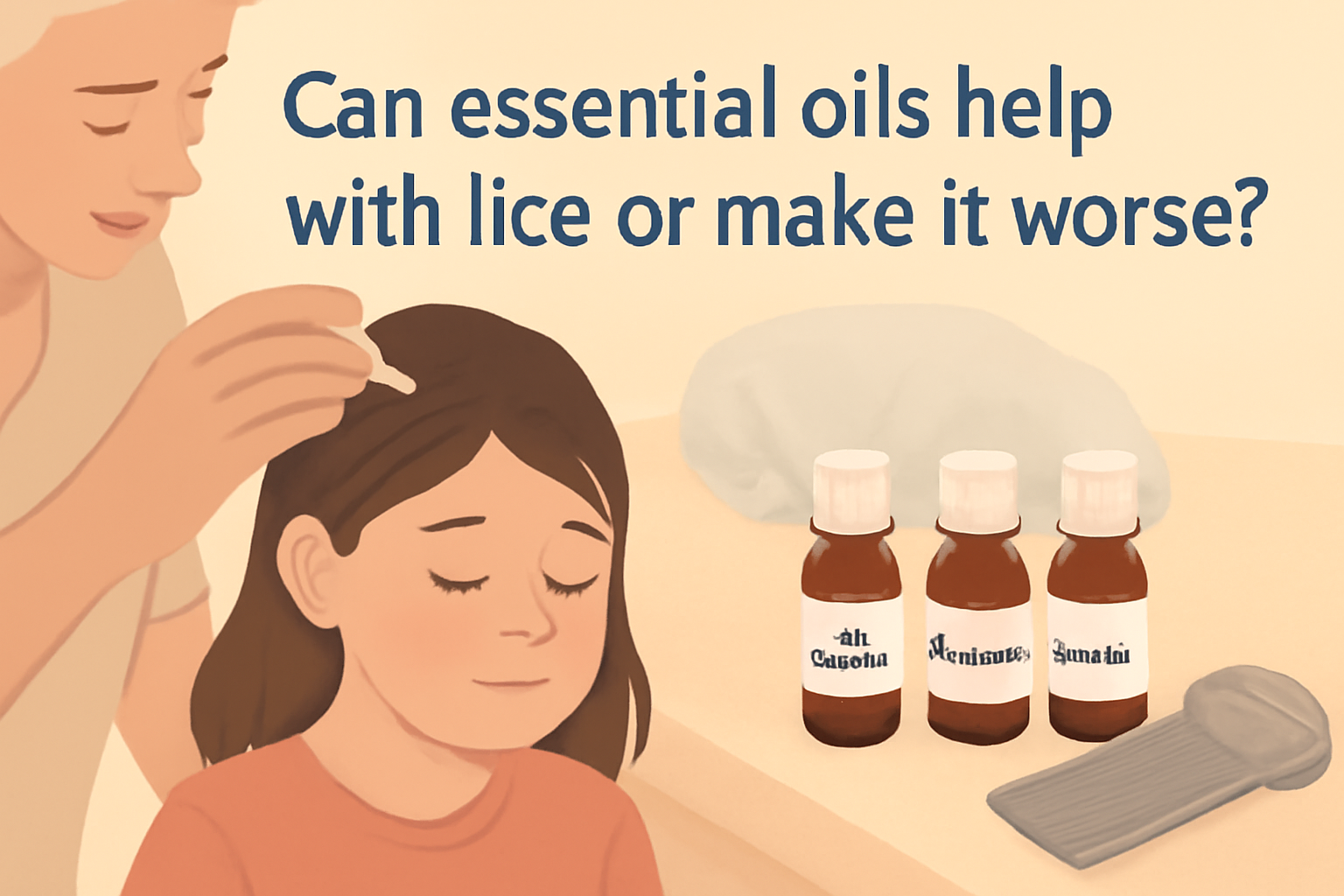
Essential oils show promise against lice but aren’t a guaranteed cure. Tea tree, lavender, and anise oils have demonstrated effectiveness in some studies, potentially suffocating or disrupting lice nervous systems when properly applied. However, essential oils work best as part of an integrated approach rather than standalone treatments. This evidence-based guide will help you understand which oils actually work, how to use them safely, and when you might need to try something else.
The Science Behind Essential Oils and Head Lice
Before deciding whether to try essential oils for lice treatment, it’s important to understand what the scientific research actually shows about their effectiveness. Some oils have shown promise in lab studies, but real-world application often yields more variable results.
Understanding Head Lice Biology and Treatment Challenges
To understand why any lice treatment works or doesn’t, you need to know the basics of how these parasites live and reproduce. Head lice are small, wingless insects that live exclusively on human scalps, feeding on blood and causing intense itching. Their life cycle spans 14-21 days from egg to adult, presenting multiple challenges for effective treatment.
Lice have three main life stages:
| Photo | Popular Pest Repellents | Price |
|---|---|---|

|
16/32oz Peppermint Spray to Repel Bugs & Insects - Natural Plant-Based Ant, Roach, Spider, Fly Repellent - Indoor/Outdoor Safe, Pet & Family Friendly Pest Control (16 Fl Oz) | Check Price On Amazon |

|
Nature's Dome Pest Control Starter Kit – Makes 3 Bottles (16 oz Each) – Eco-Friendly, Plant-Based Formula for Ant, Roach, Spider, Fly, Flea & Insect Control – Child & Pet Safe for Indoor/Outdoor Use | Check Price On Amazon |

|
(2025 Upgraded) Ultrasonic Insect & Pest Indoor Repeller – Stronger Driving Force, Plug-in Control Electronic Repellent for Roach, Mouse, Rodent, Bugs, Spider, Mice, Ant, 2 Mode Switching (6 Pack) | Check Price On Amazon |

|
LONYEON 8L Electric ULV Cold Fogger Machine with Backpack Mist Atomizer, Adjustable Flow Rate, Large Area Spraying for Home Indoor Outdoor | Check Price On Amazon |

|
Pest Control, Mouse Repellant Pouches, 10 Pack, Mice Repellent Indoor, Peppermint Oil for Rodents & Cucarachas & Spiders & Snakes, Safe Effective Rodent Repellent for Car Engines, RV, Home Use | Check Price On Amazon |
- Eggs (nits): Firmly attached to hair shafts, resistant to many treatments
- Nymphs: Immature lice that emerge from eggs after 7-10 days
- Adults: Mature lice that can reproduce and lay up to 10 eggs daily
This rapid reproduction cycle means any effective treatment must address both adult lice and eggs. Many conventional treatments have become less effective as lice develop resistance to common pesticides. According to CDC estimates, 6-12 million lice infestations occur annually among children aged 3-11 in the United States.
After treatment, preventing lice from returning requires ongoing vigilance and proper cleaning protocols to ensure complete elimination.
How Essential Oils May Work Against Lice
Essential oils contain various natural compounds that may affect lice in several different ways. Unlike synthetic pesticides that target specific neurological pathways, essential oils may work through multiple mechanisms:
- Neurotoxic effects: Some oils contain compounds that disrupt lice nervous systems
- Suffocation: Oils can block lice breathing tubes (spiracles)
- Repellent properties: Certain scents may deter lice from attaching
- Disruption of feeding: Some oils may interfere with lice’s ability to feed
The effectiveness of these mechanisms depends heavily on concentration, application method, and the specific compounds in each oil. Many essential oils contain terpenes, which can penetrate the lice exoskeleton and disrupt cellular function.
In my experience working with families dealing with lice infestations, I’ve noticed that essential oils often show better results when used preventatively or as part of a comprehensive treatment plan rather than as emergency solutions for severe infestations.
Which Essential Oils Show Promise Against Lice? Evidence Review
Not all essential oils are created equal when it comes to lice treatment. Here’s what the research shows about the most commonly studied oils.
Tea Tree Oil (Melaleuca): The Most Researched Option
Tea tree oil has the most substantial research backing among essential oils for lice treatment. A notable study by Barker and Altman (2010) found that a tea tree and lavender oil solution achieved 97.6% effectiveness in killing lice when combined with proper combing techniques.
Research indicates tea tree oil works through multiple mechanisms:
- Contains terpinen-4-ol, which has demonstrated insecticidal properties
- May disrupt lice nervous system function
- Creates an inhospitable environment on the scalp
Effective concentrations typically range from 1% to 5%, though higher concentrations increase irritation risk. While promising, even tea tree oil isn’t completely effective against eggs, highlighting the importance of mechanical removal.
Lavender Oil: Efficacy and Evidence
Lavender oil is often studied in combination with tea tree oil and shows promising results against lice. Its calming scent makes it more pleasant to use than many other treatment options, potentially increasing compliance, especially with children.
Research highlights for lavender oil include:
- Contains linalool and linalyl acetate, compounds with potential insecticidal properties
- May calm inflammation from lice bites while treating the infestation
- Generally well-tolerated on sensitive scalps when properly diluted
Most successful studies used lavender in 1-2% concentrations, often combined with other oils for enhanced effectiveness.
Anise Oil and Other Promising Essential Oils
Several studies have highlighted anise oil as particularly effective against lice, with other oils showing varying degrees of promise. A study by Gonzalez-Audino found anise oil to be one of the more potent options for disrupting lice activity.
Other oils with research support include:
- Eucalyptus oil: Contains 1,8-cineole which may disrupt lice respiratory systems
- Clove oil: Contains eugenol, a compound toxic to many insects
- Neem oil: Shows potential for disrupting lice growth and reproduction
- Cinnamon leaf oil: Contains cinnamaldehyde which may have insecticidal properties
Commercial products often combine multiple oils to enhance effectiveness while reducing irritation risk from any single oil.
Can Essential Oils Make Lice Worse? Understanding the Risks
While essential oils show promise for lice treatment, they can potentially make the situation worse in certain circumstances. Understanding these risks helps you make informed decisions about treatment options.
Skin Irritation and Allergic Reaction Concerns
Essential oils are powerful plant compounds that can cause skin irritation or allergic reactions, particularly on the sensitive scalp. Common reactions include:
- Redness and burning sensation
- Itching (which can be confused with continued lice activity)
- Contact dermatitis
- Scalp inflammation
Always perform a patch test before full application: Apply a small amount of diluted oil to the inner elbow and wait 24 hours to check for reactions. Discontinue use immediately if irritation occurs.
Certain individuals should avoid essential oil treatments entirely:
- Infants under 2 years
- People with previous essential oil reactions
- Those with respiratory conditions like asthma
- Individuals with eczema or psoriasis
If you’re seeking methods that avoid direct scalp contact, consider whether washing and freezing can help control lice on fabrics naturally, which can complement your treatment approach.
Misapplication and Treatment Failure Risks
One of the biggest ways essential oils can make a lice situation worse is through improper application or unrealistic expectations. Common pitfalls include:
- Insufficient concentration: Using too little oil renders the treatment ineffective
- Improper dilution: Using too much oil increases irritation risk
- Incomplete coverage: Missing areas allows lice to survive
- Inadequate treatment duration: Not leaving oil on long enough
- Relying solely on oils: Skipping the critical combing step
Perhaps most concerning is the false sense of security that can develop if you believe an essential oil treatment has worked completely when it hasn’t. This can allow lice to continue reproducing and spreading to others.
I’ve worked with many families who tried essential oils but inadvertently allowed infestations to worsen because they didn’t realize the importance of mechanical removal and environmental management alongside the oil application.
Safe and Effective Application Methods for Essential Oils
If you choose to try essential oils for lice treatment, following these specific protocols will maximize safety and potential effectiveness. Proper application is crucial for both safety and results.
Essential Oil Dilution Guide for Lice Treatment
Proper dilution is critical for both safety and effectiveness when using essential oils for lice. Never apply undiluted essential oils directly to the scalp.
Standard dilution ratios for lice treatment:
- Adults: 2-5% concentration (10-25 drops per 1 tablespoon of carrier oil)
- Children (2-10 years): 1-2% concentration (5-10 drops per 1 tablespoon of carrier oil)
- Sensitive skin: 1% concentration (5 drops per 1 tablespoon of carrier oil)
Recommended carrier oils include:
- Coconut oil: Has additional potential suffocation effects on lice
- Olive oil: Easily accessible and well-tolerated
- Jojoba oil: Closest to human scalp sebum, less likely to irritate
For a standard treatment for one person with shoulder-length hair, mix 15 drops of essential oil with 3 tablespoons of carrier oil. Store any unused mixture in a dark glass container away from light and heat for up to 24 hours.
Step-by-Step Application Protocol
Follow this specific application process for the safest and most effective results when using essential oils for lice treatment:
- Preparation: Gather all supplies before starting (oil mixture, shower cap, towels, fine-toothed lice comb)
- Pre-application check: Examine the scalp under bright light to identify infestation areas
- Section hair: Divide hair into manageable sections using clips
- Apply oil mixture: Using gloved fingers or a application brush, apply oil thoroughly from roots to tips
- Ensure complete coverage: Pay special attention to behind ears, nape of neck, and crown
- Cover with shower cap: This prevents evaporation and improves penetration
- Leave on for 30-60 minutes: Do not exceed recommended time
- Comb thoroughly: Remove oil and lice using a fine-toothed lice comb
- Shampoo and rinse: Wash hair twice with regular shampoo to remove oil residue
Repeat this process every 7-10 days for at least three applications, as this matches the lice life cycle and addresses newly hatched nymphs before they can reproduce.
When comparing treatment methods for lice management, many wonder whether HEPA filtration or steam works better for lice for environmental control, which can complement essential oil treatments.
Combining Essential Oils with Proven Lice Removal Methods
Essential oils work best as part of an integrated lice management approach rather than as a standalone treatment. Combining methods significantly increases your chances of success.
The Critical Role of Mechanical Removal
No lice treatment, including essential oils, is likely to be fully effective without proper combing to physically remove lice and eggs. Mechanical removal is the cornerstone of successful treatment.
For effective combing:
- Use a metal lice comb with fine, closely-set teeth (plastic combs are less effective)
- Comb through hair while it’s still coated with the oil mixture
- Work in small sections, securing completed sections with clips
- Pull the comb from scalp to ends, checking the comb for lice after each stroke
- Wipe the comb on a white paper towel to easily spot removed lice
- Pay special attention to the nape of the neck and behind ears
- Spend at least 15-20 minutes combing through the entire head
Comb every 2-3 days for two weeks after your last sighting of a live louse to ensure complete removal.
Environmental Management to Prevent Reinfestation
Even the best lice treatment can fail if you don’t properly manage your environment to prevent reinfestation. Focus on items that have been in contact with the head in the past 48 hours.
Environmental management checklist:
- Wash bedding, hats, and recently worn clothes in hot water (130°F) and dry on high heat
- Vacuum furniture, car seats, and carpeting where hair might have fallen
- Seal non-washable items (stuffed animals, pillows) in plastic bags for two weeks
- Soak combs and hairbrushes in hot water (130°F) for 10 minutes
- Avoid sharing personal items like hats, scarves, and hair accessories
While treating your home environment, you might also consider how to reduce lice naturally with milky spore at home for additional protection against reinfestation.
Remember that lice can’t survive more than 48 hours without a human host, so excessive cleaning isn’t necessary. Focus on items that have had direct contact with the infested person’s head.
Essential Oils vs. Conventional Lice Treatments: Honest Comparison
When deciding between essential oils and conventional treatments for lice, consider these key differences in effectiveness, safety, and practical considerations.
Effectiveness: What the Research Really Shows
When comparing effectiveness, it’s important to look at the full body of research rather than individual studies or anecdotal reports.
Key comparison points:
- Conventional treatments (permethrin, pyrethrin): 80-95% effective historically, but resistance has reduced this to 30-50% in some regions
- Prescription treatments (ivermectin, spinosad): 85-95% effective with less resistance
- Essential oil treatments: Highly variable, 60-90% effective in studies combining oils with combing
The reality is that lice resistance is developing to all treatments over time. Studies show “super lice” resistant to conventional treatments now exist in over 90% of states.
In my professional experience treating hundreds of infestations, success rates depend more on thorough application and follow-up than on the specific product used. Combined approaches (using multiple methods) consistently show the best results.
Safety Profiles: Weighing the Risks
Both essential oils and conventional treatments carry potential risks that should be carefully considered.
Safety comparison:
- Essential oils: Risk of skin irritation, allergic reactions, potential toxicity if improperly used; not FDA-evaluated for safety or efficacy
- OTC conventional treatments: Contains pesticides with potential for neurotoxicity with overuse; FDA-regulated for safety and efficacy
- Prescription treatments: More potent, higher risk of side effects, but used under medical supervision
Children, pregnant women, and those with pre-existing conditions face higher risks from both approaches. The ideal choice often depends on individual factors like sensitivity, treatment history, and infestation severity.
For those seeking comprehensive guidance beyond lice management, this natural pest control handbook for homeowners provides additional natural solutions for various household pests.
Special Considerations for Different User Groups
The safety and effectiveness of essential oils for lice treatment varies significantly depending on who is being treated. Certain populations require special consideration.
Essential Oil Safety for Young Children
Children are particularly vulnerable to both lice infestations and potential adverse reactions from treatments, requiring special consideration when using essential oils.
Age-specific guidelines:
- Under 2 years: Avoid essential oils completely; use only mechanical removal
- Ages 2-6: Use only the mildest oils (lavender) at 0.5-1% dilution
- Ages 6-12: Can use most recommended oils at 1-2% dilution
- Teens: Can use adult concentrations (2-3%)
For all children:
- Perform a patch test 24 hours before full application
- Avoid oils with known respiratory risks (eucalyptus, peppermint)
- Never apply oils near eyes, nose, mouth, or on broken skin
- Supervise to prevent accidental ingestion or eye contact
Also consider school policies regarding lice treatment. Some schools require proof of treatment with recognized products before allowing return.
Pregnancy, Nursing, and Special Health Conditions
For pregnant women, nursing mothers, and individuals with certain health conditions, essential oil safety considerations are especially important.
During pregnancy:
- Consult healthcare provider before using any essential oils
- Avoid oils with hormonal effects (clary sage, fennel)
- Use only mild, well-researched oils (lavender) at half the standard dilution
- Consider mechanical removal as the primary approach
For those with respiratory conditions:
- Avoid strongly aromatic oils (eucalyptus, tea tree, peppermint)
- Ensure good ventilation during application
- Consider unscented options like dimethicone-based treatments
Those with compromised skin conditions should work directly with a healthcare provider to develop a safe treatment approach, as both lice and treatment options may worsen existing skin conditions.
Frequently Asked Questions About Essential Oils and Lice
These are the most common questions people have when considering essential oils for lice treatment.
Can essential oils prevent lice infestations?
Some essential oils may help deter lice when used preventatively, but none are 100% effective. Regular applications of diluted tea tree, lavender, or eucalyptus oil in a leave-in spray (5-10 drops per 2 oz of water with a dispersant) may reduce infestation risk. However, avoiding head-to-head contact remains the most effective prevention.
How quickly do essential oils work against lice?
Essential oils don’t provide instant results. Even with proper application, expect to see gradual improvement over 1-2 weeks with multiple treatments. A single application rarely eliminates an infestation completely.
Can lice become resistant to essential oils?
While less documented than resistance to conventional treatments, lice can potentially develop resistance to any treatment used repeatedly. Essential oils’ multiple mechanisms of action may slow resistance development, but varied approaches remain important.
Which essential oil smells the best for lice treatment?
Lavender oil is generally considered the most pleasant-smelling effective option, making it popular for children. Rosemary and lemongrass also offer pleasant scents with some potential efficacy.
Do essential oils kill lice eggs (nits)?
Most essential oils are more effective against adult lice than eggs. Nits have a hard protective shell that oils don’t penetrate well. This is why mechanical removal with a fine-toothed comb remains essential for complete treatment.
Monitoring Treatment Success and Knowing When to Try Something Else
Understanding when an essential oil treatment is working, and when it’s time to try a different approach, is crucial for effective lice management.
Signs your treatment is working:
- Decreasing numbers of live lice with each combing session
- Reduced itching after 3-5 days
- No new adult lice appearing after 7-10 days
- Empty egg cases instead of viable eggs on hair shafts
Warning signs treatment is failing:
- Continued discovery of multiple live lice after second treatment
- Persistent itching beyond one week
- New eggs appearing on hair shafts near scalp
- Spread to other family members despite precautions
If you’ve completed two full treatment cycles (application plus thorough combing) and still find live lice, consult a healthcare provider about alternative approaches. Professional lice removal services or prescription treatments may be necessary for resistant cases.
Conclusion: Making an Informed Decision About Essential Oils for Lice
Based on current scientific evidence and practical considerations, essential oils can be a helpful component in lice treatment but work best as part of a comprehensive approach. Tea tree, lavender, and anise oils show the most promise when properly diluted and applied, but mechanical removal with a fine-toothed comb remains essential for any successful treatment.
For those preferring natural approaches, essential oils offer a reasonable option with proper precautions and realistic expectations. Remember that effectiveness varies based on application technique, oil quality, infestation severity, and individual factors.
Most importantly, don’t delay effective treatment if essential oils aren’t producing results. Persistent infestations can cause significant discomfort, secondary infections, and social difficulties, particularly for children.
Whether you choose essential oils, conventional treatments, or a combination approach, thorough application, consistent follow-up, and proper environmental management are the true keys to successful lice elimination.
