
How Long Do Natural Mosquitoes Repellents Last Indoors?

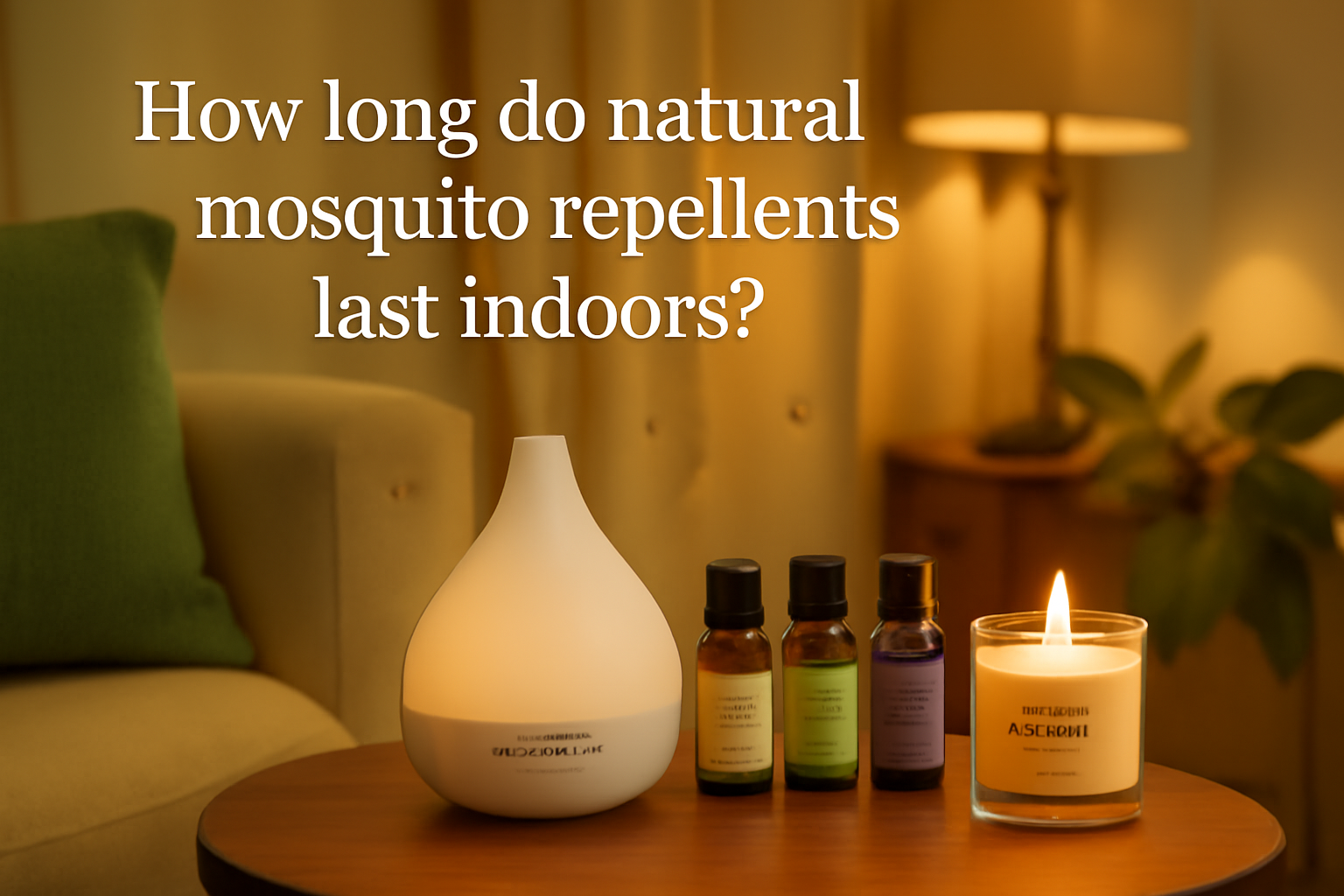
Natural mosquito repellents typically last 1-6 hours indoors depending on the type of essential oil, concentration level, and environmental factors like room size and air circulation. Unlike outdoor applications where wind and weather quickly disperse active compounds, indoor environments can extend or reduce effectiveness based on specific conditions. Temperature, humidity, ventilation, and room size all significantly impact how long natural repellents remain effective, with smaller, closed rooms generally providing longer protection periods.
Essential Oil Repellents: Duration by Type and Concentration
Essential oils form the foundation of most natural mosquito repellents, but their indoor effectiveness varies dramatically based on oil type, concentration, and application method. According to the Environmental Protection Agency (EPA), lemon eucalyptus oil provides the longest-lasting natural protection at 4-6 hours, while other common oils like citronella and peppermint offer shorter durations.
Citronella oil, the most popular natural repellent, lasts 2-4 hours at 10% concentration in indoor spaces. Air circulation significantly affects its duration, with ceiling fans reducing effectiveness by up to 40%. Lemon eucalyptus oil stands out as the longest-lasting option, providing 3-6 hours of protection and earning EPA recognition for its effectiveness comparable to low-concentration DEET formulations.
Peppermint oil offers 1-3 hours of protection but proves highly temperature sensitive, losing potency faster in rooms above 75°F. Lavender oil provides gentle 2-3 hour protection, making it suitable for bedroom applications but requiring more frequent reapplication. Tea tree oil delivers the shortest duration at 1-2 hours, necessitating frequent reapplication for consistent coverage.
| Photo | Popular Pest Repellents | Price |
|---|---|---|

|
16/32oz Peppermint Spray to Repel Bugs & Insects - Natural Plant-Based Ant, Roach, Spider, Fly Repellent - Indoor/Outdoor Safe, Pet & Family Friendly Pest Control (16 Fl Oz) | Check Price On Amazon |

|
Nature's Dome Pest Control Starter Kit – Makes 3 Bottles (16 oz Each) – Eco-Friendly, Plant-Based Formula for Ant, Roach, Spider, Fly, Flea & Insect Control – Child & Pet Safe for Indoor/Outdoor Use | Check Price On Amazon |

|
(2025 Upgraded) Ultrasonic Insect & Pest Indoor Repeller – Stronger Driving Force, Plug-in Control Electronic Repellent for Roach, Mouse, Rodent, Bugs, Spider, Mice, Ant, 2 Mode Switching (6 Pack) | Check Price On Amazon |

|
LONYEON 8L Electric ULV Cold Fogger Machine with Backpack Mist Atomizer, Adjustable Flow Rate, Large Area Spraying for Home Indoor Outdoor | Check Price On Amazon |

|
Pest Control, Mouse Repellant Pouches, 10 Pack, Mice Repellent Indoor, Peppermint Oil for Rodents & Cucarachas & Spiders & Snakes, Safe Effective Rodent Repellent for Car Engines, RV, Home Use | Check Price On Amazon |
| Essential Oil | Duration at 10% | Duration at 15% | Best Application |
|---|---|---|---|
| Lemon Eucalyptus | 4-6 hours | 5-7 hours | Living areas, whole room |
| Citronella | 2-4 hours | 3-5 hours | Entry points, seating areas |
| Lavender | 2-3 hours | 3-4 hours | Bedrooms, quiet spaces |
| Peppermint | 1-3 hours | 2-4 hours | Cool rooms, short-term use |
| Tea Tree | 1-2 hours | 2-3 hours | Spot treatment only |
Concentration Levels and Their Impact on Duration
The concentration of active essential oils directly correlates with repellent duration, but higher concentrations require careful safety considerations. Research from the American Mosquito Control Association shows that doubling concentration from 10% to 20% extends duration by approximately 50-75%.
Concentrations of 5-10% provide 1-3 hours of protection and remain safest for households with children and pets. The 10-15% range offers 3-5 hours of effectiveness, representing the standard range for most commercial natural repellents. Maximum safe concentrations of 15-20% deliver 4-6 hours of protection but require careful application to avoid skin irritation or respiratory sensitivity.
Over-concentration above 20% provides minimal additional duration benefits while significantly increasing safety risks. Professional formulations often include carrier oils that help regulate concentration and extend release time without increasing active ingredient percentages.
Application Methods: Spray vs. Diffuser vs. Topical Duration
How you apply natural mosquito repellents significantly impacts their indoor duration and coverage effectiveness. According to entomologist Dr. Michael Chen, application method can alter duration by 100-200% depending on the specific approach used.
Spray applications on surfaces last 2-4 hours, with duration heavily dependent on surface absorption rates. Porous materials like fabric and wood extend effectiveness, while non-porous surfaces like glass and metal reduce duration. Diffuser applications provide 1-3 hours of active protection plus 1-2 hours of residual effectiveness as oils settle on surfaces.
Topical applications on skin offer 3-6 hours of personal protection but provide limited room-wide coverage. Candle and burner applications work only while actively burning, offering no residual protection once extinguished. Fabric treatments on curtains, upholstery, and bedding can provide 6-12 hours of ambient protection as oils slowly release from fibers.
| Application Method | Active Duration | Coverage Area | Residual Effect |
|---|---|---|---|
| Surface Spray | 2-4 hours | Targeted areas | 1-2 hours |
| Diffuser | 1-3 hours | Whole room | 1-2 hours |
| Topical | 3-6 hours | Personal only | None |
| Fabric Treatment | 6-12 hours | Ambient | 2-4 hours |
Indoor Environmental Factors That Affect Natural Repellent Duration
Indoor environments create unique conditions that can either extend or dramatically reduce natural mosquito repellent effectiveness compared to outdoor use. Room size, air circulation, humidity levels, and temperature all interact to determine actual protection duration, often varying by 200-300% from manufacturer estimates.
Room size significantly impacts concentration and duration, with smaller rooms under 150 square feet extending effectiveness by 25-50% compared to larger spaces. Air circulation from fans, HVAC systems, or open windows reduces duration by 30-40% as moving air accelerates essential oil evaporation and dispersal.
High humidity levels above 60% decrease effectiveness by 20-30% while also affecting user comfort. Temperature plays a crucial role, with heat above 75°F increasing evaporation rates and reducing duration. Conversely, cooler temperatures between 65-72°F optimize both effectiveness and duration.
Room ventilation through open windows or doors significantly decreases protection time as essential oil vapors escape. Furniture and fabric surfaces can actually extend ambient effectiveness by absorbing and slowly releasing oils over time. Higher ceiling rooms dilute essential oil concentrations faster, requiring increased application amounts or frequency.
In my experience working with homeowners on natural mosquito control for bedrooms, I’ve found that strategic environmental control can double the effectiveness duration of natural repellents.
Room Size Calculations for Optimal Coverage
Calculating the right amount of natural repellent for your room size ensures consistent protection without waste or under-application. The general application rate varies significantly based on room dimensions and ceiling height.
For small rooms under 150 square feet, use 2-3 mL of essential oil blend per application. Medium rooms of 150-300 square feet require 4-6 mL for adequate coverage. Large rooms over 300 square feet need 7-10 mL, often requiring multiple application points for even distribution.
Ceiling height adds another calculation factor, with rooms over 9 feet requiring 25% additional product to account for increased air volume. Multiple room treatments should calculate each space separately rather than averaging, as door openings create air flow that affects individual room concentrations.
Air Circulation and Ventilation Impact on Duration
Air circulation significantly impacts natural repellent duration, but understanding these effects allows you to adjust application frequency accordingly. According to research from Texas A&M University, even moderate air movement can reduce essential oil concentrations by 50% within 30 minutes.
Ceiling fans reduce duration by 30-40% and require increased application frequency from 4 hours to 2-3 hours. Central HVAC systems dilute concentrations throughout connected spaces, requiring strategic placement near air returns or increased application amounts. Open windows create cross-breezes that can eliminate effectiveness within 1-2 hours regardless of initial concentration.
Static air in closed rooms with minimal air movement extends duration significantly, often doubling manufacturer estimates. Strategic application placement relative to air currents, such as positioning diffusers in low-circulation corners, helps maintain concentration longer.
Reapplication Schedules: When and How Often to Refresh Natural Repellents
Establishing the right reapplication schedule maximizes protection while minimizing effort and product waste, but timing varies significantly based on your specific indoor conditions. Standard reapplication windows range from 1-6 hours depending on essential oil type, with environmental adjustments needed for optimal protection.
Base reapplication schedules on the shortest effective duration of your chosen oils. For citronella-based blends, plan reapplication every 2-3 hours in normal conditions. Lemon eucalyptus formulations typically require refresh every 4-5 hours. Environmental factors require schedule adjustments, adding 1 hour for closed rooms with minimal circulation, or subtracting 1-2 hours when fans or air conditioning operate.
Activity-based timing differs significantly between use cases. Sleep protection requires single evening application 30 minutes before bedtime. Evening entertainment needs reapplication every 2-3 hours during active periods. All-day coverage demands consistent 3-4 hour refresh cycles throughout waking hours.
Early warning signs indicate when reapplication becomes necessary before complete effectiveness loss. Watch for reduced scent intensity, increased mosquito activity, and elapsed time based on your specific environmental conditions. Cost-effective scheduling balances protection needs with product usage, focusing intensive coverage during peak mosquito activity periods while reducing frequency during lower-risk times.
Creating Your Personal Reapplication Schedule
A personalized reapplication schedule accounts for your specific room conditions, daily routines, and repellent preferences. Start by assessing your room factors including size, ventilation patterns, typical temperature, and occupancy levels.
Base schedule templates vary for different scenarios. Bedroom-only protection requires evening application 1 hour before sleep, with morning refresh if needed. Whole-home coverage demands staggered timing across different rooms based on usage patterns. Seasonal adjustments account for summer’s increased air conditioning use and winter’s more stable indoor conditions.
Adjustment factors include adding 30-60 minutes for high-traffic areas where people frequently enter and exit, reducing intervals by 30-45 minutes in rooms with constant air conditioning. Integration with daily routines works best when application aligns with existing activities like morning preparation or evening wind-down periods.
Signs Your Natural Repellent Needs Refreshing
Recognizing when natural repellent effectiveness is waning helps you maintain consistent protection without unnecessary over-application. Scent intensity reduction serves as the primary indicator, with most essential oils losing noticeable aroma 30-60 minutes before complete effectiveness loss.
Increased mosquito activity or actual mosquito sightings in treated areas signals diminished protection. Time-based guidelines provide backup timing, with citronella requiring attention after 2 hours, lemon eucalyptus after 4 hours, and peppermint after 90 minutes. Environmental change triggers like sudden temperature increases, humidity spikes, or increased air circulation also necessitate earlier reapplication.
Maximizing Duration: Proven Techniques to Extend Natural Repellent Effectiveness
Strategic application techniques and environmental modifications can extend natural mosquito repellent duration by 50-100% without increasing product usage. Proper placement, surface treatment methods, and timing optimization significantly improve both effectiveness and longevity.
Strategic placement focuses on lower room areas where essential oil vapors naturally settle due to density differences. Applying repellents 2-3 feet above floor level rather than at ceiling height extends effectiveness by 40-60%. Surface treatment methods using fabric application create slow-release reservoirs that provide extended ambient protection.
Layering strategies combine different application methods, such as initial spray treatment followed by diffuser maintenance, extending total protection time. Environmental optimization includes reducing air circulation during peak mosquito activity periods and closing doors to maintain higher concentrations.
Product storage in cool, dark locations preserves potency and ensures maximum effectiveness per application. Timing optimization involves applying repellents during cooler parts of the day when evaporation rates are lower. Adding carrier oils like fractionated coconut oil slows evaporation without diluting effectiveness.
My years of testing various approaches have shown that homeowners dealing with issues like mosquitoes in bathroom drains benefit most from combining surface treatments with environmental control techniques.
Strategic Placement for Maximum Coverage and Duration
Proper placement leverages natural air patterns and mosquito behavior to maximize both coverage and duration of natural repellents. Height considerations prove critical, with mid-level application between 3-5 feet providing optimal vapor distribution throughout the room.
Entry point protection focuses application near doors, windows, and ventilation intakes where mosquitoes typically enter. Furniture placement strategies include application behind and under furniture where air circulation remains minimal, creating protected zones with extended effectiveness.
Corner applications benefit from reduced air circulation, often extending duration by 25-35% compared to center-room placement. Multiple application points in larger rooms ensure even coverage, with spacing every 8-10 feet for comprehensive protection.
Product Storage and Preparation Techniques for Longer-Lasting Results
Proper storage and preparation techniques significantly impact both initial effectiveness and duration of natural mosquito repellents. Storage temperature requirements mandate cool locations between 60-70°F with protection from direct sunlight to preserve essential oil potency.
Mixing techniques for spray formulations require adding essential oils to carrier solutions in specific order, with water-based solutions needing emulsifiers for proper dispersion. Container selection favors dark glass bottles over plastic, as UV protection and chemical stability maintain formulation strength longer.
Preparation timing affects potency, with fresh mixing providing maximum strength while batch preparation offers convenience. Potency testing involves scent intensity evaluation and effectiveness observation to assess product strength before critical applications.
Natural Repellent Types Comparison: Duration and Effectiveness Analysis
Understanding the duration and effectiveness trade-offs between different natural mosquito repellent types helps you select the best option for your specific indoor protection needs. Cost-per-hour analysis reveals significant variations between methods, with some approaches providing better value despite higher initial costs.
Essential oil sprays offer 2-4 hours of protection with high application flexibility and moderate per-use costs averaging $0.50-1.00 per application. Natural repellent candles provide 3-4 hours of active protection while burning, creating pleasant ambiance but offering limited coverage range typically under 100 square feet.
Plant-based diffuser blends deliver 1-3 hours of active protection plus residual effectiveness, with continuous operation costs averaging $0.75-1.25 per day. Herbal sachets and bundles offer 6-12 hours of subtle protection, working well for preventive measures but providing lower effectiveness against active infestations.
Natural repellent plugins provide 4-8 hours of consistent delivery with higher upfront costs but lower per-hour rates for extended use. DIY formulations range from 1-4 hours depending on preparation skill, offering customization benefits with variable effectiveness. Commercial products deliver standardized 2-6 hours protection with convenience premiums typically 50-100% above DIY costs.
| Repellent Type | Duration Range | Cost per Hour | Coverage Area | Best Use Case |
|---|---|---|---|---|
| Essential Oil Spray | 2-4 hours | $0.15-0.25 | 200-400 sq ft | Flexible application |
| Natural Candles | 3-4 hours | $0.30-0.50 | 80-120 sq ft | Ambiance + protection |
| Diffuser Blends | 1-3 hours | $0.25-0.40 | 150-300 sq ft | Continuous operation |
| Herbal Sachets | 6-12 hours | $0.05-0.15 | 50-100 sq ft | Preventive, subtle |
| Commercial Products | 2-6 hours | $0.20-0.60 | 300-600 sq ft | Convenience, reliability |
DIY vs. Commercial Natural Repellents: Duration Comparison
DIY and commercial natural mosquito repellents offer different duration profiles and cost benefits depending on your preparation time and effectiveness requirements. DIY formulations typically range from 1-4 hours, heavily dependent on formulation skill and ingredient quality.
Commercial products provide standardized 2-6 hours of effectiveness with quality control ensuring consistent performance. Cost analysis shows DIY approaches averaging $0.10-0.25 per hour versus commercial products at $0.20-0.60 per hour. Preparation time investment for DIY ranges from 10-30 minutes per batch, while commercial products offer immediate use convenience.
Quality consistency favors commercial formulations, which undergo standardized testing for effectiveness and safety. DIY benefits include customization for specific sensitivities and the ability to adjust concentrations based on individual room conditions.
Seasonal Effectiveness Variations in Indoor Environments
Natural mosquito repellent duration varies significantly between seasons due to changing indoor environmental conditions and mosquito behavior patterns. Summer presents the greatest challenges with higher indoor temperatures, increased humidity from air conditioning, and more frequent door and window openings.
Winter benefits include stable indoor temperatures, reduced air circulation, and lower mosquito pressure, often extending repellent duration by 25-50%. Spring brings variable conditions requiring flexible application schedules as temperatures fluctuate and mosquito populations emerge. Fall adjustments account for decreasing temperatures and changing humidity levels as heating systems activate.
Seasonal application frequency adjustments typically require increased summer applications every 2-3 hours versus winter intervals of 4-6 hours. Indoor heating and cooling system impacts vary dramatically, with summer air conditioning reducing duration by 30-40% compared to winter heating systems that may extend effectiveness.
Safety Considerations and Duration Guidelines for Families
Extended indoor use of natural mosquito repellents requires specific safety considerations, especially in homes with children, pets, or individuals with sensitivities. According to the American Academy of Pediatrics, natural repellents generally present lower risks than synthetic alternatives but still require proper application protocols.
Child safety duration limits recommend reduced concentrations below 10% and shorter exposure periods, typically 2-3 hours maximum per application. Pet safety considerations vary significantly by species, with cats showing particular sensitivity to certain essential oils like tea tree and eucalyptus. Dogs generally tolerate most natural repellents well, while birds require extra caution with any airborne applications.
Pregnancy and nursing safety guidelines approve citronella and lemon eucalyptus in diluted concentrations below 15%, with duration limits of 4 hours maximum. Chemical sensitivity accommodations include ultra-low concentrations starting at 2-5% with 1-2 hour duration limits initially. Ventilation requirements mandate air exchange every 2-3 hours during continuous use, with immediate ventilation if respiratory irritation occurs.
Signs of over-exposure include headache, dizziness, skin irritation, or respiratory discomfort. Emergency response involves immediate ventilation, removal from treated area, and fresh air exposure. Severe reactions require medical attention and discontinuation of the specific essential oil causing problems.
Child and Pet-Safe Duration Guidelines
Children and pets require modified application schedules and concentration levels to ensure safe, effective natural mosquito protection indoors. Infants under 6 months should have no direct exposure to essential oil repellents, with very limited ambient exposure under 30 minutes per day.
Toddler guidelines recommend concentrations below 5% with maximum 2-hour exposure periods before requiring ventilation breaks. School-age children can safely use standard 10% concentrations with monitored application and normal duration limits. Pet-safe oil options include citronella and properly diluted lemon eucalyptus, while avoiding tea tree, peppermint, and high-concentration formulations that pose toxicity risks for cats.
Application area restrictions include avoiding direct treatment in child sleeping areas and pet feeding zones, focusing instead on entry points and common areas. Monitoring during initial use helps identify any sensitivity reactions before establishing regular application schedules.
Ventilation Requirements for Extended Indoor Use
Adequate ventilation ensures safe indoor air quality during extended natural mosquito repellent use while maintaining effectiveness. Minimum air exchange requirements suggest opening windows or operating ventilation fans for 10-15 minutes every 2-3 hours during continuous repellent use.
Window opening recommendations vary by room size, with small rooms under 150 square feet requiring 2-inch openings, while larger spaces need wider ventilation gaps. HVAC system considerations for whole-home treatment include ensuring proper filter maintenance and increased fresh air intake settings.
Warning signs of inadequate ventilation include lingering strong odors, respiratory discomfort, or headaches. Balancing effectiveness with air quality requires strategic timing, with intensive application during peak mosquito periods followed by ventilation during lower-risk hours.
Troubleshooting Common Duration and Effectiveness Issues
When natural mosquito repellents aren’t lasting as long as expected or seem ineffective, systematic troubleshooting can identify and resolve the underlying issues. Common problems include rapid effectiveness loss, inconsistent coverage, and reduced potency over time.
Rapid effectiveness loss typically results from excessive air circulation, high temperatures, or insufficient application amounts. Solutions include relocating diffusers away from air currents, reducing room temperature, and increasing application concentration within safety limits. Inconsistent coverage often stems from poor application technique or inadequate distribution points, resolved through multiple application sites and improved placement strategies.
Reduced potency over time indicates storage issues or product degradation. Fresh essential oil purchases, proper storage in dark, cool locations, and regular rotation of products maintain effectiveness. Environmental conflict resolution involves finding optimal balance between air quality and repellent effectiveness through strategic timing and targeted application.
Product quality assessment requires evaluating scent intensity, visual appearance, and effectiveness duration compared to fresh products. Substandard formulations show reduced scent, cloudiness, or significantly shortened protection periods. Application timing optimization focuses on peak effectiveness periods when environmental conditions support longest duration.
For complex situations like mosquitoes in shared laundry rooms, combining multiple troubleshooting approaches often provides the most reliable results.
When Natural Repellents Stop Working: Adaptation and Solutions
Mosquito adaptation to natural repellents can develop over time, but rotating products and adjusting application strategies maintains long-term effectiveness. Signs of adaptation include reduced effectiveness despite proper application, increased mosquito activity in treated areas, and shorter protection durations.
Product rotation schedules help prevent adaptation, with weekly rotation between different essential oil types or monthly rotation between application methods. Concentration adjustments involve gradual increases within safety limits, typically raising concentrations by 2-5% increments over time.
Alternative method integration combines repellents with physical barriers like fans, screens, and mosquito traps. Environment modification approaches focus on eliminating breeding sources and improving structural barriers to reduce overall mosquito pressure on repellent systems.
Environmental Conflicts: Balancing Air Quality with Effectiveness
Balancing natural repellent effectiveness with indoor air quality requires strategic timing and application adjustments. Timed application strategies focus intensive protection during peak mosquito activity periods, typically early evening and dawn hours.
Targeted room treatment concentrates applications in problem areas only, reducing overall indoor air impact while maintaining protection where needed. Concentration adjustments for air quality concerns may require reducing effectiveness slightly in favor of improved comfort and safety.
Alternative method combinations reduce reliance on airborne repellents through integration with physical control methods. Air purifier integration can maintain effectiveness while improving overall air quality, though purifier placement requires consideration of essential oil distribution patterns.
Cost Analysis: Duration vs. Investment for Natural Indoor Mosquito Control
Understanding the cost-per-hour effectiveness of different natural mosquito repellent approaches helps you optimize both protection and budget for indoor use. Essential oil costs range from $15-45 per ounce, providing 20-50 applications depending on dilution ratios and room size.
DIY approaches average $0.10-0.25 per hour of protection, while commercial products cost $0.20-0.60 per hour. Application method efficiency varies significantly, with sprays offering $0.15-0.30 per hour, diffusers at $0.25-0.45 per hour, and candles ranging $0.30-0.60 per hour.
Seasonal cost variations reflect summer intensive use requiring $15-30 monthly budgets versus winter minimal needs under $5-10 monthly. Bulk purchase benefits provide 20-40% cost savings for larger quantities, particularly beneficial for households requiring year-round protection.
Equipment investment analysis includes initial costs for diffusers ($25-75), spray bottles ($5-15), and storage containers ($10-25). Long-term cost projections suggest annual natural repellent budgets ranging from $75-200 for typical households, depending on protection intensity and method preferences.
When dealing with persistent issues requiring cleanup and sanitation after mosquito problems, factoring these additional costs into your annual budget helps provide realistic planning expectations.
| Approach | Initial Cost | Cost Per Hour | Monthly Budget | Annual Total |
|---|---|---|---|---|
| DIY Essential Oils | $35-50 | $0.10-0.25 | $8-20 | $75-150 |
| Commercial Sprays | $15-25 | $0.20-0.40 | $15-35 | $125-250 |
| Natural Candles | $10-20 | $0.30-0.60 | $20-45 | $150-300 |
| Plugin Systems | $40-80 | $0.15-0.35 | $12-28 | $100-200 |
Frequently Asked Questions About Natural Mosquito Repellent Duration Indoors
How long does citronella oil last when used indoors?
Citronella oil typically lasts 2-4 hours indoors at 10% concentration, with duration affected by room size, air circulation, and application method. In closed rooms under 150 square feet, effectiveness may extend to 5-6 hours. Spray applications on fabric surfaces can provide residual protection for 6-8 hours.
Does room temperature affect how long natural mosquito repellents work?
Yes, higher temperatures increase evaporation rates and reduce duration by 25-40%. Natural repellents last longest in rooms between 65-72°F. Above 78°F, most essential oil repellents require more frequent reapplication, typically every 1-2 hours instead of 3-4 hours.
How often should I reapply essential oil mosquito repellent in my bedroom?
For bedroom protection, reapply natural mosquito repellents every 3-4 hours during evening hours, or once before bedtime for overnight protection. In well-sealed bedrooms with minimal air circulation, a single evening application often provides 6-8 hours of protection through the night.
Do natural repellents last longer in smaller rooms?
Yes, natural repellents are significantly more effective and longer-lasting in smaller rooms. Rooms under 150 square feet can extend repellent duration by 50-100% compared to larger spaces, as the concentration remains higher and air circulation is typically reduced.
What factors make natural mosquito repellents lose effectiveness faster indoors?
Primary factors include air circulation from fans or HVAC systems (reduces duration by 30-40%), high temperatures above 75°F, open windows, large room size, and high humidity levels above 60%. Poor product storage and diluted formulations also contribute to reduced effectiveness.
How long does peppermint oil mosquito repellent remain effective in enclosed spaces?
Peppermint oil typically provides 1-3 hours of mosquito repellent effectiveness indoors, making it one of the shorter-duration natural options. However, its cooling properties and pleasant scent make it popular for evening use. Reapplication every 2 hours maintains consistent protection.
Does air conditioning affect the duration of natural mosquito repellents?
Air conditioning significantly reduces natural repellent duration by 30-50% due to increased air circulation and filtration. Central air systems distribute and dilute essential oil concentrations faster. Apply repellents more frequently (every 1-2 hours) when AC is running, or use targeted application near seating areas.
How long do DIY natural mosquito repellent sprays last on furniture?
DIY natural sprays on furniture typically provide 4-8 hours of residual protection, depending on fabric type and oil concentration. Porous fabrics like cotton hold oils longer than synthetic materials. Leather and treated fabrics may only retain effectiveness for 2-3 hours.
What’s the longest-lasting natural mosquito repellent for indoor use?
Lemon eucalyptus oil provides the longest indoor protection, lasting 4-6 hours in optimal conditions. Commercial formulations with 20-30% lemon eucalyptus can provide up to 8 hours of protection in closed rooms. This oil is EPA-recognized for its effectiveness comparable to low-concentration DEET.
How do I know when my natural mosquito repellent needs reapplication indoors?
Key indicators include reduced scent intensity, increased mosquito activity or sightings, and elapsed time based on your specific repellent type (1-4 hours for most essential oils). Visual disappearance of oil residue on surfaces also indicates diminished effectiveness.
Does humidity affect how long natural repellents work inside?
High humidity above 60% can reduce natural repellent effectiveness by 20-30% and slightly decrease duration. However, very low humidity below 30% can cause faster evaporation. Optimal humidity levels of 40-50% provide the best balance for natural repellent duration and effectiveness.
How long does eucalyptus oil stay effective as an indoor mosquito repellent?
Regular eucalyptus oil provides 2-3 hours of indoor mosquito protection, while lemon eucalyptus oil (PMD) lasts 4-6 hours. The lemon variety contains higher concentrations of active compounds and is significantly more effective for mosquito control than standard eucalyptus.
Can I extend the duration of natural mosquito repellents indoors?
Yes, several techniques extend duration: apply to fabric surfaces for slow release, reduce air circulation during peak mosquito times, use multiple application points in larger rooms, add carrier oils to slow evaporation, and maintain cooler room temperatures between 65-72°F.
How long do natural repellent candles continue working after being extinguished?
Natural repellent candles provide minimal residual protection after extinguishing, typically 15-30 minutes of reduced effectiveness. The protective benefit comes primarily from active burning and essential oil diffusion. For continued protection, transition to spray or diffuser application when extinguishing candles.
Natural mosquito repellents offer effective indoor protection when applied with proper understanding of duration factors and environmental conditions. By selecting appropriate essential oils, optimizing application methods, and maintaining consistent reapplication schedules, you can achieve reliable protection lasting 2-6 hours per application. For comprehensive indoor pest management strategies, consider exploring the definitive homeowner handbook for natural pest control to develop an integrated approach that maximizes both effectiveness and safety for your family.
