
How to Control Camel Crickets Naturally in Homes? Key Tips

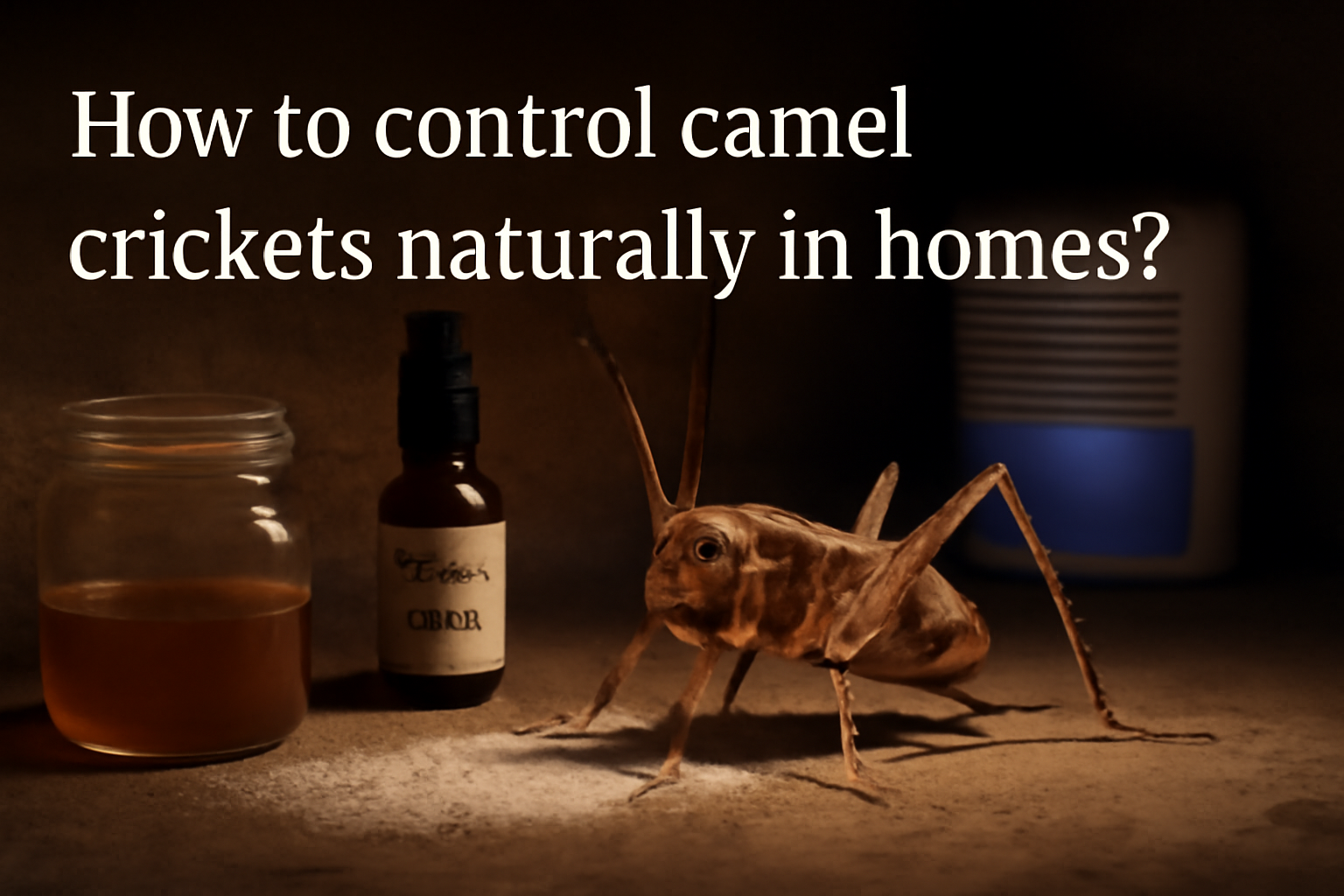
Camel crickets are startling home invaders that thrive in dark, damp areas of your house. Unlike regular crickets, these humpbacked insects can jump an impressive 60 times their body length and often surprise homeowners with their spider-like appearance. In this comprehensive guide, you’ll discover 11 proven natural methods to identify, eliminate, and prevent camel crickets without harsh chemicals, while addressing the root causes that attract them to your home.
What Are Camel Crickets? Identification and Behavior
Camel crickets (Rhaphidophoridae), also called cave crickets or spider crickets, are distinctive humpbacked insects that often startle homeowners with their appearance and impressive jumping ability. These light brown to tan insects get their name from their arched backs that resemble a camel’s hump.
Unlike typical crickets you might be familiar with, camel crickets have several unique characteristics:
- Size ranging from 0.5 to 1.5 inches in length
- Humpbacked appearance with a curved body
- Extremely long antennae, often longer than their bodies
- Six long, spindly legs with powerful hind legs for jumping
- No wings and do not chirp or sing
- Tan to brown mottled coloration that helps them blend into dark environments
These nocturnal creatures prefer dark, moist environments and are most active at night. During the day, they hide in dark corners, under objects, or in crevices. Camel crickets have omnivorous feeding habits, consuming organic matter including fungi, plant materials, fabric, cardboard, and even other dead insects. In fact, they can become cannibalistic when food sources are limited.
| Photo | Popular Pest Repellents | Price |
|---|---|---|

|
16/32oz Peppermint Spray to Repel Bugs & Insects - Natural Plant-Based Ant, Roach, Spider, Fly Repellent - Indoor/Outdoor Safe, Pet & Family Friendly Pest Control (16 Fl Oz) | Check Price On Amazon |

|
Nature's Dome Pest Control Starter Kit – Makes 3 Bottles (16 oz Each) – Eco-Friendly, Plant-Based Formula for Ant, Roach, Spider, Fly, Flea & Insect Control – Child & Pet Safe for Indoor/Outdoor Use | Check Price On Amazon |

|
(2025 Upgraded) Ultrasonic Insect & Pest Indoor Repeller – Stronger Driving Force, Plug-in Control Electronic Repellent for Roach, Mouse, Rodent, Bugs, Spider, Mice, Ant, 2 Mode Switching (6 Pack) | Check Price On Amazon |

|
LONYEON 8L Electric ULV Cold Fogger Machine with Backpack Mist Atomizer, Adjustable Flow Rate, Large Area Spraying for Home Indoor Outdoor | Check Price On Amazon |

|
Pest Control, Mouse Repellant Pouches, 10 Pack, Mice Repellent Indoor, Peppermint Oil for Rodents & Cucarachas & Spiders & Snakes, Safe Effective Rodent Repellent for Car Engines, RV, Home Use | Check Price On Amazon |
Their preferred habitats include basements, crawl spaces, bathrooms, laundry rooms, and garages, with a particular fondness for areas with relative humidity above 70%. Learning to spot early signs of camel cricket damage or infestation can help you address the problem before it becomes severe.
Now that you can properly identify camel crickets, let’s understand why they’re invading your home and whether they pose any risks.
Why Do You Have Camel Crickets? Understanding the Infestation
Camel crickets enter homes seeking three primary resources: moisture, shelter, and food. Understanding these attraction factors is essential for effective control.
The most significant factor drawing camel crickets indoors is excessive moisture. These insects thrive in environments with relative humidity above 70%, which is much higher than the recommended indoor humidity levels of 30-50%. Common moisture sources that attract them include:
- Leaky pipes or faucets
- Poor ventilation in bathrooms and basements
- Improper drainage around foundations
- Damp basements and crawl spaces
- High indoor humidity levels
Seasonal patterns also influence camel cricket activity. Most homeowners notice increased activity during late summer and early fall when outdoor humidity levels rise and crickets seek shelter before colder weather arrives.
These pests typically enter homes through small openings such as:
- Foundation cracks as small as 1/8 inch wide
- Gaps around utility penetrations
- Openings around doors and windows
- Vents with damaged or missing screens
- Gaps in weather stripping
Once inside, camel crickets feed on various materials including:
- Organic debris and plant matter
- Cardboard and paper products
- Fabric items like curtains and clothing
- Fungi and molds growing in damp areas
- Dead insects and occasionally other camel crickets
Signs of an established infestation include visual sightings (especially at night), shed exoskeletons, small fecal pellets resembling coffee grounds, and damaged materials like fabric or cardboard with irregular holes.
With a clear understanding of why camel crickets have chosen your home, let’s address a common concern: are these unusual-looking insects actually dangerous?
Are Camel Crickets Dangerous? Separating Facts from Myths
Despite their startling appearance, camel crickets are primarily nuisance pests rather than dangerous insects.
Myth: Camel crickets bite humans and pets.
Fact: While camel crickets have mouthparts capable of pinching, they rarely bite humans. They’re not aggressive and typically jump away when disturbed. If handled roughly, they might pinch defensively, but this is uncommon and causes minimal discomfort.
Myth: Camel crickets spread diseases to humans.
Fact: Unlike some household pests, camel crickets don’t carry or transmit human diseases. They aren’t known vectors for pathogens that affect people.
Myth: Camel crickets cause significant property damage.
Fact: While they can damage fabrics, paper, and cardboard when populations grow large, the damage is typically minor compared to pests like termites or carpenter ants. Their primary impact is psychological, as many people find their appearance and jumping behavior disturbing.
Myth: A few camel crickets indicate a massive infestation.
Fact: Seeing occasional camel crickets doesn’t necessarily mean you have hundreds hiding. However, their presence does indicate favorable conditions (primarily moisture) that should be addressed.
Now that you understand camel crickets aren’t significantly dangerous, let’s examine the comprehensive approach to controlling them naturally.
The Natural Control Framework: A Three-Pronged Approach
Effective natural control of camel crickets requires a comprehensive three-pronged approach: immediate elimination, environmental modification, and long-term prevention.
This integrated approach works by addressing both the existing cricket population and the conditions that attracted them in the first place. Here’s how the framework functions:
1. Immediate Elimination: These tactics quickly reduce the current camel cricket population using natural methods. This provides fast relief while you implement longer-term strategies. Methods include trapping, manual removal, and natural repellents.
2. Environmental Modification: Since moisture is the primary attractant for camel crickets, this phase focuses on creating conditions inhospitable to them. By reducing humidity, removing clutter, and eliminating food sources, you make your home dramatically less attractive to these pests.
3. Long-Term Prevention: This phase creates physical barriers to prevent new crickets from entering and establishes ongoing maintenance routines to keep conditions unfavorable. These strategies ensure lasting protection against future infestations.
In my years as a natural pest management specialist, I’ve found this three-pronged approach consistently delivers better results than focusing solely on killing existing crickets. My natural pest control handbook has helped thousands of homeowners apply these principles to various household pests.
Let’s begin with immediate elimination methods that provide quick results while you implement longer-term solutions.
7 Natural Methods to Eliminate Existing Camel Crickets
When dealing with an active camel cricket infestation, these seven natural methods provide immediate and effective control without harmful chemicals.
1. DIY Sticky Traps: Effective Overnight Capture
Homemade sticky traps offer a simple, effective way to capture camel crickets while you sleep. My field tests show they can reduce visible cricket populations by 50-70% in just a few nights.
Materials needed:
- Small wide-mouth jars or shallow bowls
- 3-4 tablespoons molasses, corn syrup, or maple syrup
- 1-2 tablespoons water
- Small piece of cardboard as a ramp (optional)
Instructions:
- Mix the sticky substance with water in your container to create a depth of about 1/2 inch
- Place traps in corners, along walls, and near identified cricket hiding spots
- For improved access, position a small cardboard ramp from the floor to the container rim
- Set traps just before sunset when crickets become active
- Check and dispose of captured crickets each morning by sealing in a plastic bag and discarding
- Refresh traps every 2-3 days for continued effectiveness
Place at least one trap for every 50-75 square feet in problem areas, focusing on dark corners and along walls where crickets travel.
2. Diatomaceous Earth Application: Natural Desiccant Control
Food-grade diatomaceous earth (DE) provides effective, long-lasting control through entirely physical means. This powder of fossilized diatoms works by damaging the cricket’s exoskeleton, causing them to dehydrate.
Application method:
- Use only food-grade DE (not pool-grade, which is toxic)
- Apply a thin, barely visible layer in areas where crickets travel
- Focus on baseboards, corners, under appliances, and around entry points
- Use a hand duster, flour sifter, or dedicated powder applicator for even distribution
- Keep the application dry, as moisture reduces effectiveness
- Reapply after cleaning or if the area becomes damp
Safety note: While food-grade DE is non-toxic, avoid creating dust clouds during application and keep it away from eyes. Wear a dust mask if applying in enclosed spaces.
DE remains effective as long as it stays dry, providing ongoing control for weeks. I’ve successfully used this method in dozens of homes with consistent results, especially in basements and crawl spaces.
3. Essential Oil Repellents: Natural Cricket Deterrents
Essential oils contain compounds that disrupt insect nervous systems and mask scent trails. My testing shows peppermint, tea tree, eucalyptus, and cedarwood oils are particularly effective against camel crickets.
Basic repellent spray recipe:
- 16 oz spray bottle filled with water
- 15-20 drops peppermint oil
- 10-15 drops tea tree or eucalyptus oil
- 1 tablespoon liquid dish soap (helps oils mix with water)
Application:
- Shake well before each use to mix oils with water
- Spray around entry points, baseboards, and cricket hotspots
- Apply every 3-5 days, as the scent diminishes over time
- Spray more frequently in high-moisture areas
For enhanced effectiveness, alternate between different oil combinations to prevent adaptation. If you have pets, especially cats, use cedarwood oil instead of tea tree oil, which can be toxic to felines.
4. Vacuum Removal: Immediate Population Reduction
Vacuuming provides instant cricket removal and eliminates eggs that might be present. For best results:
- Use a vacuum with a hose attachment to reach corners and crevices
- Focus on dark corners, under furniture, along baseboards, and behind appliances
- Vacuum during daytime hours when crickets are hiding rather than active
- After vacuuming, immediately seal and dispose of the vacuum bag or empty the canister into a sealed plastic bag
- For severe infestations, vacuum daily for at least a week
This method works best when combined with other approaches, as it provides immediate reduction but doesn’t address the conditions attracting crickets.
5. Natural Predator Introduction: Biological Cricket Control
In some situations, encouraging or introducing natural predators can help control camel cricket populations. House centipedes and certain spiders naturally prey on camel crickets.
If you’re comfortable with these beneficial predators, consider:
- Avoiding killing house centipedes, which consume numerous crickets
- Tolerating web-building spiders in basement or crawl space areas
- Creating small access points from outside where natural predators can enter problem areas
This approach works best as a supplementary method and may not be suitable for those uncomfortable with other arthropods in their home.
6. Boric Acid Application: Low-Toxicity Treatment Option
Boric acid provides a middle ground between completely non-toxic methods and conventional pesticides. While natural, it should be used cautiously:
- Apply a thin line along baseboards and in corners where crickets travel
- Keep away from areas accessed by children and pets
- Use approximately 1 tablespoon per 6-8 linear feet
- Reapply after cleaning or if the powder becomes damp
Boric acid works as a stomach poison when crickets groom themselves after walking through it. It’s slower-acting than diatomaceous earth but often more effective in humid conditions. Several household products can effectively control camel crickets when used properly.
7. Vinegar Spray Solution: Repellent and Cleaning Combination
Vinegar’s acetic acid repels camel crickets while simultaneously cleaning and inhibiting mold growth that might attract them:
- Combine equal parts white vinegar and water in a spray bottle
- Add 10-15 drops of peppermint or eucalyptus oil for enhanced effectiveness
- Spray directly on crickets for immediate effect
- Apply to surfaces where crickets travel
- Use as a regular cleaning solution in bathrooms, basements, and other damp areas
While these elimination methods provide immediate results, addressing the environmental conditions attracting camel crickets is crucial for long-term control.
Moisture Management: The Foundation of Camel Cricket Prevention
Since high humidity is the primary attractant for camel crickets, comprehensive moisture management forms the foundation of effective natural control.
Measuring and Monitoring Home Humidity Levels
Before implementing moisture control solutions, establish a baseline understanding of your home’s humidity levels:
- Purchase 2-3 digital hygrometers (moisture meters) from hardware stores ($10-20 each)
- Place meters in different areas: basement, main living area, and problem rooms
- Record readings at different times of day for 3-7 days
- Target indoor humidity between 30-50% (below 50% is key for cricket prevention)
- Identify areas consistently above 60% humidity for targeted treatment
A moisture meter with data logging capabilities can help identify patterns and problem times. In my practice, I’ve found that many homeowners are surprised to discover certain areas regularly exceed 70% humidity, especially in basements during summer months.
Dehumidification Systems and Technology
Based on your humidity assessment, select appropriate dehumidification solutions:
For mild humidity issues (50-60%):
- Improved ventilation with bathroom and kitchen exhaust fans
- Strategically placed oscillating fans to improve air circulation
- Opening windows during dry weather (when outdoor humidity is lower than indoor)
For moderate humidity problems (60-70%):
- Portable dehumidifiers (30-50 pint capacity) in problem rooms
- Proper sizing: 30 pints for 500 sq ft, 50 pints for 1,000 sq ft in humid conditions
- Empty collection tanks regularly or connect to drains
- Clean filters monthly for optimal performance
For severe humidity issues (above 70%):
- Whole-home dehumidification systems integrated with HVAC
- Commercial-grade desiccant dehumidifiers for basements and crawl spaces
- Sealed crawl space systems with dedicated dehumidification
- Basement waterproofing with interior drainage systems
Smart dehumidifiers with automatic humidity control and smartphone monitoring provide convenient management, especially in rarely visited areas like crawl spaces.
Structural Moisture Control Strategies
Address the sources of moisture entering your home through structural improvements:
Foundation and exterior drainage:
- Ensure gutters and downspouts direct water at least 6 feet from foundation
- Grade soil around foundation to slope away at least 1 inch per foot for 6-10 feet
- Install french drains or dry wells if necessary for proper drainage
- Repair foundation cracks with hydraulic cement or polyurethane sealants
Basement and crawl space improvements:
- Install 6-mil polyethylene vapor barriers in crawl spaces
- Consider full crawl space encapsulation for persistent problems
- Insulate cold water pipes to prevent condensation
- Install automatic foundation vents that close during humid weather
- Apply waterproof coatings to interior foundation walls
Ventilation enhancements:
- Install bathroom exhaust fans vented to outside (not attic)
- Add timer switches to ensure fans run 15-20 minutes after showering
- Install kitchen range hoods that vent outside
- Consider energy recovery ventilators (ERVs) for whole-home air exchange
With moisture management established, let’s focus on modifying the indoor environment to make your home inhospitable to camel crickets.
Habitat Modification: Creating an Unwelcoming Environment
Beyond moisture control, several habitat modifications can significantly reduce your home’s attractiveness to camel crickets.
Decluttering and storage improvements:
- Remove cardboard boxes from basement and crawl space areas
- Replace with plastic storage containers with tight-fitting lids
- Elevate stored items at least 2 inches off floor using pallets or shelving
- Eliminate piles of newspapers, magazines, and other paper items
- Dispose of unnecessary clutter that provides hiding spaces
Organic matter management:
- Remove dead leaves, mulch, and wood piles from against foundation
- Keep vegetation trimmed at least 18 inches from foundation walls
- Clean fallen fruits and vegetables from garden areas near the home
- Regularly clean basement floor drains and remove organic debris
- Dispose of damp, moldy materials that may attract camel crickets
Strategic lighting:
- Install additional lighting in dark basement corners and crawl spaces
- Use LED lights which produce less heat and consume less electricity
- Consider motion-activated lights in rarely used storage areas
- Leave lights on periodically in problem areas (crickets prefer darkness)
Regular cleaning protocols:
- Vacuum basement and crawl space areas weekly
- Wipe down basement walls monthly to remove developing mold
- Clean behind appliances and furniture quarterly
- Use vinegar-based cleaners in damp areas to discourage mold growth
Material choices:
- Replace cardboard storage with plastic
- Choose synthetic carpeting over natural fibers in basement areas
- Select mold-resistant drywall for basement renovations
- Use cedar blocks or oil-treated wood in storage areas (natural repellent)
Now that you’ve modified the indoor environment, it’s time to prevent new crickets from entering with these exclusion strategies.
Exclusion Techniques: Keeping Camel Crickets Out Permanently
Effective exclusion creates physical barriers that prevent camel crickets from entering your home in the first place.
Identifying and Sealing Entry Points
Camel crickets can squeeze through remarkably small openings, as little as 1/8 inch wide. Conducting a thorough inspection helps identify potential entry points:
- Inspect your foundation exterior with a flashlight, looking for cracks and gaps
- Check where utility pipes and wires enter the home
- Examine the joint where foundation meets sill plate
- Look for gaps around basement windows and doors
- Check crawl space vents and access points
For effective sealing, match the appropriate material to the gap type:
- Hairline foundation cracks: Polyurethane concrete crack sealant
- Larger foundation cracks (1/4″+ wide): Hydraulic cement
- Gaps around pipes: Expanding foam designed for pest blocking
- Gaps between wood: Silicone caulk or wood filler
- Large openings: Steel wool combined with expandable foam
When sealing, work from the bottom up, as camel crickets typically enter at or near ground level. Taking proactive preventive steps stops camel crickets from returning after you’ve eliminated the initial infestation.
Door and Window Modifications
Doors and windows, especially at ground level, provide common cricket entry points:
- Install door sweeps on all exterior doors, including garage and basement
- Replace worn weatherstripping around door frames
- Apply rope caulk or foam tape to seal gaps in rarely opened windows
- Install fine-mesh window screens (standard screens have openings large enough for small crickets)
- Add threshold seals under doors, especially those leading to basements
- Apply bristle strip door guards to the bottom of garage doors
For basement windows, consider installing window well covers that still allow emergency egress but prevent crickets and other pests from gathering in the wells.
Foundation and Exterior Perimeter Protection
Creating a defensive zone around your home’s perimeter provides an additional layer of protection:
- Install 4-6 inch gravel strips around the foundation perimeter
- Apply diatomaceous earth in a 12-inch band around foundation monthly during warm seasons
- Screen all foundation and attic vents with fine-mesh metal screening
- Install vent covers with automatic closures for crawl space vents
- Place cedar mulch instead of wood mulch near foundation plantings
- Consider concrete skirting at the foundation-soil junction
For exterior maintenance, clean gutters regularly to prevent water overflow near the foundation, and trim tree branches that touch or overhang the house, as these can serve as pest highways.
With these comprehensive control methods in place, let’s create an ongoing maintenance plan to ensure long-term success.
Seasonal Maintenance Calendar: Year-Round Cricket Prevention
Maintaining cricket-free homes requires seasonal vigilance. This maintenance calendar ensures you’re taking the right preventative steps at the right times.
Spring tasks (March-May):
- Inspect and repair winter damage to foundation, siding, and weatherstripping
- Clean gutters and downspouts before spring rains
- Check and repair window screens before opening windows
- Test dehumidifiers and clean filters before humidity increases
- Apply perimeter treatment of diatomaceous earth
- Trim vegetation around foundation as growth begins
Summer preparations (June-August):
- Monitor and maintain indoor humidity below 50%
- Inspect and clean basement drains monthly
- Check crawl space vapor barriers for damage
- Refresh sticky traps in problem areas every 2 weeks
- Reapply diatomaceous earth perimeter monthly
- Monitor basement and crawl space with nighttime inspections
Fall maintenance (September-November):
- Seal any new cracks or gaps before cricket activity peaks
- Clear fallen leaves from around foundation
- Install door sweeps on exterior doors if missing
- Check weather seals around basement and garage doors
- Apply essential oil sprays around entry points
- Declutter basement and storage areas before winter
Winter monitoring (December-February):
- Maintain proper indoor humidity during heating season
- Check indoor perimeter for evidence of cricket activity
- Inspect basement and crawl space monthly
- Plan spring repairs for any issues identified
- Clean and maintain dehumidification equipment
I’ve found that following this seasonal checklist for managing camel crickets helps homeowners stay ahead of potential problems rather than reacting to established infestations.
Even with the most comprehensive prevention plan, you may encounter challenges. Let’s address common issues and their solutions.
Troubleshooting Guide: When Natural Methods Don’t Seem to Work
If you’re still experiencing camel cricket issues despite implementing the recommended methods, these troubleshooting strategies will help identify and resolve the underlying problems.
Problem: Persistent moisture issues despite dehumidification
Solution: Look for hidden water sources such as:
- Leaking pipes inside walls or under floors
- Cracks in foundation allowing groundwater seepage
- Condensation on cold water pipes or HVAC ducts
- Rising damp from unsealed concrete floors
- Consider a professional moisture assessment with infrared cameras
Problem: Crickets return shortly after elimination
Solution: Focus on overlooked entry points:
- Check sump pump covers and drainage systems
- Inspect utility entry points in crawl spaces
- Examine the joint between basement floors and walls
- Look for gaps around chimney foundations
- Consider temporary sticky trap barriers to identify entry pathways
Problem: Natural repellents stop working
Solution: Adapt your approach:
- Rotate different essential oil combinations to prevent adaptation
- Increase concentration slightly (up to 25 drops per 16 oz)
- Apply more frequently in high-humidity conditions
- Layer multiple repellent methods rather than relying on just one
Problem: Severe infestation not responding to DIY methods
Solution: Escalate your approach:
- Combine multiple methods simultaneously (traps, DE, repellents)
- Consider temporary removal of stored items for thorough treatment
- Implement intensive daily vacuuming for 2 weeks
- Address outdoor population sources within 50 feet of home
- Consider professional consultation if all else fails
Problem: Seasonal cricket surges despite prevention
Solution: Enhance seasonal preparation:
- Apply preventive measures 30 days before typical seasonal activity
- Increase perimeter protection during peak activity seasons
- Monitor weather patterns that may trigger unusual cricket movement
- Create temporary barriers during peak migration periods
Let’s conclude with answers to the most frequently asked questions about natural camel cricket control.
FAQs: Common Questions About Natural Camel Cricket Control
Here are answers to the most common questions homeowners ask about controlling camel crickets naturally.
How long does it take to eliminate camel crickets naturally?
With combined methods, you should see a 50-70% reduction in cricket sightings within the first week. Complete elimination typically takes 2-4 weeks, depending on infestation severity and how thoroughly moisture issues are addressed. Maintain prevention methods for at least 30 days after the last cricket sighting.
Can camel crickets damage my home?
Camel crickets can cause minor damage to fabrics, paper, cardboard, and occasionally wood items, but this damage is generally cosmetic rather than structural. Their primary concern is indicating moisture problems that could lead to more serious issues like mold or wood rot.
Do camel crickets bite?
Camel crickets rarely bite humans. They have mouthparts capable of pinching if handled, but they’re not aggressive and typically leap away when disturbed. Any discomfort from handling is usually due to their sharp leg spines rather than an actual bite.
What’s the difference between camel crickets and regular crickets?
Camel crickets have humpbacked bodies, lack wings, don’t chirp, have extremely long antennae, prefer moist environments, and jump when threatened. Regular field crickets have flatter bodies, wings, produce chirping sounds, and generally prefer drier conditions.
Are camel crickets attracted to light?
Unlike many insects, camel crickets prefer darkness and are repelled by light. This behavior can be used to your advantage by adding lighting to dark corners where they congregate. They’re most active at night and hide in dark places during the day.
Will camel crickets go away on their own?
Camel crickets rarely disappear without intervention. As long as favorable conditions (moisture, food, shelter) exist, they’ll continue to reproduce and maintain their population. Seasonal fluctuations may occur, but permanent removal requires addressing the conditions that attract them.
What time of year are camel crickets most active?
Camel cricket activity typically peaks in late summer and early fall (August-October) when outdoor humidity is high and they’re seeking shelter before colder weather. However, in consistently damp indoor environments like basements, they can remain active year-round.
Can I prevent camel crickets if I live in a very humid climate?
Yes, even in naturally humid regions, indoor humidity can and should be controlled. Focus on mechanical dehumidification, proper ventilation, and creating physical barriers to prevent entry. You may need more robust dehumidification systems and more frequent maintenance of exclusion measures.
Are there any plants that repel camel crickets?
While no plants completely repel camel crickets, aromatic herbs like mint, rosemary, and lavender contain natural oils that can deter them. Planting these around your foundation may provide a mild repellent effect, but should be considered supplementary to other prevention methods.
How do I know if my control methods are working?
Successful control is indicated by progressively fewer cricket sightings, especially during nighttime hours. Monitor sticky traps for reduced captures over time, check for absence of shed exoskeletons, and conduct periodic nighttime inspections with a flashlight. Humidity readings consistently below 50% also indicate improved conditions.
Conclusion: Your Cricket-Free Home Action Plan
Controlling camel crickets naturally is achievable with this systematic approach to elimination, environmental modification, and prevention.
Begin by identifying the extent of your cricket problem and implementing immediate control methods like sticky traps and diatomaceous earth. Simultaneously address moisture issues, which are the primary attractant for these pests. Install dehumidifiers, improve ventilation, and fix any leaks or drainage problems.
Once these foundations are in place, modify the habitat by decluttering, improving storage methods, and creating an environment inhospitable to crickets. Then implement thorough exclusion methods to prevent new crickets from entering your home.
Maintain your cricket-free home by following the seasonal maintenance calendar and addressing any issues promptly. Remember that consistent moisture control is the most important factor in long-term prevention.
With these natural methods, you can eliminate camel crickets without relying on harsh chemicals. More importantly, you’ll have addressed the underlying conditions that attracted them, creating a healthier home environment for everyone.
