
How to Control Houseflies Naturally in Bathrooms & Drains?

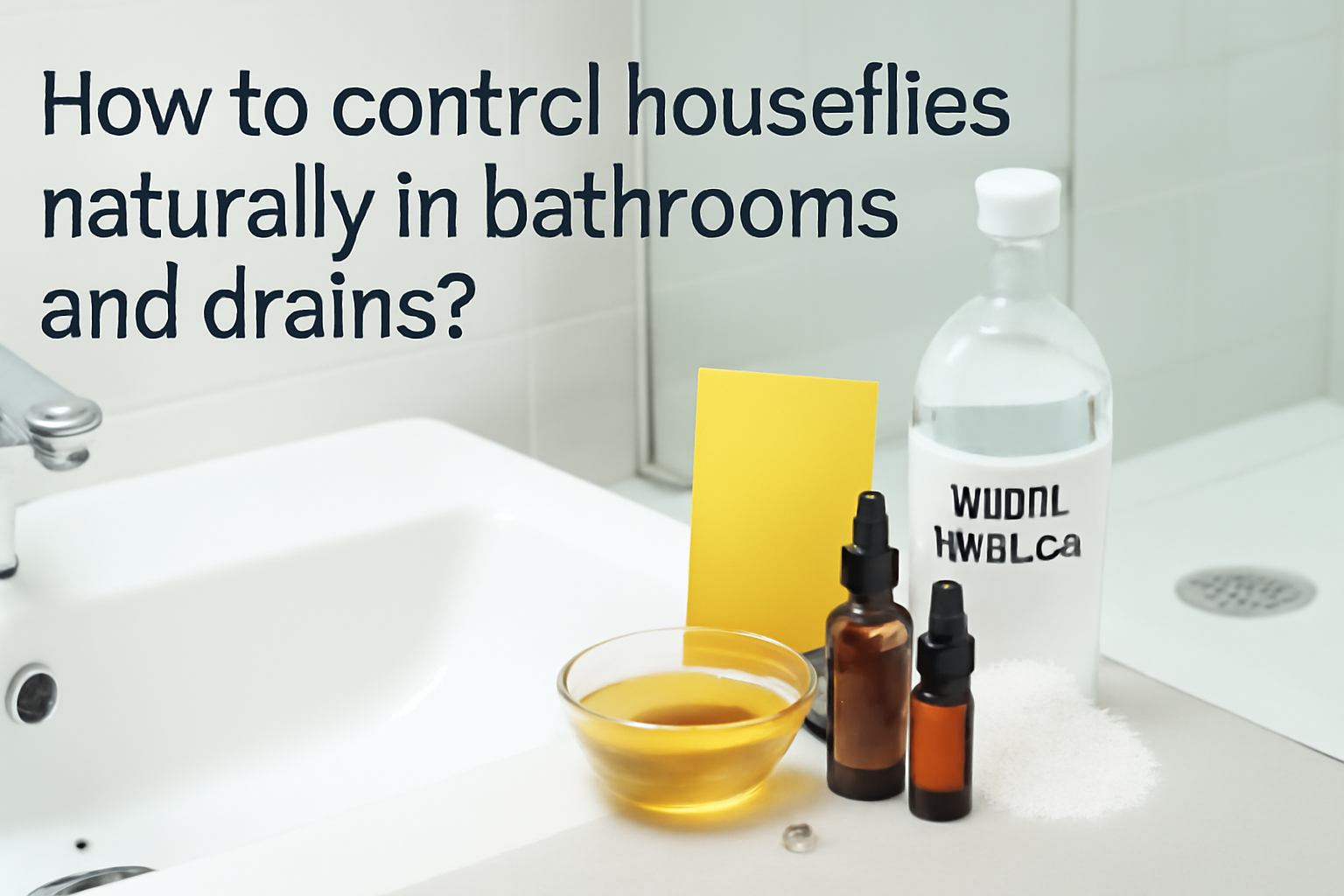
Bathroom flies are more than just annoying – they signal potential hygiene issues that need immediate attention. Natural control methods can eliminate these pests without exposing your family to harsh chemicals. This comprehensive guide provides 13 proven techniques to get rid of both houseflies and drain flies in your bathroom, addressing their sources and preventing future infestations.
Understanding Bathroom Fly Infestations: Houseflies vs. Drain Flies
Before implementing any control method, it’s crucial to identify exactly what type of fly has invaded your bathroom. Houseflies and drain flies require different approaches for effective elimination.
Houseflies (Musca domestica) are larger insects about 1/4 inch long with a gray thorax and four dark lines. They’re strong fliers that buzz loudly and typically enter from outside. In contrast, drain flies (Psychodidae) are tiny moth-like insects measuring 1/8 inch with fuzzy, leaf-shaped wings. They’re weak fliers that hover near drains and moist areas.
The distinction matters because each requires targeted control methods:
| Photo | Popular Pest Repellents | Price |
|---|---|---|

|
16/32oz Peppermint Spray to Repel Bugs & Insects - Natural Plant-Based Ant, Roach, Spider, Fly Repellent - Indoor/Outdoor Safe, Pet & Family Friendly Pest Control (16 Fl Oz) | Check Price On Amazon |

|
Nature's Dome Pest Control Starter Kit – Makes 3 Bottles (16 oz Each) – Eco-Friendly, Plant-Based Formula for Ant, Roach, Spider, Fly, Flea & Insect Control – Child & Pet Safe for Indoor/Outdoor Use | Check Price On Amazon |

|
(2025 Upgraded) Ultrasonic Insect & Pest Indoor Repeller – Stronger Driving Force, Plug-in Control Electronic Repellent for Roach, Mouse, Rodent, Bugs, Spider, Mice, Ant, 2 Mode Switching (6 Pack) | Check Price On Amazon |

|
LONYEON 8L Electric ULV Cold Fogger Machine with Backpack Mist Atomizer, Adjustable Flow Rate, Large Area Spraying for Home Indoor Outdoor | Check Price On Amazon |

|
Pest Control, Mouse Repellant Pouches, 10 Pack, Mice Repellent Indoor, Peppermint Oil for Rodents & Cucarachas & Spiders & Snakes, Safe Effective Rodent Repellent for Car Engines, RV, Home Use | Check Price On Amazon |
| Factor | Houseflies | Drain Flies |
|---|---|---|
| Size | 1/4 inch (6-7mm) | 1/8 inch (2-3mm) |
| Appearance | Gray with four thoracic stripes | Moth-like with fuzzy wings |
| Flight | Strong, direct flight | Weak, erratic hovering |
| Breeding Sites | Garbage, organic matter | Drain biofilm, moist areas |
| Primary Treatment | Entry prevention, traps | Drain cleaning, biofilm removal |
You might also encounter fruit flies in bathrooms, which are tiny reddish-brown flies with red eyes, attracted to sweet substances like soaps or shampoos. They’re often confused with drain flies but require different treatment approaches.
Now that you can properly identify whether you’re dealing with houseflies or drain flies, let’s explore why these pests are attracted to your bathroom specifically.
Why Flies Are Attracted to Your Bathroom: Root Causes of Infestations
Understanding why flies are attracted to bathrooms is essential for effective control. Different species are drawn to specific conditions that bathrooms often provide.
Bathrooms create perfect environments for flies due to constant moisture, organic matter, warmth, and limited airflow. According to research from the University of Kentucky’s Entomology Department, these conditions provide ideal breeding grounds for several fly species.
For houseflies, bathrooms offer:
- Moisture from sinks, showers, and toilets
- Organic matter (hair, skin cells, soap residue)
- Warmth from hot water usage
- Entry points through windows, vents, or gaps around pipes
For drain flies, bathrooms provide:
- Biofilm-lined drains perfect for egg-laying
- Constantly moist environments
- Organic matter accumulation in drains
- Protected breeding areas in seldom-used drains
Seasonal patterns also impact fly populations. I’ve observed that summer months typically see higher infestation rates due to increased temperatures accelerating breeding cycles. Warmer weather also means more open windows, providing additional entry points for houseflies to enter your home.
Biofilm: The Hidden Culprit in Drain Fly Breeding
A primary breeding ground for drain flies is the biofilm that forms inside drains and pipes – a substance rarely understood by homeowners.
Biofilm is a complex community of bacteria, fungi, algae, and other microorganisms embedded in a slimy, protective matrix. This substance forms when organic matter (hair, skin cells, soap) combines with water and attaches to drain surfaces.
Within 24-48 hours of initial attachment, microorganisms begin producing a protective slime layer. Over 1-2 weeks, this develops into a mature biofilm that can reach 1-5mm thickness in neglected drains.
Drain flies are specifically attracted to biofilm because:
- It provides a nutrient-rich food source for larvae
- Its moist environment prevents egg desiccation
- Its texture allows secure attachment for egg clusters
- It offers protection from water flow and cleaning attempts
Unlike regular soap scum or dirt, biofilm has a living, self-replenishing quality that makes it particularly persistent. It contains specific bacteria that drain fly larvae feed on, creating a symbiotic relationship that perpetuates infestations.
Understanding biofilm is crucial because many natural solutions specifically target this breeding medium.
Entry Points and Environmental Factors Attracting Houseflies
Unlike drain flies that may breed inside your plumbing, houseflies typically enter from outside and are attracted to your bathroom for specific environmental reasons.
Common bathroom entry points include:
- Windows without screens or with damaged screens
- Bathroom vents connecting to exterior areas
- Gaps around plumbing pipes or electrical conduits
- Door frames with insufficient weather stripping
- Cracks in walls, particularly in older homes
Environmental factors that specifically attract houseflies to bathrooms include:
- Moisture-rich environments (houseflies need water daily)
- Organic matter from personal care products
- Carbon dioxide from human breathing (particularly in smaller bathrooms)
- Bright lighting that attracts flies, especially in evening hours
Seasonal patterns significantly impact housefly presence. Summer months typically see 200-300% more housefly activity compared to winter. This explains why bathroom fly problems often worsen during warmer months.
Once you understand how and why houseflies enter your bathroom, you can implement both immediate elimination methods and preventive barriers.
Immediate Natural Solutions for Bathroom Fly Control
When facing an active fly infestation in your bathroom, these immediate natural solutions will provide quick relief while addressing the root causes.
Natural Traps and Baits for Quick Housefly Reduction
Natural traps and baits are highly effective for quickly reducing adult housefly populations in bathrooms without chemicals.
Apple cider vinegar trap: Mix 1/2 cup apple cider vinegar, 1 tablespoon sugar, and 5-10 drops of dish soap in a small bowl. The sweetened vinegar attracts flies while the soap breaks surface tension, causing them to drown. Place near windows or other fly gathering spots.
Honey water trap: Combine 2 tablespoons honey with 1 cup warm water and 3 drops of dish soap in a jar. Cover with plastic wrap, secure with a rubber band, and poke small holes in the top. The sweet scent attracts flies who enter but cannot escape.
Essential oil sticky trap: Apply 5-7 drops of clove, lavender, or eucalyptus oil to yellow sticky cards (available at garden centers). The color attracts flies while the scent draws them closer, creating a dual-action fly trap without strong odors.
For bathroom placement, position traps:
- Near windows where flies gather
- On countertops away from water sources
- Close to light sources that attract flies
- Not directly above drains where moisture may dilute baits
Success indicators include visible fly capture within 24-48 hours. Replace traps when they become full or every 3-5 days to maintain effectiveness.
While these traps effectively capture adult houseflies, you’ll also need to target potential breeding sites in your bathroom.
Natural Drain Treatments to Eliminate Breeding Sites
The most effective way to eliminate drain flies is to remove their breeding medium – the biofilm lining your drains.
Boiling water flush (for metal pipes only): Pour 1-2 quarts of boiling water slowly down the drain. Caution: Do not use on PVC pipes as it may cause damage. The heat disrupts biofilm and kills eggs and larvae immediately.
Baking soda and vinegar treatment: Pour 1/2 cup baking soda down the drain, followed by 1 cup white vinegar. Let bubble for 15-20 minutes, then flush with hot (not boiling) water. The foaming action helps dislodge biofilm while the acidic vinegar disrupts the bacterial environment.
Salt and baking soda overnight treatment: Mix 1/2 cup salt with 1/2 cup baking soda and pour down the drain. Let sit overnight, then flush with hot water in the morning. This treatment draws moisture from biofilm, dehydrating larvae and eggs.
For different drain types:
- Shower drains: Remove hair trap first, treat drain, then clean trap separately
- Sink drains: Remove stopper if possible before treatment
- Floor drains: May require larger quantities (double the recipe)
- Overflow drains: Use a turkey baster to apply solutions
Most drain treatments show results within 48-72 hours, with complete elimination typically requiring 5-7 days of consistent treatment. Multiple applications may be necessary for severe infestations.
These treatments target the breeding sources of drain flies, but eliminating houseflies requires additional environmental controls.
Comprehensive Natural Fly Control: 7-Day Elimination Plan
For persistent or severe fly infestations, follow this comprehensive 7-day plan using entirely natural methods to progressively eliminate the problem.
Day 1: Assessment and Initial Treatment
- Identify fly species (15 minutes)
- Set up appropriate traps (20 minutes)
- Perform first drain treatment (30 minutes)
- Remove all organic waste from bathroom (15 minutes)
Day 2: Deep Cleaning
- Clean all surfaces with vinegar solution (30 minutes)
- Refresh traps and count captured flies (10 minutes)
- Second drain treatment (20 minutes)
- Apply essential oil deterrent to entry points (15 minutes)
Day 3: Entry Point Management
- Inspect and seal all potential entry points (45 minutes)
- Check traps and replace if needed (10 minutes)
- Third drain treatment (20 minutes)
- Set up additional traps if needed (15 minutes)
Day 4: Target Remaining Adults
- Deploy strategic essential oil diffuser (10 minutes)
- Replace all traps with fresh ones (15 minutes)
- Fourth drain treatment (20 minutes)
- Clean all bathroom textiles (30 minutes)
Day 5: Environment Modification
- Improve ventilation (install fan if needed) (variable time)
- Apply natural repellents to problem areas (15 minutes)
- Final drain treatment (20 minutes)
- Check trap effectiveness (10 minutes)
Day 6: Secondary Site Treatment
- Treat connected areas (adjacent rooms) (30 minutes)
- Refresh repellents (10 minutes)
- Assess drain condition (15 minutes)
- Clean trap areas (15 minutes)
Day 7: Final Assessment and Prevention Setup
- Count flies (should be near zero)
- Establish ongoing prevention routine
- Set calendar reminders for maintenance
- Remove all but one monitoring trap
For different bathroom types, adjust as follows:
- Full bathrooms: Focus equally on drains and entry points
- Half bathrooms: Prioritize entry point sealing
- Bathrooms with windows: Add window treatments on Day 1
- Windowless bathrooms: Emphasize drain treatment and ventilation
Progress indicators include decreasing fly numbers each day, with a reduction of at least 50% by Day 3 and 90% by Day 6. If progress stalls, revisit the identification step to ensure you’re targeting the correct species.
Following this systematic approach will not only eliminate existing flies but begin establishing preventive measures for long-term control.
Essential Tools and Ingredients for Natural Fly Control
Before beginning your fly elimination plan, gather these essential natural ingredients and tools that you’ll need throughout the process.
Basic Ingredients:
- White vinegar (1 gallon) – Acidic properties disrupt biofilm
- Baking soda (2-3 boxes) – Creates foaming action when combined with vinegar
- Apple cider vinegar (16 oz) – Contains acetic acid and fruit scents that attract flies
- Essential oils (eucalyptus, lavender, clove, lemongrass) – Natural repellent compounds
- Dish soap (biodegradable preferred) – Breaks surface tension, causing flies to drown
- Salt (1-2 pounds) – Dehydrates larvae and disrupts biofilm
- Hydrogen peroxide (3% solution) – Oxidizing agent that breaks down organic matter
Necessary Tools:
- Spray bottles (2-3) – For applying vinegar solutions and essential oil mixtures
- Small bowls or jars – For creating traps
- Drain brush or zip tool – For mechanical biofilm removal
- Measuring cups and spoons – For precise solution preparation
- Sticky traps – Yellow cards attract and capture adult flies
- Flashlight – For inspecting drains and hidden areas
- Old toothbrush – For cleaning drain edges and overflow areas
If certain ingredients are unavailable, suitable substitutions include:
- Lemon juice instead of vinegar (slightly less effective but works)
- Any citrus essential oil in place of specific ones
- Borax instead of salt (use half the amount)
- Enzyme drain cleaner instead of homemade solutions
Most ingredients cost between $3-10 each, with a total project cost of approximately $35-50. Store leftover solutions in labeled containers away from children and pets.
With these supplies ready, you’ll be prepared to implement the full range of natural fly control methods without interruption.
Targeted Approaches for Different Bathroom Types
Different bathroom configurations present unique challenges for fly control. Adapt your approach based on your specific bathroom type.
Full Bathrooms vs. Half Bathrooms
Full bathrooms (with shower/tub) typically have more drains and moisture sources, requiring emphasis on comprehensive drain treatment. For these spaces, implement daily drain maintenance and use multiple traps positioned near each water fixture.
Half bathrooms (toilet and sink only) generally have fewer breeding sites but may experience more houseflies entering from other areas. Focus on entry point sealing and strategic trap placement near the door and windows.
Bathrooms With and Without Windows
Bathrooms with windows should use window screens with mesh smaller than 1.2mm (standard window screen is sufficient). Apply essential oil deterrents (10 drops in 2oz water) to window frames weekly and position traps on windowsills.
Windowless bathrooms require special attention to ventilation. Ensure exhaust fans are working properly and clean them monthly. These spaces may experience more moisture buildup, requiring twice-weekly drain treatments.
Limited Ventilation Bathrooms
For bathrooms with poor ventilation:
- Use moisture absorbers like DampRid
- Leave door open when possible to improve air circulation
- Consider a portable dehumidifier for extremely humid conditions
- Implement more frequent drain treatments (every 2-3 days)
- Wipe down surfaces daily to prevent moisture accumulation
Apartment Considerations
Apartment dwellers with limited plumbing access should:
- Focus on treatments that don’t require pipe disassembly
- Use enzymatic cleaners that work within the drain
- Coordinate with neighbors if possible, as flies may move between units
- Place extra emphasis on entry point sealing
- Consider notifying management if issues persist despite treatment
By customizing your approach to your specific bathroom configuration, you’ll maximize the effectiveness of natural fly control methods.
Preventive Maintenance: Keeping Flies Away Permanently
Prevention is always more effective than elimination. Implement these natural preventive measures to create a fly-resistant bathroom environment.
Regular Maintenance Schedule:
Daily tasks (2-3 minutes):
- Wipe down wet surfaces after showering
- Ensure drain stoppers are clean
- Empty trash containing organic waste
Weekly tasks (15-20 minutes):
- Pour 4 cups hot water down all drains
- Clean all surfaces with vinegar solution (1:1 vinegar to water)
- Check and clean exhaust fans
- Apply essential oil barrier to entry points
Monthly tasks (30-45 minutes):
- Deep clean all drains with baking soda/vinegar solution
- Inspect and repair window screens and door seals
- Check and clean overflow drains
- Refresh all traps and monitoring devices
Seasonal tasks (1-2 hours, quarterly):
- Deep clean entire bathroom including hidden areas
- Check and seal any potential entry points
- Clean exhaust fan housing (not just the cover)
- Inspect plumbing for leaks or condensation issues
For natural drain maintenance, rotate between these methods to prevent resistance:
- Week 1: Baking soda/vinegar treatment
- Week 2: Hot water flush
- Week 3: Enzyme treatment
- Week 4: Salt/baking soda treatment
This comprehensive natural pest prevention approach creates an environment where flies cannot thrive, but certain situations may require additional strategies.
Natural Repellents: Creating Fly-Resistant Bathrooms
Natural repellents create an invisible barrier that deters flies from entering or remaining in your bathroom, complementing your physical prevention methods.
Essential Oil Spray Repellent
Combine in a 16oz spray bottle:
- 1 cup water
- 1 tablespoon vodka or rubbing alcohol (as emulsifier)
- 15 drops eucalyptus oil
- 10 drops lemongrass oil
- 10 drops lavender oil
Shake well before each use. Spray around window frames, doorways, and other entry points every 2-3 days.
Herbal Deterrents
Fresh herbs can be potent fly repellents. Place small containers of:
- Fresh basil (flies particularly dislike this herb)
- Mint sprigs in small water cups
- Dried lavender in mesh bags
Citrus Peel Method
Save peels from oranges, lemons, or limes. Cut into 1-inch strips and place in a small dish on the bathroom counter. Replace every 2-3 days before they dry out. The natural oils in citrus peels contain d-limonene, which disrupts insect respiratory systems.
Natural Repellent Diffuser
Add 15-20 drops of clove, cinnamon, or eucalyptus oil to a small reed diffuser. Position near windows or other entry points. The continual release of aroma creates a barrier flies avoid crossing.
For maximum effectiveness, place repellents strategically:
- Near all entry points (windows, doors, vents)
- Close to, but not directly over, drains
- In corners where flies tend to rest
- On windowsills where flies gather
Most natural repellents remain effective for 2-3 days before needing refreshing. In high-humidity bathrooms, you may need to reapply daily for optimal results.
These natural repellents provide an additional layer of protection while making your bathroom smell fresh and clean.
Maintaining Fly-Free Drains: Monthly Prevention Routine
Preventing biofilm buildup through regular drain maintenance is the most effective way to prevent future fly problems. Follow this monthly routine for continuously clean drains.
Monthly Drain Cleaning Protocol:
Week 1: Deep Clean
- Remove drain covers/stoppers and clean thoroughly
- Pour 1/2 cup baking soda down drain
- Add 1 cup white vinegar and cover drain for 10 minutes
- Flush with 4 cups very hot (not boiling) water
- Use drain brush to scrub inside the drain opening
Week 2: Enzyme Treatment
- Purchase natural enzyme drain cleaner (look for “drain maintainer” products)
- Apply according to package directions, typically at night when drain won’t be used
- These natural bacteria consume biofilm without harmful chemicals
- Most effective when used consistently
Week 3: Maintenance Flush
- Pour 1/4 cup salt down the drain
- Follow with 2 cups hot water
- The salt helps prevent new biofilm formation
- Particularly effective for shower drains
Week 4: Steam Treatment (Optional)
- If available, use a steam cleaner with drain attachment
- Apply steam directly into drain for 30-60 seconds
- The high heat kills eggs and larvae while loosening buildup
- Alternatively, use very hot water if steam cleaner unavailable
For different drain types:
- Shower drains: Focus on hair removal before treatment
- Sink drains: Pay special attention to overflow drains
- Floor drains: These require more solution due to larger diameter
- Seldom-used drains: Treat monthly regardless of usage
During summer months, increase maintenance frequency to bi-weekly, as warmer temperatures accelerate biofilm growth and fly breeding cycles.
A consistent maintenance routine keeps drains clean and inhospitable to flies, but environmental factors also need attention.
Bathroom Ecosystem Management: Beyond Basic Fly Control
Advanced fly prevention requires thinking about your bathroom as a complete ecosystem where multiple factors interact to either attract or repel pests.
The bathroom microbiome – the community of microorganisms in your bathroom – plays a crucial role in fly attraction. Rather than trying to eliminate all bacteria (impossible and potentially harmful), focus on creating a balanced microbiome that doesn’t support pest species.
Humidity management is essential for ecosystem balance. Maintain bathroom humidity below 60% using:
- Exhaust fans run for 20-30 minutes after showering
- Dehumidifiers in naturally damp bathrooms
- Moisture-absorbing products like DampRid or silica gel containers
- Strategic air circulation improvements
Air circulation disrupts the stable, moist environment flies prefer for breeding. Improve airflow by:
- Keeping doors open when possible
- Using small circulation fans
- Ensuring vents aren’t blocked by towels or decor
- Considering louvered doors that allow airflow while maintaining privacy
Lighting significantly impacts fly behavior. Since most flies are attracted to UV light, consider:
- Using yellow “bug lights” in bathroom fixtures
- Installing motion-sensor lights to minimize continuous attraction
- Keeping windows covered during peak fly activity (afternoon hours)
- Using LED lights, which attract fewer insects than incandescent bulbs
Beneficial microorganism approaches represent the cutting edge of natural pest control. Probiotic cleaning products contain beneficial bacteria that outcompete harmful biofilm-forming species. I’ve found these particularly effective in shower drains with persistent issues.
This ecosystem approach creates sustainable, long-term protection against flies while improving overall bathroom health.
Ventilation Improvements for Natural Fly Control
Poor ventilation creates ideal conditions for fly infestations. Improving airflow is a powerful but often overlooked natural fly prevention strategy.
To assess your bathroom ventilation, conduct this simple test: Place a single square of toilet paper against the exhaust fan while running. The paper should hold firmly in place. If it falls, your fan isn’t providing adequate airflow.
For natural ventilation improvement:
- Clean exhaust fan covers monthly (they typically trap 30-40% of dust that restricts airflow)
- Consider upgrading to higher CFM (cubic feet per minute) rated fans
- Keep bathroom doors open when possible to create cross-ventilation
- Install an additional passive vent if building codes permit
- Use window fans to actively pull moisture out after showering
For fan maintenance and optimization:
- Remove cover and vacuum dust from fan blades quarterly
- Check that vent pipes are properly connected and unobstructed
- Ensure ductwork is insulated if it runs through attic spaces
- Verify exterior vent flaps are functioning correctly
- Consider timer switches that run fans for preset periods
Window treatments significantly impact airflow. In fly-prone bathrooms:
- Use light, breathable curtains instead of heavy drapes
- Install top and bottom opening windows where possible
- Consider removing window treatments entirely during problem periods
- Use window fans during and after showers
By reducing humidity from 80-90% (typical post-shower) to below 60%, you create conditions where fly eggs cannot develop properly and existing larvae struggle to survive.
Proper ventilation works synergistically with other natural methods by creating an environment where flies cannot thrive.
Integrating Fly Prevention with Eco-Friendly Cleaning Routines
An effective fly prevention strategy integrates seamlessly with eco-friendly bathroom cleaning routines, addressing multiple aspects simultaneously.
For an optimized cleaning routine that prevents flies:
Daily Quick Clean (3-5 minutes)
- Wipe down shower walls with squeegee to remove moisture
- Spray surfaces with diluted vinegar solution (1:3 vinegar to water)
- Wipe sink basin dry after use
- Ensure no standing water remains in any containers
Weekly Deep Clean (20-30 minutes)
- Clean all surfaces with vinegar-based cleaner
- Flush drains with hot water followed by 1/2 cup vinegar
- Wash bathroom textiles (towels, rugs) that may harbor moisture
- Clean toilet thoroughly, including often-missed under-rim areas
- Wipe down all containers of soaps and shampoos
Recommended natural cleaning products:
- Castile soap: Effective cleaner without residue that attracts flies
- Vinegar-based cleaners: The acidic nature deters flies
- Baking soda pastes: For scrubbing without chemical residues
- Enzyme cleaners: Break down organic matter flies feed on
- Essential oil disinfectants: Clean while creating repellent effect
Pay special attention to these often-missed areas where flies may breed:
- Overflow drains in sinks (use pipe cleaner with vinegar)
- Behind toilets where condensation may collect
- Under freestanding sinks or vanities
- Corner seams where moisture may accumulate
- Gaps between shower/tub and wall
For homemade alternatives, this all-purpose bathroom cleaner prevents flies while cleaning effectively:
- 2 cups water
- 1/4 cup white vinegar
- 2 tablespoons baking soda (add slowly)
- 15 drops tea tree oil
- 10 drops lemon or eucalyptus essential oil
This integrated approach maintains a clean bathroom while simultaneously preventing conditions that attract flies.
Troubleshooting Persistent Fly Problems
If flies persist despite implementing the recommended natural controls, use this troubleshooting guide to identify and address underlying issues.
Diagnostic assessment:
Answer these questions to identify the source of persistent problems:
- Are you seeing adult flies but no reduction after treatment? (Indicates external source)
- Do flies return within 48 hours of disappearing? (Suggests nearby breeding site)
- Are flies concentrated around specific areas? (Points to localized issue)
- Have you correctly identified the species? (Different flies require different approaches)
- Do problems worsen at specific times of day/year? (Indicates entry point or seasonal issue)
Common reasons for treatment failure:
1. Biofilm too established: Long-standing biofilm may be too thick for basic treatments. Solution: Use mechanical removal with drain brush followed by enzyme treatments for 3-5 consecutive days.
2. Hidden breeding sites: Flies may breed in areas you haven’t treated. Solution: Check for leaks under sinks, condensation behind toilets, standing water in seldom-used fixtures, or adjacent rooms.
3. Incorrect species identification: House flies and drain flies require different approaches. Solution: Re-verify species using identification guide and adjust strategy accordingly.
4. Plumbing issues: Cracked pipes or improper p-trap installation can create hidden moisture. Solution: Check for water stains, musty odors, or unexplained dampness that might indicate plumbing problems.
5. External sources: Flies may be entering from outside rather than breeding in your bathroom. Solution: Install door sweeps, repair window screens, and seal gaps around pipes entering walls.
For persistent biofilm problems, try this intensive approach:
- Pour 1 cup of hydrogen peroxide down the drain
- Wait 30 minutes
- Follow with 1/2 cup baking soda
- Add 1 cup white vinegar
- Cover drain for 30 minutes
- Flush with very hot water
- Repeat daily for 3 days
Most persistent fly problems have specific causes that, once identified, can be addressed with targeted natural approaches.
When to Consider Professional Help
While most bathroom fly problems can be resolved with natural DIY methods, certain situations may warrant professional assistance.
Warning signs that indicate potential serious underlying issues include:
- Persistent infestations lasting more than 2 weeks despite diligent treatment
- Sudden, extremely large fly populations appearing overnight
- Water damage, musty odors, or visible mold accompanying fly problems
- Flies emerging from walls, ceilings, or areas without obvious moisture
- Multiple fly species appearing simultaneously in large numbers
When DIY methods prove insufficient, it’s usually due to:
- Hidden plumbing leaks requiring specialized detection equipment
- Infestations inside wall voids or ceiling spaces
- Sewer line breaks or damage requiring professional repair
- Multi-unit building issues where source is in adjacent unit
- Structural issues allowing constant exterior entry
To find eco-friendly pest control professionals:
- Search specifically for companies advertising “natural,” “eco-friendly,” or “IPM” approaches
- Check certification with organizations like Green Shield or EcoWise
- Read reviews specifically mentioning non-chemical methods
- Ask for references from clients with similar fly issues
Questions to ask potential service providers:
- “What natural treatment options do you offer for fly control?”
- “Will you identify the root cause before treatment?”
- “Do you provide ongoing prevention plans?”
- “What monitoring will you do to ensure complete elimination?”
- “Are your methods safe for children, pets, and sensitive individuals?”
Even when seeking professional help, you can request natural treatment methods that align with your preference for chemical-free solutions.
Special Considerations: Pet-Safe and Child-Friendly Approaches
When implementing natural fly control in bathrooms used by children or pets, additional safety considerations are necessary to ensure all methods are completely harmless.
Most natural fly control methods are inherently safer than chemical alternatives, but some require modification for maximum safety around vulnerable family members.
For households with young children:
- Use sealed traps instead of open containers to prevent accidental contact
- Store essential oils in childproof containers
- Dilute essential oil sprays to half-strength (still effective but less irritating)
- Schedule drain treatments when children won’t use the bathroom for several hours
- Use sticky traps only in areas completely inaccessible to curious hands
- Consider placing herbal deterrents in wall-mounted holders out of reach
For pet-safe alternatives:
- Avoid clove and tea tree oils, which can be toxic to cats
- Use lemon, lavender, or basil as safer alternatives
- Place traps where pets cannot access them
- Ensure all drains are thoroughly rinsed after treatments
- Use physical barriers like drain covers rather than constant treatments
- Consider pet-safe houseplants that repel flies as an additional measure
For timing considerations:
- Apply treatments before bedtime to allow overnight action
- Use weekend treatments when children may be away from home longer
- Ensure good ventilation during and after application
- Schedule intensive treatments during vacations when possible
Safe storage is critical:
- Keep all natural pesticides in original containers
- Store in high cabinets with childproof locks
- Label all homemade solutions clearly
- Dispose of used traps promptly in sealed containers
These adapted approaches maintain effectiveness while ensuring the safety of every family member, including pets.
Natural Fly Control for People with Sensitivities and Allergies
For individuals with chemical sensitivities, allergies, or respiratory concerns, certain natural ingredients may still cause reactions. These alternative approaches offer gentle yet effective solutions.
For essential oil sensitivities:
- Use fresh herbs instead (mint, basil, lavender)
- Try citrus peels, which contain natural repellents but release them more gradually
- Consider water-based diffusion methods rather than direct oil application
- Use extremely diluted versions (1-2 drops per cup of water)
- Test single oils individually to identify which ones cause reactions
Hypoallergenic trap options:
- Plain white vinegar traps (less effective but less allergenic than apple cider vinegar)
- Light traps using LED lights (completely scent-free)
- Unscented sticky traps placed in strategic locations
- Simple soap and water traps (2 drops unscented castile soap in water)
Low-odor drain treatments:
- Hot water flushing (effective but may require more frequent application)
- Baking soda followed by diluted lemon juice (gentler than vinegar)
- Mechanical cleaning with drain brushes (physical removal rather than chemical)
- Enzymatic cleaners specifically labeled “fragrance-free” or “for sensitive individuals”
For respiratory sensitivity concerns:
- Ensure excellent ventilation during and after any treatment
- Apply treatments when sensitive individuals are away from home
- Focus on physical prevention (screens, drain covers) rather than repellents
- Consider using HEPA air purifiers during treatment periods
- Test small applications in well-ventilated areas before full application
Always test any new substance in a small area first, waiting 24 hours to observe for any reactions. Start with the mildest options and progress to stronger treatments only if necessary.
These gentle approaches demonstrate that effective fly control is possible regardless of sensitivity concerns.
Comparing Effectiveness: Natural vs. Chemical Fly Control Methods
Many homeowners wonder if natural fly control methods can truly match the effectiveness of chemical options. This evidence-based comparison reveals the true capabilities of natural approaches.
| Factor | Natural Methods | Chemical Methods |
|---|---|---|
| Initial Effectiveness | Moderate (24-72 hours) | High (1-24 hours) |
| Long-term Effectiveness | High (addresses root causes) | Low-Moderate (requires reapplication) |
| Safety Profile | Very High | Low-Moderate (toxicity concerns) |
| Environmental Impact | Minimal | Significant (water contamination) |
| Cost Over Time | $35-75 initial, $10-15/month maintenance | $20-40 initial, $15-30/month ongoing |
| Resistance Development | Very Low | Moderate-High (documented resistance) |
Research from the Journal of Economic Entomology shows that while chemical methods often provide faster initial knockdown of adult flies, natural methods that target breeding sites typically prevent reinfestation more effectively. A 2019 study found that comprehensive drain biofilm removal prevented fly recurrence for 3-4 times longer than surface insecticide applications.
The speed versus safety tradeoff is significant. Chemical pesticides may kill adult flies within hours, but studies from the Environmental Working Group show residues can remain active in bathroom environments for weeks, potentially exposing family members repeatedly.
From a cost perspective, natural methods often require a higher initial investment but lower long-term expenses. Chemical treatments typically require more frequent reapplication, with costs averaging 30-40% higher over a six-month period.
Health considerations heavily favor natural approaches. A 2020 report from the American Academy of Pediatrics specifically recommends non-chemical pest control in households with children due to potential developmental impacts of pesticide exposure.
For long-term effectiveness, a 2-year study by the University of California found that homes using integrated natural methods experienced 85% fewer recurring insect problems compared to those relying solely on chemical controls.
This comparison demonstrates that natural methods can be equally effective while offering significant advantages in safety and environmental impact.
Conclusion: Creating Your Customized Natural Fly Control Plan
Now that you understand the comprehensive approach to natural fly control in bathrooms, it’s time to create your personalized action plan based on your specific situation.
Start by determining your primary fly type – either drain flies breeding in your plumbing or houseflies entering from elsewhere. Then, select the most appropriate combination of methods based on your bathroom configuration, sensitivity concerns, and the severity of your infestation.
For immediate action, implement these key strategies:
- Set up appropriate traps based on fly identification
- Begin drain treatment with baking soda and vinegar
- Apply essential oil barriers at entry points
- Improve ventilation to reduce humidity
- Remove all organic waste and standing water
For long-term prevention, establish this maintenance routine:
- Weekly drain cleaning rotation
- Monthly deep cleaning of problem areas
- Seasonal entry point inspection
- Ongoing monitoring with occasional traps
- Regular bathroom ecosystem management
Remember that consistency is more important than intensity. Regular maintenance prevents problems before they start, while sporadic intensive treatments often lead to recurring issues.
The most successful approach combines multiple complementary methods rather than relying on a single solution. By addressing attraction factors, breeding sites, entry points, and environmental conditions simultaneously, you create a comprehensive system that keeps flies away permanently.
With these natural strategies, you can maintain a fly-free bathroom while protecting your family’s health and the environment – proving that effective pest control doesn’t require toxic chemicals or professional intervention.
