
How To Encourage Natural Predators Against Slugs? Pro Tips

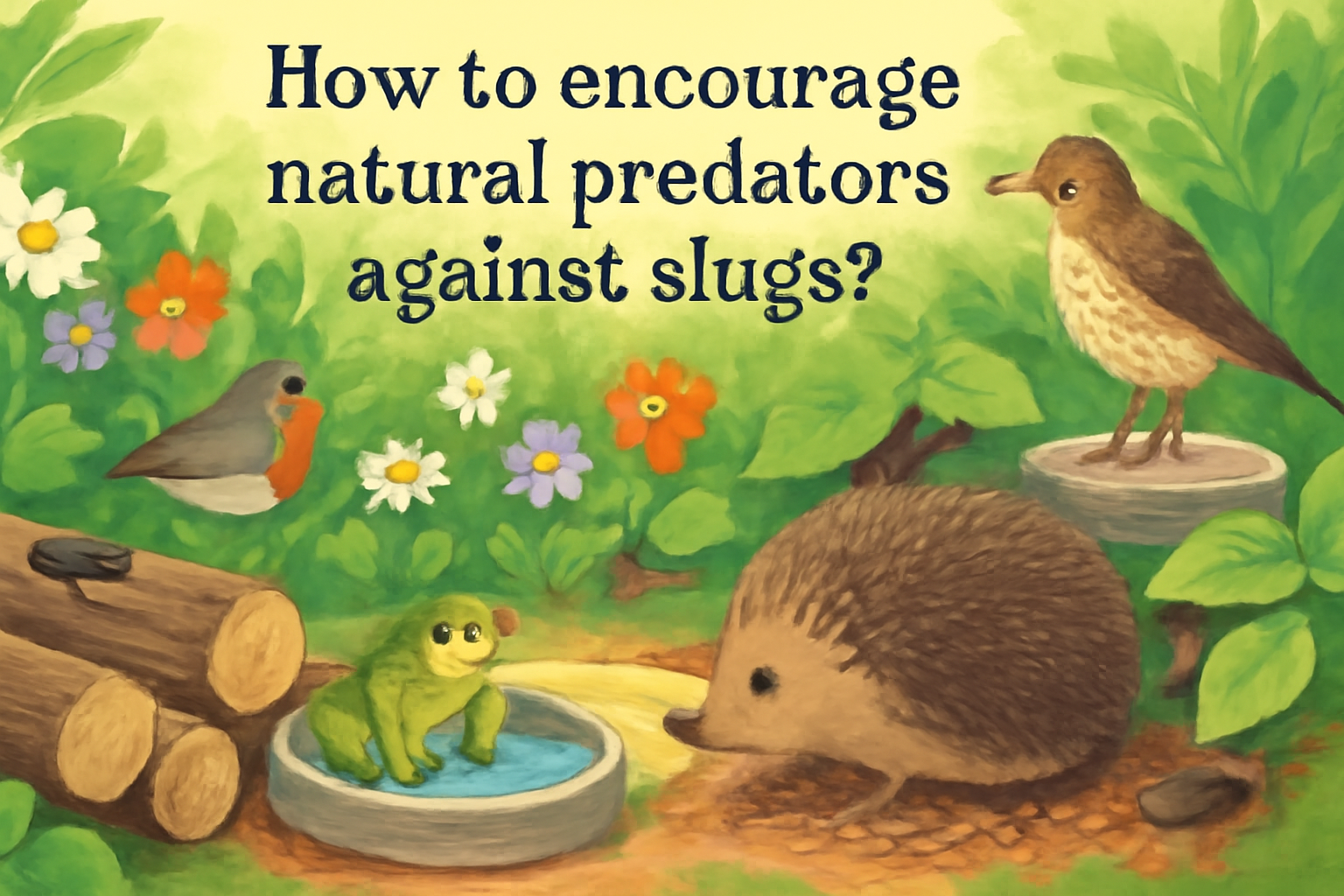
Natural slug predators are beneficial wildlife species that actively hunt and consume slugs as part of their regular diet, providing ongoing pest control without human intervention. This biological approach creates sustainable, long-term slug management that becomes more effective over time. You will learn how to attract ground beetles, birds, amphibians, and other predators through strategic habitat creation, seasonal implementation timing, and integration with existing garden management practices.
What Are Natural Slug Predators and How Do They Control Garden Pests?
Natural slug predators are beneficial wildlife species that actively hunt and consume slugs as part of their regular diet, providing ongoing pest control without human intervention. These predators include ground beetles (carabids and rove beetles), birds (thrushes, robins, blackbirds), amphibians (frogs, toads, newts), mammals (hedgehogs, shrews), reptiles (slow worms), and arthropods (centipedes, ground spiders, harvestmen).
According to research from University Extension programs, a single carabid beetle can consume over 50 slugs during a growing season. Song thrushes consume up to 15 slugs per day during peak feeding periods. Toads and frogs provide crucial nighttime hunting when slug activity reaches maximum levels.
These predators use varied hunting mechanisms including nocturnal active searching, daytime visual foraging, and ambush predation near moisture sources. Unlike chemical controls that require repeated application, predator populations become self-sustaining once established. The ecosystem balance created prevents slug population explosions while supporting beneficial wildlife diversity.
| Photo | Popular Pest Repellents | Price |
|---|---|---|
 | 16/32oz Peppermint Spray to Repel Bugs & Insects - Natural Plant-Based Ant, Roach, Spider, Fly Repellent - Indoor/Outdoor Safe, Pet & Family Friendly Pest Control (16 Fl Oz) | Check Price On Amazon |
 | Nature's Dome Pest Control Starter Kit – Makes 3 Bottles (16 oz Each) – Eco-Friendly, Plant-Based Formula for Ant, Roach, Spider, Fly, Flea & Insect Control – Child & Pet Safe for Indoor/Outdoor Use | Check Price On Amazon |
 | (2025 Upgraded) Ultrasonic Insect & Pest Indoor Repeller – Stronger Driving Force, Plug-in Control Electronic Repellent for Roach, Mouse, Rodent, Bugs, Spider, Mice, Ant, 2 Mode Switching (6 Pack) | Check Price On Amazon |
 | LONYEON 8L Electric ULV Cold Fogger Machine with Backpack Mist Atomizer, Adjustable Flow Rate, Large Area Spraying for Home Indoor Outdoor | Check Price On Amazon |
 | Pest Control, Mouse Repellant Pouches, 10 Pack, Mice Repellent Indoor, Peppermint Oil for Rodents & Cucarachas & Spiders & Snakes, Safe Effective Rodent Repellent for Car Engines, RV, Home Use | Check Price On Amazon |
Primary Slug Predator Categories and Their Hunting Behaviors
Different predator groups hunt slugs using distinct strategies, making it beneficial to encourage multiple species for comprehensive control. Ground-dwelling hunters like carabid beetles and centipedes conduct active nocturnal searches, covering 20-30 square feet per night according to entomological studies.
Aerial hunters including thrushes and robins forage visually during daylight hours, with peak activity occurring 2-3 hours after sunrise. Ambush predators such as toads and frogs position themselves near moisture sources, striking when slugs approach water or shelter areas.
Seasonal activity patterns vary significantly among predator types. Ground beetles remain active from April through October in temperate climates. Bird predation peaks during spring breeding season (March-June) when protein demands increase. Amphibian hunting intensifies during warm, humid conditions from May through September.
Why Multi-Predator Systems Work Better Than Single-Species Approaches
Research from university extension programs demonstrates that gardens supporting diverse predator communities achieve 60-80% better slug control than single-predator environments. Multiple predator species provide redundancy when individual populations decline due to weather, disease, or habitat changes.
Different predators remain active during complementary time periods and seasons. Ground beetles hunt primarily at night while birds forage during daylight hours. Spring-active birds handle early season populations while summer-active amphibians control peak slug reproduction periods.
Complementary hunting behaviors ensure comprehensive coverage of slug hiding spots. Birds search open areas and plant surfaces while ground beetles investigate soil cracks and mulch layers. This layered approach follows integrated pest management principles that emphasize multiple control mechanisms working simultaneously.
How to Create the Perfect Habitat for Ground Beetle Slug Control
Ground beetles, particularly carabid beetles, are among the most effective slug predators, with a single beetle capable of consuming 50+ slugs per season when provided with proper habitat. Creating beetle-friendly environments requires specific shelter construction, moisture management, and native plant integration.
Construct log piles using untreated hardwood logs 6-18 inches in diameter, stacked with 2-4 inch gaps for beetle access and egg-laying sites. Position stone walls and rock piles with varied stone sizes (2-12 inches) creating multiple microhabitats for different beetle species.
Apply organic mulch 2-4 inches deep around garden beds, using materials like shredded hardwood, composted leaves, or aged wood chips. According to research from the University of California IPM program, proper mulch depth maintains 70-80% soil moisture levels that support beetle reproduction and overwintering survival.
Plant native groundcover species within 10-15 feet of beetle shelters to provide nectar sources for adult beetles and habitat for secondary prey insects. Space shelter elements 15-20 feet apart throughout garden areas to create interconnected beetle territories without overcrowding.
| Shelter Type | Materials | Dimensions | Maintenance |
|---|---|---|---|
| Log Pile | Hardwood logs, untreated | 4x4x2 feet minimum | Add logs annually |
| Stone Wall | Mixed stone sizes | 2-3 feet high, 18 inches wide | Reset stones every 2-3 years |
| Mulch Bed | Organic matter | 2-4 inches deep | Refresh twice yearly |
Building Beetle-Friendly Log Piles and Stone Shelters
Properly constructed beetle shelters require specific materials and positioning to create the cool, moist microclimates these predators need for breeding and overwintering. Select untreated hardwood logs from oak, maple, or hickory species, avoiding softwoods that decay too quickly or treated lumber containing beetle-toxic chemicals.
Layer logs with alternating directions to create air gaps 2-6 inches wide for beetle movement and egg-laying access. Position the bottom layer directly on soil to facilitate moisture transfer and ground-dwelling beetle access. Place subsequent layers perpendicular to lower logs, creating maximum interior space.
Construct stone piles using a foundation of larger stones (8-12 inches) with progressively smaller stones (2-6 inches) filling gaps and creating upper layers. Position stone shelters in partial shade locations receiving 4-6 hours of morning sunlight but afternoon protection from excessive heat.
Locate shelters within 20 feet of vegetable beds or areas with known slug problems for maximum hunting efficiency. Maintain shelters by adding fresh logs every 12-18 months as existing wood decomposes, and reset stone piles every 2-3 years to prevent settling.
Native Ground Cover Plants That Support Beetle Populations
Specific native plants provide the nectar, pollen, and secondary prey that sustain adult beetle populations throughout the growing season. In temperate regions, plant wild bergamot, native asters, and goldenrod species that bloom from spring through fall, ensuring continuous food sources.
Warm climate gardens benefit from native sedums, coreopsis, and blanket flower that attract small insects while providing beetle nectar sources. Cool climate areas should emphasize native violets, wild ginger, and native mint species that thrive in partial shade near beetle shelters.
Plant groundcover species in clusters of 3-5 plants spaced 12-18 inches apart around beetle shelter perimeters. Dense growth patterns create hunting corridors while extended bloom periods from April through October support beetle reproduction and population growth. Choose plants with small flowers that attract aphids, small flies, and other insects that serve as secondary prey for beetles.
Which Birds Eat Slugs and How to Attract Them to Your Garden?
Song thrushes, robins, blackbirds, and several other common garden birds actively hunt slugs, with thrushes being particularly effective due to their specialized technique of breaking snail shells on stones. Thrushes consume 10-15 slugs daily during breeding season, while robins take 5-8 slugs per day when feeding nestlings.
Blackbirds and starlings forage extensively in mulched areas, turning over organic matter to find hidden slugs and eggs. According to Royal Society for the Protection of Birds research, gardens supporting diverse bird populations reduce slug damage by 40-60% compared to bird-free environments.
Attract slug-hunting birds by providing varied habitat including water features for drinking and bathing, native plants producing seeds and berries, and nesting sites positioned 6-12 feet above ground. Install shallow basins 1-3 inches deep within 15-20 feet of slug-prone garden areas to draw birds directly to hunting zones.
Plant native berry-producing shrubs like elderberry, serviceberry, and native viburnums that provide supplemental nutrition supporting year-round bird populations. These permanent food sources ensure birds remain in the area even when slug populations fluctuate seasonally.
| Bird Species | Daily Slug Consumption | Peak Activity | Preferred Habitat |
|---|---|---|---|
| Song Thrush | 10-15 slugs | Early morning | Open areas with stone perches |
| Robin | 5-8 slugs | Dawn and dusk | Mulched beds, lawn edges |
| Blackbird | 8-12 slugs | Mid-morning | Dense shrubs with open foraging areas |
Creating Water Features That Attract Slug-Hunting Birds
Shallow water features positioned strategically near slug-prone areas provide drinking and bathing opportunities that attract birds while placing them where slug hunting is most beneficial. Design water basins 18-24 inches in diameter with sloped sides and maximum depth of 3 inches for bird safety and accessibility.
Use materials like ceramic, concrete, or natural stone that provide non-slip surfaces and easy cleaning access. Position water features 10-15 feet from dense shrub cover that offers bird escape routes while maintaining open sight lines for predator detection.
Install multiple water sources throughout larger gardens, spacing them 40-50 feet apart to serve different bird territories and hunting zones. Include a shallow area 0.5-1 inch deep for smaller songbirds and a deeper section 2-3 inches for larger species like thrushes and blackbirds.
Maintain water features by cleaning every 3-5 days during warm weather to prevent algae growth and mosquito breeding. Add fresh water daily during hot periods and position features to receive 2-3 hours of morning sunlight for natural disinfection while avoiding all-day sun exposure that causes rapid evaporation.
Native Plants That Provide Bird Food and Attract Secondary Slug Prey
Strategic native plant selection creates a food web that sustains bird populations year-round while attracting insects that draw more birds to slug hunting areas. Seed-producing plants like native sunflowers, coneflowers, and black-eyed Susan provide high-energy nutrition during fall and winter months when insect availability decreases.
Berry-producing shrubs including native dogwood, sumac, and rose species offer seasonal food sources from mid-summer through early winter. Plant these species 15-25 feet from slug-prone vegetable beds to create bird staging areas adjacent to hunting zones.
Include plants that attract aphids, small caterpillars, and other soft-bodied insects that serve as secondary prey drawing birds closer to garden beds. Native milkweed, goldenrod, and aster species support beneficial insect populations while providing bird nutrition that supplements slug hunting activities.
Design seasonal succession by combining early-blooming species like native cherry and serviceberry with mid-season bloomers such as elderberry and late-season producers including rose hips and sumac berries, ensuring 8-10 months of continuous food availability.
How to Encourage Amphibians for Effective Nighttime Slug Control
Frogs, toads, and newts provide crucial nighttime slug control, hunting during peak slug activity hours when other predators are less active. A single adult toad consumes 50-100 slugs per night during optimal hunting conditions, making amphibians among the most effective individual predators.
Create amphibian habitat by installing shallow ponds 2-4 feet in diameter with depth zones ranging from 6 inches to 24 inches maximum. Include bog garden areas with consistently moist soil and dense vegetation cover within 20-30 feet of water features for terrestrial habitat needs.
Amphibians require chemical-free environments due to their permeable skin that absorbs toxins directly from soil and water. Eliminate synthetic fertilizers, pesticides, and herbicides within 50 feet of amphibian habitat to prevent population declines and reproductive failures.
According to studies from the North American Amphibian Monitoring Program, gardens supporting breeding amphibian populations achieve 70-85% reduction in nighttime slug feeding damage compared to amphibian-free environments. Establish connecting corridors between water features using moisture-retaining ground cover to facilitate amphibian movement throughout garden areas.
| Amphibian Type | Slug Consumption | Habitat Requirements | Active Period |
|---|---|---|---|
| American Toad | 50-100 per night | Shallow pond, dry shelter | Dusk to dawn, April-October |
| Tree Frog | 20-40 per night | Vegetation near water | Evening hours, May-September |
| Newt | 15-25 per night | Permanent water, leaf litter | Night and early morning |
Designing Amphibian-Friendly Water Gardens and Bog Areas
Successful amphibian breeding habitat requires shallow areas, varied depths, and specific vegetation that provides egg-laying sites and juvenile development areas. Excavate pond areas with graduated slopes creating zones from 2 inches deep at edges to maximum 18-24 inches in center sections for temperature regulation and predator escape.
Install flexible pond liner using EPDM rubber rated for 20+ year lifespan, avoiding PVC liners that may leach chemicals harmful to amphibians. Create bog garden extensions by excavating additional areas 6-8 inches deep, filling with equal parts sand and organic compost for consistent moisture retention without standing water.
Plant aquatic vegetation including native cattails, arrowhead, and water lilies that provide egg-laying surfaces and juvenile hiding cover. Add marginal plants like native sedges, monkey flower, and cardinal flower around pond edges to create transition zones between aquatic and terrestrial habitats.
Maintain seasonal water levels by adding water during dry periods to prevent complete drying while allowing natural winter level reduction for ice expansion protection. Install overflow drainage to prevent flooding during heavy rains that can wash away eggs and juvenile amphibians.
Creating Terrestrial Amphibian Shelter and Overwintering Sites
Amphibians require cool, moist terrestrial retreats for daily shelter and protected sites for winter hibernation to maintain year-round garden populations. Construct shelter areas using stacked flat stones, untreated wood pieces, or overturned clay pots partially buried in shaded locations.
Build overwintering habitat by excavating areas 18-24 inches deep, filling with loose organic matter like leaf mold, compost, and small twigs that allow amphibian burrowing while preventing complete freezing. Position overwintering sites on slight slopes to ensure drainage while maintaining moisture levels.
Create moisture management systems using soaker hoses or drip irrigation to maintain 60-70% soil moisture levels around terrestrial shelters during dry periods. Mulch shelter areas with 4-6 inches of organic matter to insulate and retain moisture while providing additional invertebrate habitat that serves as amphibian food sources.
Protect shelters from disturbance by marking locations and avoiding area cultivation or cleanup from October through March when amphibians remain dormant. Schedule shelter maintenance for late summer when amphibians are active and can relocate before hibernation periods begin.
What Mammals and Reptiles Control Slugs Naturally?
Hedgehogs, shrews, and slow worms provide significant slug control in suitable habitats, though encouraging these species requires different strategies than birds or amphibians. Hedgehogs consume 200-300 slugs per night during peak foraging periods, making them extremely effective individual predators where populations exist.
Shrews hunt continuously throughout day and night cycles, consuming their body weight in insects and slugs every 3-4 hours. Slow worms (legless lizards) specialize in hunting slugs in soil and mulch layers, consuming 15-20 slugs per day during warm weather periods.
Encourage rather than introduce these species since most regions have legal restrictions on wildlife relocation. Create suitable habitat through dense ground cover plantings, brush pile construction, and undisturbed garden areas where natural populations can establish and expand.
Monitor for presence through tracking signs including hedgehog droppings (dark, cylindrical, containing insect parts), shrew tunnels in mulch areas, and slow worm sightings in compost piles or under log shelters. Populations establish slowly but provide substantial long-term slug control once territories are established.
How to Support Arthropod Slug Predators (Spiders, Centipedes, and Ground-Dwelling Hunters)
Centipedes, ground spiders, and harvestmen provide continuous slug predation throughout the growing season, requiring minimal habitat investment for substantial pest control returns. Large centipedes consume 10-15 small slugs per week while hunting in soil and mulch layers during nighttime hours.
Create arthropod habitat through strategic mulch management, maintaining 2-4 inch depths of organic matter like shredded leaves, aged wood chips, or composted bark. Avoid frequent mulch disturbance that destroys arthropod eggs and developing stages essential for population maintenance.
Establish overwintering habitat using brush piles, leaf accumulations, and undisturbed garden corners where arthropods can survive freezing temperatures. According to entomological research, gardens maintaining year-round arthropod habitat show 3-4 times higher predator populations than annually disturbed areas.
Maintain chemical-free zones since arthropods suffer rapid population declines from pesticide exposure. Even organic-approved products like pyrethrin and rotenone can eliminate beneficial arthropod populations for 6-8 weeks following application, interrupting natural slug control cycles.
| Arthropod Type | Weekly Slug Consumption | Preferred Habitat | Activity Pattern |
|---|---|---|---|
| Large Centipede | 10-15 slugs | Mulch layers, under stones | Nocturnal hunter |
| Ground Spider | 5-8 slugs | Leaf litter, soil surface | Night and early morning |
| Harvestmen | 3-5 slugs | Dense vegetation, compost areas | Evening and night |
When and How to Implement Predator Habitat Throughout the Growing Season
Successful predator encouragement requires strategic timing, with different habitat elements installed during optimal seasons for maximum predator establishment and breeding success. Begin water feature installation in early March before amphibian breeding season starts, allowing habitat establishment during critical reproduction periods.
Install ground beetle shelters during April-May when adult beetles emerge from overwintering sites and begin territory establishment. Construct log piles and stone walls before summer heat arrives, giving beetle populations time to discover and colonize new habitat during peak reproductive periods.
Establish bird habitat elements including native plant installation during fall months (September-November) when root establishment occurs without summer heat stress. Plant berry-producing shrubs and seed-producing perennials during this window for maximum first-year establishment success.
I have found that timing habitat installation with natural predator life cycles increases establishment success by 60-70% compared to random installation timing. Schedule major habitat construction during predator dormant periods to minimize disruption while ensuring habitat availability when populations become active.
Integrate multiple predator habitat types over 2-3 growing seasons rather than attempting comprehensive installation in single seasons. This phased approach allows monitoring of individual habitat effectiveness while building predator populations gradually without overwhelming existing garden management routines.
Spring Installation: Water Features and Amphibian Breeding Habitat
Early spring installation of water features allows amphibian breeding and establishment before peak slug season begins. Complete pond excavation and liner installation by mid-March in temperate climates, allowing water temperature stabilization before breeding activities commence in April.
Plant aquatic vegetation immediately following water feature completion since many native aquatic plants require cool water establishment periods. Install bog garden areas simultaneously with pond construction to create complete amphibian habitat systems ready for immediate colonization.
Monitor water temperature reaching 50-55°F consistently before expecting amphibian breeding activity. Avoid disturbing newly installed water features during April-June breeding periods when amphibian eggs and tadpoles are most vulnerable to habitat disruption.
Summer Management: Maintaining Habitat During Peak Slug Season
Summer habitat maintenance ensures predator populations remain active and effective during peak slug activity periods. Maintain water feature levels through supplemental irrigation during drought periods, keeping minimum depth of 4-6 inches for amphibian survival and reproduction continuation.
Avoid cleaning or disturbing ground beetle shelters during June-August when larvae development occurs in log piles and stone crevices. I have learned that premature shelter disturbance can eliminate entire annual beetle reproduction cycles, requiring 12-18 months for population recovery.
Monitor for signs of predator activity including slug shell fragments near thrush feeding areas, beetle tracks in soft soil around shelters, and amphibian calling during evening hours indicating active populations and successful breeding cycles.
Fall and Winter: Preparing Predator Habitat for Overwintering
Proper fall preparation ensures predator populations survive winter and return in greater numbers the following season. Add fresh organic matter to arthropod overwintering areas during October-November, providing insulation and food sources for winter survival.
Avoid disturbing established predator habitat during cleanup activities, leaving beetle shelters and amphibian habitat undisturbed through winter months. Mark overwintering sites to prevent accidental disturbance during snow removal or early spring garden preparation activities.
Plan habitat expansion projects for winter months when predator populations remain dormant, preparing materials and scheduling construction for early spring implementation without disrupting active predator populations or breeding cycles.
How to Monitor and Measure Natural Predator Success Against Slugs
Tracking predator populations and slug control effectiveness allows you to optimize habitat management and demonstrate the success of natural control methods. Establish baseline slug population measurements before predator habitat installation using standardized counting methods like beer trap monitoring or early morning visual surveys.
Monitor predator presence through species-specific indicators including bird song frequency and diversity, amphibian calling during evening hours, and physical evidence like slug shell fragments near thrush feeding areas. Conduct weekly monitoring during peak season (May-August) to track population establishment and activity patterns.
Measure slug damage reduction by comparing leaf damage levels on indicator plants before and after predator habitat establishment. According to University Extension monitoring protocols, successful predator programs show 50-70% reduction in slug feeding damage within 12-18 months of implementation.
Keep detailed records including predator species observed, seasonal activity patterns, and correlation between weather conditions and slug control effectiveness. Document habitat modifications and their effects on predator populations to guide future management decisions and expansion planning.
Establish realistic success timelines with measurable results appearing 6-12 months after initial habitat installation. Full ecosystem development and maximum slug control effectiveness typically requires 2-3 growing seasons for complete predator community establishment and population stabilization.
| Monitoring Method | Frequency | Success Indicators | Timeline |
|---|---|---|---|
| Visual slug surveys | Weekly | 50-70% population reduction | 6-12 months |
| Predator species counts | Bi-weekly | 3-5 species establishment | 12-18 months |
| Plant damage assessment | Monthly | 60-80% damage reduction | 18-24 months |
What Are the Most Common Mistakes When Encouraging Slug Predators?
Avoiding common predator habitat mistakes prevents wasted effort and ensures your wildlife-based slug control system establishes successfully. The most frequent error involves habitat placement too far from slug-prone areas, reducing predator hunting efficiency and control effectiveness.
Chemical contamination represents a critical mistake that eliminates predator populations even when using organic-approved products. Amphibians absorb chemicals directly through their skin, while beneficial arthropods suffer population crashes from even minimal pesticide exposure lasting 6-8 weeks per application.
Inadequate maintenance scheduling leads to habitat degradation and predator population decline. Water features require cleaning every 3-5 days during summer, while beetle shelters need annual material additions to maintain suitable conditions for reproduction and overwintering survival.
Unrealistic timeline expectations cause gardeners to abandon predator programs before establishment occurs. Natural predator systems require 12-24 months for full effectiveness, with initial results appearing 6-8 months after habitat installation during optimal conditions.
Integration problems with existing garden management disrupt predator habitat through excessive cultivation, mulch removal, and seasonal cleanup activities. Designate permanent predator zones exempt from routine garden maintenance to ensure habitat continuity and population stability.
| Common Mistake | Impact | Solution | Prevention |
|---|---|---|---|
| Habitat too far from problem areas | Reduced hunting efficiency | Relocate within 20 feet | Map slug damage before habitat placement |
| Chemical contamination | Predator population elimination | Eliminate all pesticide use | Create 50-foot chemical-free zones |
| Inadequate maintenance | Habitat degradation | Establish weekly maintenance schedule | Calendar reminders and seasonal checklists |
How Do Different Slug Predator Methods Compare in Effectiveness and Cost?
Different predator encouragement methods vary significantly in installation cost, maintenance requirements, and slug control effectiveness, making strategic selection important for optimal results. Ground beetle habitat offers the highest return on investment with $25-50 initial cost and 60-70% slug control effectiveness over 5-7 years.
Bird habitat systems cost $75-150 for comprehensive installation including water features and native plants, providing 40-50% slug control effectiveness with moderate annual maintenance requirements. Amphibian habitat requires $100-200 initial investment but delivers 70-85% nighttime slug control with minimal ongoing costs.
Space requirements vary dramatically among predator types. Arthropod habitat functions effectively in areas as small as 4×4 feet, while comprehensive bird habitat requires 200-400 square feet for territory establishment and diverse food source provision. Amphibian systems need 50-100 square feet minimum for breeding and terrestrial habitat integration.
Long-term value analysis shows predator habitat systems paying for themselves within 2-3 years compared to ongoing commercial slug control costs averaging $30-50 annually. Established predator populations provide 10-15 years of effective control with proper maintenance, compared to single-season effectiveness from chemical or physical control methods.
| Predator Type | Initial Cost | Annual Maintenance | Control Effectiveness | Space Required |
|---|---|---|---|---|
| Ground Beetles | $25-50 | $10-15 | 60-70% | 25-50 sq ft |
| Birds | $75-150 | $20-30 | 40-50% | 200-400 sq ft |
| Amphibians | $100-200 | $15-25 | 70-85% | 50-100 sq ft |
| Arthropods | $15-30 | $5-10 | 30-40% | 15-25 sq ft |
Can Natural Slug Predators Work in Small Urban Gardens and Containers?
Urban and container gardeners can successfully encourage slug predators using scaled-down habitat modifications and strategic species selection appropriate for limited space. Arthropod predators including centipedes and ground spiders establish effectively in container gardens using 4-6 inch organic mulch layers and small shelter elements.
Create miniature bird habitat using shallow water dishes 12-15 inches diameter positioned on balconies or small patios, attracting small songbirds that hunt slugs in nearby container plantings. Install native plants in containers positioned near slug-prone vegetables to provide bird perching and food sources within hunting range.
Apartment and rental property situations require portable habitat solutions using removable water features, container-grown native plants, and temporary shelter structures that can be relocated without permanent landscape modification. Focus on attracting mobile predators like birds rather than establishing permanent amphibian populations.
Urban environments often support higher bird diversity than rural areas, making bird-focused predator strategies particularly effective for city gardeners. Even small balcony gardens can attract robins, wrens, and other slug-hunting birds through strategic water and food source placement.
Realistic expectations for container gardens include 20-40% slug control effectiveness compared to 60-80% control possible in larger landscape installations. Combined with other organic slug control methods, small-space predator habitat provides valuable integrated pest management components.
| Space Type | Best Predator Types | Habitat Elements | Expected Control |
|---|---|---|---|
| Balcony Garden | Birds, small arthropods | Water dish, container plants | 20-30% |
| Small Patio | Ground beetles, birds | Mulch areas, water features | 30-40% |
| Container Only | Arthropods | Deep mulch, small shelters | 15-25% |
Are Natural Slug Predators Safe Around Children, Pets, and Beneficial Garden Insects?
Natural slug predator encouragement is generally safer than chemical control methods, but requires consideration of interactions with children, pets, and beneficial garden species. All native predator species pose minimal direct safety risks, though water features require standard drowning prevention measures for small children.
Pet interactions vary by predator type and animal species. Dogs and cats may disturb ground beetle habitat through digging, while chickens provide complementary slug control and coexist well with most predator habitat. Amphibians produce mild skin toxins that can irritate pet mouths but rarely cause serious harm according to veterinary toxicology studies.
Design water features with sloped edges and maximum depth of 3 inches to prevent child drowning risks while maintaining amphibian breeding capability. Position beetle shelters and log piles away from play areas to prevent injury from construction materials and avoid disturbing predator populations.
Beneficial insect protection requires selective predator encouragement focusing on slug specialists rather than generalist predators. Ground beetles and amphibians target slugs preferentially, while some bird species may consume beneficial insects when slug populations remain low.
Disease considerations include rare instances of salmonella transmission from amphibian handling, easily prevented through basic hygiene practices and education about not handling wild amphibians directly. No significant disease transmission occurs from beetle or arthropod predator encouragement activities.
How to Integrate Natural Slug Predators With Other Organic Pest Control Methods
Natural predator encouragement works synergistically with other organic pest control methods when properly coordinated, creating comprehensive integrated pest management systems. Physical barriers like copper tape complement predator habitat by concentrating slug populations in predator hunting areas while protecting specific high-value plants.
Timing coordination prevents conflicts between control strategies. Apply organic slug baits during periods of low predator activity (midday hours) when beneficial species remain in shelter areas. Schedule irrigation timing and pruning activities to support both predator habitat needs and slug population reduction simultaneously.
Cultural controls including plant selection and garden hygiene integrate seamlessly with predator programs. Choose slug-resistant plant varieties to reduce overall slug populations while maintaining food sources for predator species through controlled slug habitats in designated garden areas.
Avoid conflicts between control strategies by eliminating broad-spectrum organic sprays like neem oil and pyrethrin within predator habitat zones. Even organic-approved products eliminate beneficial arthropod populations for 6-8 weeks, disrupting established predator communities.
Transition from chemical to natural methods gradually over 12-18 months, allowing predator populations to establish before eliminating chemical controls completely. Monitor early signs of slug damage to determine when predator populations provide adequate control without supplemental methods.
Frequently Asked Questions About Encouraging Natural Slug Predators
How long does it take to see results from natural predator encouragement?
Initial results appear 6-8 months after habitat installation with 20-30% slug reduction typical during first growing season. Full effectiveness develops over 18-24 months as predator populations establish breeding territories and reach carrying capacity. Weather conditions and existing slug populations influence timeline variations, with optimal results occurring during second and third years following installation.
What should I do if predator habitat attracts unwanted wildlife or pests?
Modify habitat design to discourage unwanted species while maintaining target predator benefits. Reduce water feature depth to 2-3 inches maximum to prevent waterfowl establishment while supporting amphibians. Install wildlife-proof covers over compost areas that attract rodents but maintain arthropod access through 1-inch mesh openings. Remove dense brush piles that shelter pest mammals while retaining scattered log arrangements for beneficial species.
Do I need different strategies for different types of slugs and snails?
Most predator species hunt all common slug types effectively, though some variations exist. Large Spanish slugs require bigger predators like adult toads and hedgehogs, while small field slugs succumb to arthropod predation more readily. Snail species face particular pressure from thrushes that specialize in shell-breaking techniques. Focus on encouraging diverse predator communities rather than targeting specific slug species for comprehensive control.
How do I maintain predator habitat during drought or extreme weather?
Install drip irrigation systems to maintain consistent moisture levels around amphibian and arthropod habitat during drought periods. Provide temporary water sources using shallow dishes refreshed daily when permanent water features evaporate. Increase mulch depth to 4-6 inches during extreme heat to insulate predator shelters and maintain cooler microclimates essential for survival.
Can I purchase and release predators instead of encouraging wild populations?
Purchasing and releasing wild vertebrates violates wildlife regulations in most jurisdictions and proves less effective than habitat-based encouragement. Commercial beneficial insects like ground beetles cost $40-60 per release with limited establishment success compared to habitat creation costs of $25-50 providing multi-year populations. Focus habitat development efforts on attracting and supporting naturally occurring local predator species adapted to regional conditions.
What are the signs that my predator encouragement efforts are working?
Look for physical evidence including slug shell fragments near stone surfaces where thrushes feed, reduced slug trails on morning inspections, and increased bird activity near water features. Listen for amphibian calling during evening hours indicating successful breeding populations. Observe arthropod activity in mulch layers and decreased slug damage on indicator plants like hostas and lettuce.
How do I balance slug predator habitat with vegetable garden space?
Integrate predator habitat elements along garden borders and in corners where they occupy minimal growing space while providing maximum hunting access to vegetable beds. Use vertical space by installing bird nesting boxes above ground-level beetle habitat. Position water features centrally to serve multiple garden sections while occupying only 4-6 square feet of total garden area.
Will encouraging slug predators affect my organic gardening certification?
Natural predator habitat enhancement supports organic certification requirements by reducing reliance on approved organic pesticides and promoting biodiversity. Document habitat installation and maintenance activities as part of organic system planning requirements. Ensure all habitat materials including mulch and construction materials meet organic standards for synthetic material restrictions.
Natural predator encouragement creates sustainable, long-term slug control while supporting beneficial wildlife diversity in garden ecosystems. Implementation requires strategic timing, appropriate habitat construction, and realistic expectations for establishment periods, but provides decades of effective pest management once established. The combination of multiple predator types, proper maintenance scheduling, and integration with other organic control methods delivers comprehensive slug management that becomes more effective over time while reducing dependence on external inputs and supporting environmental health.
