
How to Identify Early Signs of Powderpost Beetle Damage?

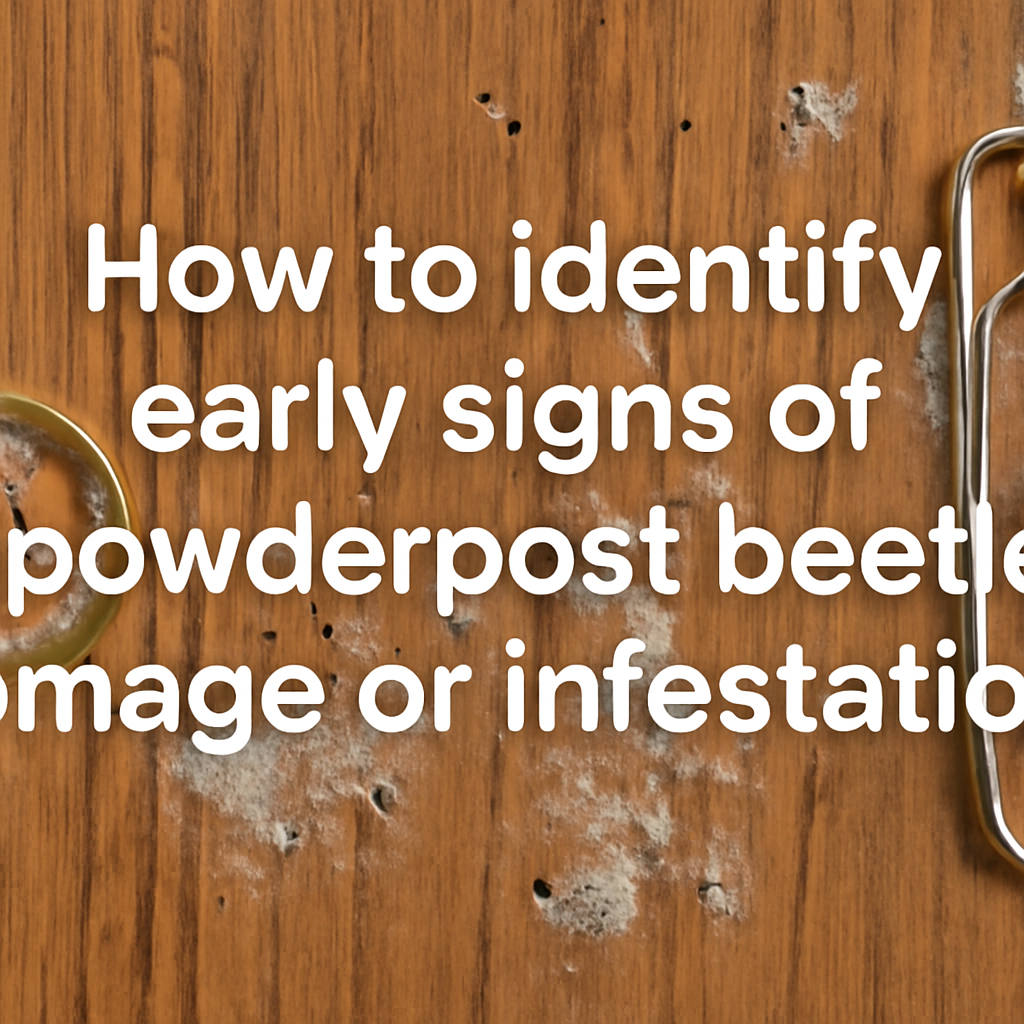
Powderpost beetles create small, perfectly round exit holes measuring 1/32″ to 1/8″ in diameter and produce fine, flour-like powder called frass around infested wood. According to the University of Minnesota Extension, these wood-destroying insects can silently damage structural elements and furniture for 1-5 years before homeowners notice obvious signs, making early detection critical to prevent costly repairs ranging from $1,000 to $10,000 or more.
What Are Powderpost Beetles and Why Early Detection Matters?
Powderpost beetles are wood-destroying insects that can silently damage your home’s structural elements and valuable wooden furniture for years before you notice any obvious signs. These beetles belong to three main families: Lyctidae (true powderpost beetles), Anobiidae (deathwatch beetles), and Bostrichidae (false powderpost beetles), each targeting different wood types and moisture levels.
The female beetles lay eggs in wood pores or cracks, and larvae tunnel through the wood for 1-3 years, feeding and creating extensive internal damage. According to Penn State Extension, larvae can remain active in wood with moisture content between 6-30%, with optimal development occurring at 13-20% moisture levels. During this time, no external signs appear, earning them the nickname “silent destroyers.”
Late detection can result in significant financial losses. The National Pest Management Association reports that powderpost beetle damage costs homeowners between $1,000-$10,000 on average, with severe structural infestations requiring complete timber replacement. In my experience working with homeowners over the past decade, early detection typically reduces treatment costs by 60-80% compared to advanced infestations that compromise structural integrity.
| Photo | Popular Pest Repellents | Price |
|---|---|---|
 | 16/32oz Peppermint Spray to Repel Bugs & Insects - Natural Plant-Based Ant, Roach, Spider, Fly Repellent - Indoor/Outdoor Safe, Pet & Family Friendly Pest Control (16 Fl Oz) | Check Price On Amazon |
 | Nature's Dome Pest Control Starter Kit – Makes 3 Bottles (16 oz Each) – Eco-Friendly, Plant-Based Formula for Ant, Roach, Spider, Fly, Flea & Insect Control – Child & Pet Safe for Indoor/Outdoor Use | Check Price On Amazon |
 | (2025 Upgraded) Ultrasonic Insect & Pest Indoor Repeller – Stronger Driving Force, Plug-in Control Electronic Repellent for Roach, Mouse, Rodent, Bugs, Spider, Mice, Ant, 2 Mode Switching (6 Pack) | Check Price On Amazon |
 | LONYEON 8L Electric ULV Cold Fogger Machine with Backpack Mist Atomizer, Adjustable Flow Rate, Large Area Spraying for Home Indoor Outdoor | Check Price On Amazon |
 | Pest Control, Mouse Repellant Pouches, 10 Pack, Mice Repellent Indoor, Peppermint Oil for Rodents & Cucarachas & Spiders & Snakes, Safe Effective Rodent Repellent for Car Engines, RV, Home Use | Check Price On Amazon |
How to Identify Powderpost Beetle Exit Holes: Size, Shape, and Pattern Recognition
The most obvious sign of powderpost beetle activity is the presence of small, round exit holes in wood surfaces, but knowing exactly what to look for can mean the difference between early intervention and extensive damage. Exit holes appear when adult beetles emerge from wood after completing their development cycle, typically measuring between 1/32″ and 1/8″ in diameter depending on the beetle species.
Lyctidae beetles create the smallest holes at 1/32″ to 1/16″ diameter, while Anobiidae produce slightly larger holes at 1/16″ to 1/8″, and Bostrichidae create the largest at 1/8″ to 1/4″. According to research from the USDA Forest Service, these holes are perfectly circular with clean, smooth edges that appear freshly cut when new. The holes often appear in clusters or scattered patterns across the wood surface, particularly concentrated in areas with higher moisture content or softer wood grain.
Fresh exit holes display bright, unweathered wood around the edges and may have fine frass particles clinging to the opening. I’ve observed that holes created within the past year maintain sharp, defined edges, while older holes develop rounded, weathered appearances from moisture and handling. Document hole locations with photographs using a ruler for scale, as this information proves valuable for monitoring infestation progression and professional consultations.
Measuring Exit Holes Accurately Without Professional Tools
You don’t need expensive equipment to accurately measure beetle holes – common household items provide sufficient precision for identification. Use a standard penny as your primary measurement tool, as its thickness measures approximately 1/16″, providing an excellent reference point for most powderpost beetle holes.
For more precise measurements, straighten a standard paperclip to create a measuring probe. The wire diameter of most paperclips measures approximately 1/32″, matching the smallest Lyctidae exit holes. Insert the paperclip wire into suspected holes – if it fits snugly, you’re likely dealing with true powderpost beetles. Use your smartphone camera with a ruler placed adjacent to holes for documentation, ensuring adequate lighting from multiple angles to capture hole depth and edge characteristics.
Distinguishing Powderpost Beetle Holes from Other Wood Damage
Several other insects and factors create holes in wood, but powderpost beetle damage has distinctive characteristics that allow accurate identification. Carpenter bee holes measure 1/2″ in diameter, appearing significantly larger and often accompanied by yellow staining from pollen and feces, while powderpost beetle holes never exceed 1/4″ diameter.
Old nail holes or screw holes display irregular, oval shapes with torn or splintered edges, contrasting sharply with the perfectly round, smooth-edged holes created by emerging beetles. Woodpecker damage creates large, irregular cavities or rows of holes, typically measuring 1/4″ or larger with rough, pecked edges that differ completely from beetle emergence patterns.
Recognizing Fresh Frass: The Telltale Powder That Signals Active Infestation
Frass – the powdery sawdust expelled by beetle larvae – is often the first sign homeowners notice, and its characteristics can tell you whether you’re dealing with an active infestation or old damage. Fresh frass appears as fine, flour-like powder that accumulates beneath or around infested wood, with particle size and color indicating beetle species and activity level.
According to the University of California Agriculture and Natural Resources, Lyctidae frass appears extremely fine and powdery, similar to flour or talcum powder, while Anobiidae produces slightly coarser frass with small, cylindrical pellets mixed in. Fresh frass displays bright, light-colored appearance matching the wood’s natural color, while old frass appears darker, compressed, and may contain other debris or dust accumulation.
Active infestations produce frass continuously during larval feeding periods, typically spring through fall when temperatures remain above 55°F. I’ve found that fresh frass feels fine and powdery when rubbed between fingers, while old frass feels gritty or compressed. The quantity also indicates activity level – light dustings suggest early or limited infestation, while substantial accumulations indicate advanced activity requiring immediate attention.
Testing Frass Freshness and Activity Levels
A few simple tests can determine whether the frass you’ve discovered indicates current beetle activity or old, inactive damage. Clean all visible frass from the area using a small brush or vacuum, then monitor the location for 2-4 weeks to detect new accumulations.
Fresh frass maintains light, bright coloration matching the surrounding wood, while old frass appears darker and may contain dust or other particles. Examine frass texture by rubbing a small amount between your fingers – fresh powder feels fine and smooth, while aged frass feels gritty or forms clumps. Document the quantity and distribution with photographs, noting any changes during subsequent inspections to establish activity patterns and infestation severity.
What Sounds Indicate Active Powderpost Beetle Infestation?
While powderpost beetles are generally quiet, certain subtle sounds can indicate active feeding, especially in quiet environments during peak activity periods. Larval feeding produces faint ticking, clicking, or scratching sounds as mandibles scrape through wood fibers, though these sounds require silent conditions and proximity to hear.
Listen for sounds during evening hours when ambient noise levels decrease and beetle activity peaks. According to entomological studies from Texas A&M University, sounds are most audible in quiet spaces like basements, attics, or storage areas where wood members are exposed and ambient noise is minimal. Adult emergence can produce brief scratching or tapping sounds as beetles chew through the final wood layer to create exit holes.
Position your ear within 6-12 inches of suspected infestation areas during calm periods. Sounds occur irregularly and may be absent for days or weeks depending on larval development stage and environmental conditions. Focus listening efforts on areas where you’ve already identified visual signs rather than relying solely on audio detection for initial discovery.
Best Times and Locations to Inspect for Early Powderpost Beetle Signs
Strategic timing and knowing where to look dramatically improves your ability to catch powderpost beetle infestations in their earliest stages. Adult beetles emerge primarily during late spring and early summer months (May through August), making this the optimal period for detecting fresh exit holes and frass accumulations.
Inspect during morning hours when natural lighting provides optimal visibility for spotting small holes and powder accumulations. According to research from the USDA Forest Products Laboratory, beetles prefer wood with moisture content between 6-30%, making areas with higher humidity or occasional moisture exposure prime targets. Temperature also influences activity, with optimal development occurring between 70-80°F.
Focus inspection efforts on hardwood elements, particularly oak, ash, hickory, and imported woods used in flooring, trim, and furniture. I recommend creating a systematic inspection schedule that covers high-risk areas monthly during active seasons and quarterly during dormant periods. Document findings with photographs and dates to track changes and identify developing patterns that might indicate expanding infestations.
Seasonal Patterns: When Beetles Are Most Active and Detectable
Powderpost beetle activity follows predictable seasonal patterns that align with temperature and humidity changes throughout the year. Adult emergence peaks during late spring and early summer (May-July) when temperatures consistently reach 65-75°F and humidity levels support optimal reproduction.
Spring emergence timing varies by geographic location and species, with southern regions experiencing earlier activity beginning in April, while northern climates may not see peak emergence until June or July. Summer months maintain continued adult activity and egg-laying, though emergence rates typically decline by August. Fall marks the preparation phase when larvae enter their final development stages, while winter brings dormancy periods with minimal detectable activity in most regions.
High-Risk Areas Every Homeowner Should Monitor Regularly
Certain areas of your home are significantly more susceptible to powderpost beetle infestation and deserve regular monitoring attention. Hardwood flooring represents the highest risk area, particularly oak, ash, hickory, and walnut installations less than 10 years old where sapwood content remains high.
Antique and vintage furniture constructed before modern kiln-drying standards often harbor beetle eggs or larvae that remain dormant until environmental conditions trigger development. Attic spaces containing exposed structural timbers experience temperature and humidity fluctuations that can activate dormant infestations, especially in wood stored near HVAC equipment or areas with inadequate ventilation.
Basement and crawl space wood elements face moisture challenges that create optimal conditions for beetle development. Recently installed wood features including trim, molding, and built-in furniture pose elevated risks during their first 5 years as residual moisture and sapwood content attract egg-laying females. Monitor wood stored near plumbing, windows, or other moisture sources with particular attention to any changes in appearance or surrounding debris accumulation.
Simple Tools and Techniques for DIY Powderpost Beetle Detection
Effective powderpost beetle detection doesn’t require expensive equipment – a few simple tools and techniques can provide thorough assessment capabilities. Essential tools include a high-quality LED flashlight for examining dark areas, a magnifying glass (10x magnification minimum) for hole and frass examination, a ruler or measuring tape for documentation, and a smartphone camera for recording findings.
A small, soft-bristled brush helps remove debris from suspected holes without damage, while a white sheet of paper placed beneath inspection areas makes frass more visible against contrast. Simple wood moisture meters, available for $20-40, help identify high-risk areas where moisture content exceeds 12%. According to the National Institute of Standards and Technology, wood moisture levels above 12% significantly increase beetle survival and reproduction rates.
Sticky trap cards placed near suspected infestation areas can capture emerging adults, providing confirmation of active populations. I’ve found that yellow sticky traps work effectively when placed within 12 inches of known exit holes during emergence periods. Document all findings with date-stamped photographs using consistent lighting and reference objects for scale, creating a valuable record for tracking infestation development and treatment effectiveness.
Creating a Systematic Inspection Checklist and Schedule
A systematic approach to regular inspection ensures you don’t miss early signs and can track changes over time effectively. Develop a monthly quick inspection routine covering high-risk areas including hardwood floors, exposed structural timbers, antique furniture, and recently installed wood features.
Create a seasonal comprehensive inspection protocol that examines all wood elements in detail, documenting findings with measurements, photographs, and location descriptions. Use a standardized template recording hole diameters, frass quantities, wood moisture readings, and environmental conditions during each inspection. Maintain photographic records using consistent angles, lighting, and reference scales to enable accurate comparison between inspection periods.
Schedule inspections during optimal detection periods – monthly during active seasons (April-September) and quarterly during dormant periods (October-March). Track environmental factors including temperature, humidity, and recent weather patterns that influence beetle activity and detection success rates.
How to Distinguish New Infestation from Old, Inactive Damage
Determining whether you’re looking at current beetle activity or old, resolved damage affects your response strategy and urgency level significantly. Fresh exit holes display clean, sharp edges with bright wood color around the opening, while old holes show weathered, rounded edges darkened by age and exposure.
New frass appears light-colored, fine, and powdery with consistent texture, while old debris becomes darker, compressed, and mixed with dust or other particles. According to Virginia Tech Cooperative Extension, fresh frass accumulates in concentrated piles directly beneath active feeding areas, while old frass spreads out and loses its distinct powder characteristics over time.
Seasonal timing of discovery provides important context – finding fresh holes and frass during emergence periods (May-August) strongly suggests current activity, while discoveries during dormant seasons may indicate older damage. Adult beetle evidence including shed wings, deceased specimens, or live adults confirms active populations. When uncertainty exists about infestation status, professional assessment provides definitive identification and appropriate treatment recommendations.
Which Wood Types and Conditions Attract Powderpost Beetles Most?
Not all wood is equally susceptible to powderpost beetle attack – understanding risk factors helps focus your monitoring efforts and prevention strategies effectively. High-risk hardwoods include oak, ash, hickory, mahogany, and walnut, particularly when sapwood content exceeds 20% and starch levels remain elevated from recent processing.
Sapwood vulnerability significantly exceeds heartwood susceptibility due to higher starch content and larger pore structures that accommodate egg-laying. According to Forest Products Laboratory research, wood aged 1-10 years faces highest infestation risk, as kiln-drying effects diminish and environmental moisture exposure increases wood appeal to beetles. Wood moisture content between 6-30% supports beetle development, with optimal conditions occurring at 13-20% moisture levels.
Surface treatments and finishes affect susceptibility patterns. Untreated wood faces maximum risk, while properly applied penetrating sealers and finishes create barriers that deter egg-laying females. Geographic location influences species distribution and activity patterns – southern regions experience longer active periods and multiple species overlap, while northern climates typically support fewer species with shorter activity windows.
I’ve observed that imported woods often carry higher infestation risks due to different processing standards and potential pre-existing beetle populations. Wood stored in temperature-controlled, low-humidity environments shows reduced susceptibility compared to materials exposed to seasonal moisture fluctuations in basements, attics, or crawl spaces.
Natural Prevention Strategies That Support Early Detection
The best defense against powderpost beetles combines early detection with environmental modifications that make your wood less attractive to these pests. Maintain indoor humidity levels below 50% using dehumidifiers, improved ventilation, and moisture source elimination to create conditions unsuitable for beetle development.
Apply natural wood treatments including tung oil, linseed oil, or commercial wood sealers that penetrate wood pores and create barriers against egg-laying females. Essential oil treatments using neem oil or cedar oil provide additional deterrent properties while maintaining wood appearance and safety for indoor use. Beneficial predator encouragement through natural biological control methods can help manage beetle populations in some environments.
Environmental monitoring using simple humidity gauges and wood moisture meters helps identify conditions that favor beetle activity before infestations establish. Address moisture sources including plumbing leaks, poor ventilation, and condensation problems that elevate wood moisture above safe levels for extended periods.
When to Call Professional Help vs. Continuing DIY Monitoring
Knowing when your DIY detection efforts should transition to professional assessment can save money and prevent damage escalation effectively. Continue DIY monitoring when you find isolated holes or small frass accumulations in non-structural areas, particularly if evidence suggests old, inactive damage rather than current beetle activity.
Professional assessment becomes necessary when exit holes number more than 5-10 per square foot, when fresh frass appears continuously despite cleaning, or when structural wood members show signs of beetle activity. According to the National Pest Management Association, structural concerns arise when infestations affect load-bearing timbers, floor joists, or other critical building elements that could compromise safety.
Cost-benefit analysis favors professional intervention when potential damage exceeds $1,000-2,000 or when uncertainty about infestation status prevents effective decision-making. Red flag situations requiring immediate expert evaluation include active adult beetle sightings, rapidly expanding hole patterns, or structural wood showing visible weakness or hollow sounds when tapped.
When selecting professionals, prioritize specialists experienced with integrated pest management approaches that emphasize targeted treatment methods over broad-spectrum chemical applications. Ask about inspection protocols, treatment options, monitoring procedures, and warranty coverage to ensure comprehensive service that addresses both current infestations and future prevention needs.
Documenting and Monitoring Beetle Signs for Treatment Planning
Proper documentation of your findings creates a valuable record for tracking infestation progression and evaluating treatment effectiveness over time. Establish photography standards using consistent lighting, angles, and reference scales (rulers or coins) to enable accurate comparison between inspection periods.
Record measurements using standardized templates that capture hole diameters, frass quantities, wood moisture readings, and environmental conditions during each inspection. Create timeline tracking systems that document discovery dates, progression rates, and seasonal patterns to identify peak activity periods and treatment timing opportunities.
Document treatment responses including natural treatment applications, environmental modifications, and monitoring results to evaluate effectiveness and guide future interventions. Professional consultation preparation benefits from organized documentation that demonstrates infestation history, current status, and previous treatment attempts.
Maintain digital records with backup copies that include photographs, measurement data, treatment logs, and environmental monitoring results. This comprehensive documentation supports insurance claims, professional consultations, and long-term management strategies while providing valuable reference for detecting changes that might indicate new or recurring infestations.
Frequently Asked Questions About Early Powderpost Beetle Detection
Can you have powderpost beetles without seeing any holes yet?
Yes, powderpost beetles can infest wood for 1-3 years before creating visible exit holes. During the larval stage, beetles tunnel inside wood without external signs, feeding on starch and creating internal damage. Look for alternative early indicators including fine frass accumulations, subtle sounds from feeding larvae, or adult beetles found near wood surfaces during emergence periods (May-August).
How do you tell if powderpost beetle damage is old or from a current infestation?
Fresh damage shows clean, sharp-edged holes with bright wood color and fine, light-colored frass accumulations. Old damage displays weathered hole edges, darkened wood around openings, and compressed or darkened debris mixed with dust. Timing matters – discoveries during emergence seasons (spring/summer) suggest current activity, while dormant season findings often indicate older damage.
What does powderpost beetle frass look like compared to sawdust from other sources?
Powderpost beetle frass appears extremely fine and flour-like, much finer than sawdust from power tools or mechanical cutting. Lyctidae frass resembles talcum powder, while Anobiidae produces slightly coarser powder with small cylindrical pellets. The frass color matches the wood species and accumulates in concentrated areas beneath feeding sites, unlike scattered sawdust from construction activities.
How small are powderpost beetle exit holes and how do you measure them accurately?
Powderpost beetle holes measure 1/32″ to 1/8″ diameter depending on species. Use a penny for reference – most holes appear smaller than the penny’s thickness (1/16″). Lyctidae creates the smallest holes (1/32″-1/16″), while Anobiidae produces medium holes (1/16″-1/8″), and Bostrichidae makes larger holes (1/8″-1/4″). Straightened paperclip wire (1/32″ diameter) provides precise measurement for identification.
What time of year are you most likely to notice new powderpost beetle damage?
Peak detection occurs during late spring and early summer (May-August) when adult beetles emerge and create exit holes. This emergence period coincides with temperatures reaching 65-75°F consistently and provides optimal conditions for spotting fresh holes, new frass accumulations, and adult beetle activity. Northern climates experience later emergence (June-July) compared to southern regions (April-June).
How do you inspect hard-to-reach areas like attics and crawl spaces for beetle damage?
Use a powerful LED flashlight and extendable mirror to examine distant surfaces safely. Wear protective clothing and ensure adequate ventilation in confined spaces. Focus on exposed structural timbers, stored lumber, and areas near moisture sources. Look for frass accumulations on surfaces below wooden elements, as gravity causes powder to fall and concentrate in visible locations.
Can powderpost beetle damage be mistaken for wood rot or other deterioration?
Yes, but key differences enable accurate identification. Beetle damage shows perfectly round holes with fine powder, while wood rot creates irregular deterioration with softened, discolored areas. Beetle-damaged wood maintains structural integrity except immediately around holes, whereas rot causes widespread weakening. Frass accumulates in distinct piles, while rot produces no similar powder deposits.
How many exit holes indicate a serious infestation versus minor problem?
Hole density exceeding 5-10 per square foot indicates serious infestation requiring professional attention. Isolated holes (1-3 per square foot) may represent minor or historical activity manageable with monitoring and prevention. Consider hole freshness, frass quantity, and structural importance of affected wood when assessing severity. Any holes in load-bearing timbers warrant immediate professional evaluation regardless of quantity.
What should you do immediately after confirming powderpost beetle signs?
Document findings with photographs using rulers for scale reference and record discovery dates, locations, and environmental conditions. Clean frass accumulations to establish monitoring baselines for detecting new activity. Assess moisture levels and improve ventilation to reduce conditions favoring beetle development. Consider immediate prevention measures while planning comprehensive treatment strategies.
How long does it take for powderpost beetles to create visible damage?
Visible damage appears 1-5 years after initial egg-laying, depending on species, wood type, and environmental conditions. Lyctidae typically complete development in 1-2 years in optimal conditions, while Anobiidae may require 2-5 years. Larvae feed internally without external signs until pupation and adult emergence create exit holes. Temperature, humidity, and wood starch content significantly influence development timing.
