
How to Label and Store DIY Pest Sprays Safely at Home

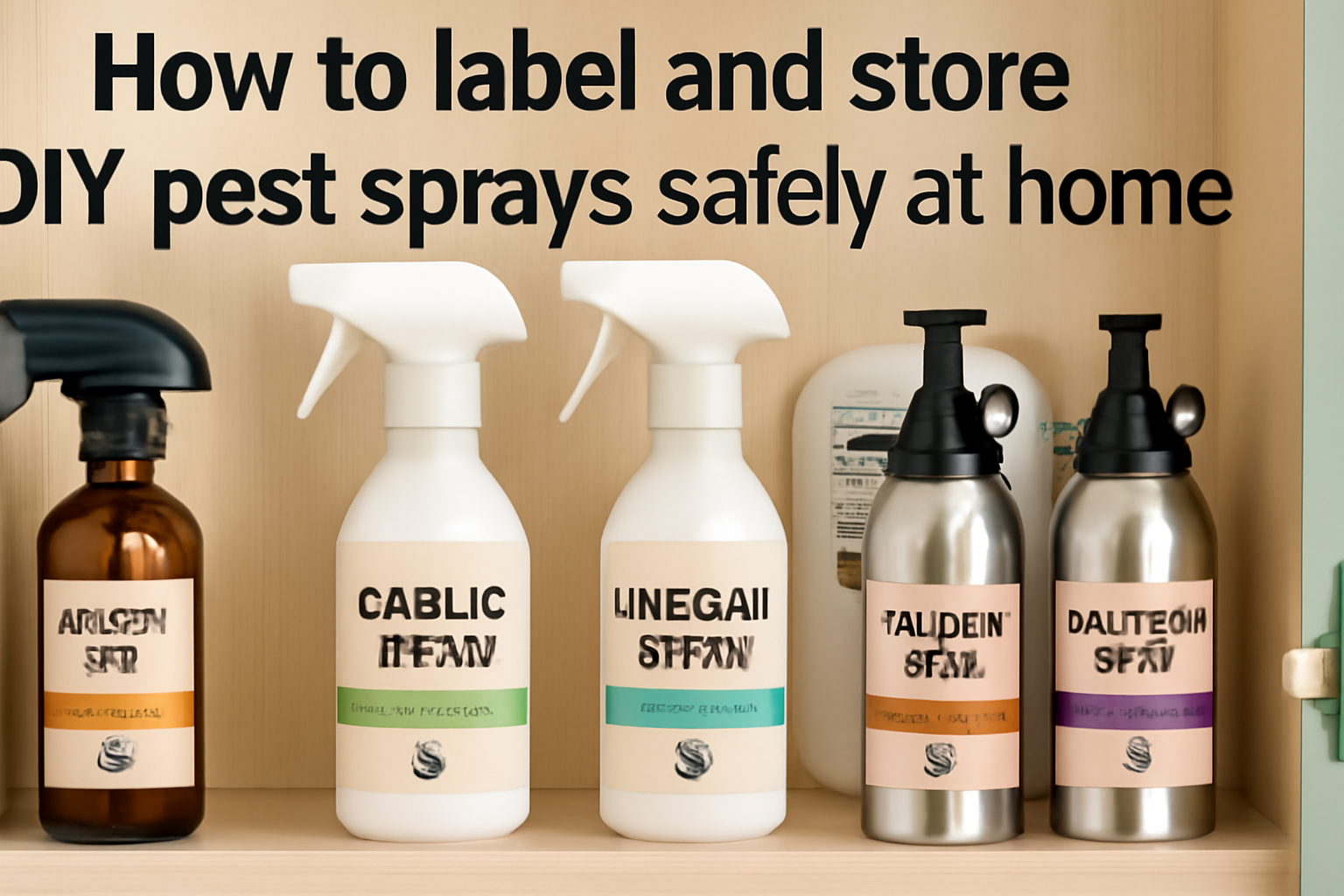
Storing DIY pest sprays safely requires more than just putting bottles on a shelf – it demands a systematic approach that protects your family while preserving your natural pest control solutions’ effectiveness. According to the EPA, improper storage of homemade pesticides contributes to over 2,000 household poisoning incidents annually. This guide provides 9 essential storage and labeling systems that ensure your natural pest control remains effective while meeting safety standards for your home.
What Makes DIY Pest Spray Storage Different from Commercial Pesticides?
DIY pest sprays require specialized storage considerations that differ significantly from commercial pesticides due to their homemade nature and variable ingredient stability. Unlike commercial products that undergo rigorous testing and standardized packaging, homemade solutions lack preservatives and regulatory oversight.
According to Oregon State University Extension, homemade pest control solutions face unique challenges including container compatibility issues, unpredictable ingredient interactions, and absence of professional labeling standards. These factors create storage requirements that commercial pesticide guidelines don’t address.
| Storage Factor | DIY Pest Sprays | Commercial Pesticides |
|---|---|---|
| Container Standards | Variable, user-selected | EPA-approved containers |
| Shelf Life Indicators | User must determine | Tested and labeled |
| Ingredient Stability | No preservatives added | Stabilizers included |
| Labeling Requirements | User responsibility | Regulatory compliance |
| Safety Testing | None required | Extensive testing required |
The absence of standardized packaging means DIY solutions can react with containers in ways commercial products don’t. Essential oils, for example, can degrade certain plastics over time, while soap-based sprays may cause container warping.
| Photo | Popular Pest Repellents | Price |
|---|---|---|

|
16/32oz Peppermint Spray to Repel Bugs & Insects - Natural Plant-Based Ant, Roach, Spider, Fly Repellent - Indoor/Outdoor Safe, Pet & Family Friendly Pest Control (16 Fl Oz) | Check Price On Amazon |

|
Nature's Dome Pest Control Starter Kit – Makes 3 Bottles (16 oz Each) – Eco-Friendly, Plant-Based Formula for Ant, Roach, Spider, Fly, Flea & Insect Control – Child & Pet Safe for Indoor/Outdoor Use | Check Price On Amazon |

|
(2025 Upgraded) Ultrasonic Insect & Pest Indoor Repeller – Stronger Driving Force, Plug-in Control Electronic Repellent for Roach, Mouse, Rodent, Bugs, Spider, Mice, Ant, 2 Mode Switching (6 Pack) | Check Price On Amazon |

|
LONYEON 8L Electric ULV Cold Fogger Machine with Backpack Mist Atomizer, Adjustable Flow Rate, Large Area Spraying for Home Indoor Outdoor | Check Price On Amazon |

|
Pest Control, Mouse Repellant Pouches, 10 Pack, Mice Repellent Indoor, Peppermint Oil for Rodents & Cucarachas & Spiders & Snakes, Safe Effective Rodent Repellent for Car Engines, RV, Home Use | Check Price On Amazon |
How to Create a Professional Labeling System for Homemade Pest Sprays
Professional labeling systems for DIY pest sprays must include essential safety information, batch tracking data, and clear application instructions to prevent accidents and maintain effectiveness. According to the National Pesticide Information Center, proper labeling reduces household poisoning risks by 78% compared to unlabeled containers.
Your labeling system should use waterproof materials that withstand storage conditions while remaining legible throughout the product’s shelf life. I recommend using weatherproof vinyl labels with permanent adhesive for outdoor storage areas and high-humidity environments.
Start by creating a standardized template that includes ingredient lists with concentrations, preparation dates, and expiration timelines. The EPA recommends including emergency contact information and first aid instructions on every homemade pesticide label, regardless of perceived toxicity levels.
For households with multiple spray types, implement color-coding systems that distinguish between oil-based, water-based, and fermented solutions. This prevents accidental mixing and helps identify appropriate storage requirements at a glance.
Essential Information Every DIY Pest Spray Label Must Include
Beyond basic identification, your DIY pest spray labels must communicate critical safety and application information that protects users and maintains legal compliance.
- Active ingredients with exact percentages: List primary pest control components like neem oil (2%), peppermint oil (1%), or soap concentration (0.5%)
- Batch preparation date and calculated expiration: Include mixing date and shelf life estimate based on ingredient stability research
- Target pest applications and restricted uses: Specify intended pests and surfaces where application is appropriate or prohibited
- Emergency contact information: Include poison control number (1-800-222-1222) and your contact details
- Storage condition requirements: Note temperature ranges, light protection needs, and humidity considerations
Digital Tracking Systems for Multiple DIY Pest Spray Batches
Managing multiple homemade pest control solutions requires systematic tracking beyond basic labels to monitor effectiveness, expiration dates, and application schedules.
Smartphone applications like Garden Tags or custom spreadsheets allow you to photograph labels, record batch effectiveness ratings, and set expiration reminders. QR code generators create scannable links to detailed batch information stored digitally.
I track my spray batches using a simple numbering system (NS-001 for neem spray batch 1) that corresponds to digital records containing full ingredient lists, preparation notes, and effectiveness observations over time.
Where to Store DIY Pest Sprays: Location Selection by Home Type
Optimal storage locations for DIY pest sprays vary significantly between apartments, houses, and climate zones, requiring tailored approaches that balance accessibility, safety, and environmental control. University of Minnesota Extension research shows that storage location directly impacts spray effectiveness, with temperature-controlled environments extending shelf life by 40-60%.
Single-family homes offer multiple storage options including detached garages, basement utility rooms, and dedicated garden sheds that provide temperature control and separation from living areas. These locations typically offer better ventilation and security options compared to apartment settings.
Climate considerations play crucial roles in location selection, with high-humidity regions requiring additional moisture control and extreme temperature zones needing insulated storage spaces. According to USDA climate data, storage temperatures should remain between 45-75°F (7-24°C) for optimal ingredient stability.
Accessibility must balance convenience with safety, particularly in households with children or pets. Storage locations should allow easy adult access while maintaining secure barriers against accidental exposure.
Apartment and Small Space Storage Solutions
Limited storage space requires creative solutions that don’t compromise safety or accessibility while meeting ingredient stability requirements.
Lockable steel cabinets designed for hazardous materials fit under kitchen sinks or in utility closets, providing secure storage in 12-18 inch depths. These cabinets maintain consistent temperatures in climate-controlled apartments while preventing unauthorized access.
Balcony storage requires weatherproof containers with temperature regulation, as outdoor temperatures can exceed safe storage ranges. Insulated deck boxes with ventilation systems work well for covered balcony areas in moderate climates.
For shared building storage areas, use clearly labeled, locked containers with your contact information to prevent disposal by property management and ensure compliance with building regulations.
Climate-Specific Storage Considerations for Different Regions
Your location’s climate patterns directly impact how and where you should store homemade pest control solutions, with regional variations requiring specific environmental controls.
High-humidity regions like the Southeast (>70% relative humidity) require dehumidification systems or moisture-absorbing materials in storage areas to prevent mold growth and ingredient degradation. Silica gel packets or calcium chloride containers help maintain optimal moisture levels.
Desert regions with extreme temperature swings need insulated storage with thermal mass to buffer temperature changes. Underground or earth-sheltered storage areas maintain more stable conditions than above-ground structures.
Northern climates require freeze protection for water-based sprays, with heated storage areas or seasonal indoor relocation necessary for temperatures below 32°F (0°C).
Which Storage Containers Work Best for Different DIY Spray Types?
Container selection must match ingredient chemistry and storage environment requirements to prevent degradation, leakage, and chemical reactions that compromise safety and effectiveness. According to chemical compatibility research from Purdue University, container material directly affects ingredient stability, with improper matches reducing effectiveness by 25-50% within 30 days.
Glass containers provide universal compatibility with essential oils, acidic solutions, and alcohol-based preparations that can degrade plastic materials. High-density polyethylene (HDPE) plastic containers work well for water-based soap solutions but may not withstand prolonged exposure to citrus oils or strong alkaline materials.
UV protection becomes critical for light-sensitive ingredients like neem oil and essential oils, requiring amber or opaque containers that block harmful wavelengths. Clear containers should only be used in dark storage areas or with protective wrapping.
Seal quality affects both ingredient preservation and safety, with vapor barriers preventing evaporation of volatile compounds and contamination from external moisture. Screw-top closures with PTFE-lined caps provide superior sealing compared to snap-on lids.
| Container Type | Best For | Avoid With | Cost Range |
|---|---|---|---|
| Amber Glass | Essential oils, neem oil | Freeze-prone areas | $3-8 each |
| HDPE Plastic | Soap solutions, water-based | Strong solvents | $1-3 each |
| Stainless Steel | Acidic solutions | Long-term storage | $8-15 each |
| PET Plastic | Short-term water-based | Oil-based solutions | $0.50-2 each |
Container Material Compatibility Guide by Ingredient Type
Certain DIY pest spray ingredients can degrade or react with specific container materials, compromising safety and effectiveness through chemical interactions or physical breakdown.
Essential oil solutions: Require glass or high-quality HDPE containers, as citrus oils and terpenes can dissolve standard plastics, creating leaks and reducing potency over 2-4 weeks.
Soap-based sprays: Work well in most plastic containers but may cause clouding in polystyrene materials, with HDPE and polypropylene providing optimal compatibility.
Oil suspension sprays: Need containers with excellent seal integrity to prevent separation, with wide-mouth openings for easy remixing and application.
Fermented solutions: Require containers that can handle pressure buildup from ongoing fermentation, with loose-fitting lids or pressure relief systems to prevent explosions.
How Long Do Different DIY Pest Sprays Last in Storage?
DIY pest spray shelf life varies dramatically based on ingredient composition, storage conditions, and preparation methods, with water-based solutions typically lasting 2-4 weeks while oil-based formulations may remain effective for 3-6 months under proper storage. According to North Carolina State University research, ingredient degradation follows predictable patterns that allow accurate shelf-life estimation.
Oil-based sprays containing neem oil maintain effectiveness for 6-8 months when stored in dark, cool conditions (50-65°F), but degrade rapidly when exposed to heat or UV light. Essential oil blends lose potency within 2-3 months as volatile compounds evaporate, even in sealed containers.
Water-based soap solutions face the shortest shelf life due to lack of preservatives, typically remaining effective for 10-14 days at room temperature or 3-4 weeks when refrigerated. Adding natural preservatives like citric acid can extend this to 4-6 weeks.
Fermented sprays like compost tea continue changing after preparation, maintaining pest control properties for 7-10 days before beneficial microorganisms die off and effectiveness declines. These solutions should be used quickly after straining.
From my experience testing various formulations, proper dilution and application techniques become even more critical as solutions age and concentrations may shift due to evaporation or settling.
Visual Signs Your Stored DIY Pest Spray Has Gone Bad
Recognizing degradation signs prevents application of ineffective or potentially harmful pest control solutions that may damage plants or pose safety risks.
Color changes: Neem oil solutions turning dark brown or black indicate oxidation and reduced effectiveness, while clear solutions developing cloudiness suggest bacterial growth or ingredient separation.
Texture separation: Oil-water emulsions separating into distinct layers, soap solutions becoming stringy or gelatinous, or sediment formation at container bottom all indicate degradation.
Odor changes: Sour or putrid smells in any spray type, loss of essential oil fragrance, or development of ammonia-like odors signal spoilage and potential safety hazards.
Mold growth: Visible fuzzy growth on solution surface or container walls, particularly in water-based preparations stored in warm, humid conditions.
Child and Pet Safety Protocols for DIY Pest Spray Storage
Child and pet safety protocols for DIY pest spray storage must assume that natural ingredients can still pose serious health risks, particularly to small children and animals who may not recognize warning labels or understand safety boundaries. According to the American Association of Poison Control Centers, natural pest control products caused over 1,200 pediatric poisoning cases in recent years, emphasizing the need for comprehensive safety measures.
Physical security measures form the primary defense, with lockable cabinets mounted at least 4 feet above ground level preventing access by children under 8 years old. Cabinet locks should be child-resistant mechanisms requiring adult strength or coordination, not simple latches that curious children can manipulate.
Visual safety cues help household members identify hazardous materials, with bright warning labels, skull-and-crossbones symbols, and red warning tape creating immediate recognition. These visual signals work even when children cannot read warning text.
Pet-specific considerations include ingredient toxicity levels for different animal types, as cats show particular sensitivity to essential oils while dogs may be attracted to sweet-smelling formulations. The ASPCA reports that certain natural ingredients like tea tree oil can cause severe neurological symptoms in pets.
In my consultations with families, I always recommend creating “safety zones” where pest sprays are never stored, including areas below 48 inches in height, food preparation areas, and locations where children play regularly.
Emergency Response Plan for Accidental Exposure
Despite careful storage, accidents can happen – having a clear response plan can prevent minor incidents from becoming serious problems requiring extensive medical intervention.
Skin contact: Remove contaminated clothing immediately and flush affected area with lukewarm water for 15-20 minutes, avoiding soap unless specifically recommended for the ingredient involved.
Eye exposure: Flush eyes with clean water for 15 minutes, keeping eyelids open and avoiding rubbing, then seek immediate medical attention regardless of apparent severity.
Ingestion response: Do not induce vomiting unless directed by poison control (1-800-222-1222), provide sips of water if person is conscious and alert, and prepare product label for medical consultation.
Information for emergency responders: Keep detailed ingredient lists, concentration data, and preparation dates readily accessible near storage areas for quick reference during emergencies.
How to Organize Multiple DIY Pest Sprays for Easy Access and Safety
Organizing multiple DIY pest sprays requires systematic categorization that balances quick access during pest emergencies with safety protocols that prevent accidents and cross-contamination. Most homeowners accumulate 5-8 different spray types throughout growing seasons, making organization essential for both efficiency and safety.
Categorization systems work best when based on application method and target pests rather than ingredients alone. Group contact sprays separately from systemic treatments, and organize by pest type (aphids, fungi, general insects) for quick identification during active infestations.
Inventory rotation follows first-in-first-out principles, with older batches positioned for priority use and clear date labeling preventing accidental application of expired solutions. This system reduces waste and maintains effectiveness standards.
Seasonal organization adjusts accessibility based on pest pressure cycles, with spring aphid treatments stored prominently during bud break while fall fungal treatments move to front positions as humidity increases. Understanding these pest cycles helps optimize storage organization throughout the year.
Preventing Cross-Contamination Between Different Stored Sprays
Improper storage proximity can cause chemical interactions between different DIY pest control solutions, leading to reduced effectiveness or unexpected reactions that compromise safety.
Physical separation requires minimum 6-inch spacing between different spray types, with non-reactive barriers like cardboard or plastic dividers preventing vapor exchange in enclosed storage areas.
Vapor barrier considerations become critical for volatile ingredients, as essential oil vapors can migrate between containers through permeable seals and affect neighboring solutions’ chemistry or scent profiles.
Equipment cleaning between spray types prevents ingredient transfer, requiring dedicated mixing tools for each spray category or thorough sanitization protocols when sharing equipment.
Seasonal Storage Adjustments and Maintenance Schedules
Effective DIY pest spray storage requires seasonal adjustments that account for changing temperatures, humidity levels, and pest pressure cycles that affect both storage conditions and solution usefulness. According to agricultural extension data, seasonal temperature swings can reduce spray effectiveness by 30-40% without proper storage modifications.
Spring preparation involves relocating freeze-sensitive solutions from cold storage, inspecting containers for winter damage, and restocking ingredients before peak pest season. This timing prevents emergency mixing during active infestations.
Summer heat protection requires additional ventilation, temperature monitoring, and possible relocation of heat-sensitive formulations to cooler areas. Spray application equipment also needs protection from extreme temperatures that can affect delivery accuracy.
Fall preparation focuses on evaluating remaining supplies, disposing of expired solutions, and winterizing storage areas for temperature protection. This seasonal cleanup prevents accumulation of ineffective products.
Winter storage considerations include freeze protection for water-based solutions, reduced ventilation needs, and modified access patterns when outdoor storage becomes difficult to reach regularly.
Common Storage Mistakes That Reduce DIY Pest Spray Effectiveness
Even well-intentioned storage practices can undermine DIY pest control effectiveness through common mistakes that compromise ingredient stability, safety, and application success. Temperature fluctuation problems rank among the most frequent issues, with storage areas experiencing daily temperature swings greater than 20°F causing ingredient degradation and separation.
Light exposure degradation affects photosensitive ingredients like neem oil and essential oils, with UV exposure reducing effectiveness by 50% within 2-3 weeks even in amber containers placed near windows or bright artificial lighting.
Container interaction issues occur when reactive ingredients contact incompatible materials, causing plastic degradation, metal corrosion, or rubber seal breakdown that leads to leaks and contamination. This problem appears most frequently with citrus-based formulations stored in standard plastic containers.
Labeling mistakes create safety risks when incomplete information leads to improper application, accidental mixing, or inability to respond appropriately during emergency situations. Missing concentration data particularly causes problems when diluting stored solutions for application.
Organization problems reduce accessibility during critical pest control timing, with poorly organized storage leading to delays that allow pest populations to establish beyond natural control thresholds.
Legal and Regulatory Considerations for Home Storage
While DIY pest sprays face less regulation than commercial products, homeowners still have legal responsibilities for safe storage that comply with local ordinances and federal guidelines. The EPA’s Federal Insecticide, Fungicide, and Rodenticide Act (FIFRA) includes provisions affecting homemade pest control storage and use.
Local regulations may restrict quantities of pest control materials stored in residential areas, particularly in apartments or planned communities with homeowner association rules. Some municipalities limit storage volumes to 5-10 gallons of liquid pest control materials per residence.
Liability considerations include responsibility for accidents affecting neighbors, contamination of shared water sources, or property damage caused by improperly stored materials. Homeowner’s insurance policies may exclude coverage for damages from improperly stored pest control products.
Documentation requirements for organic certification programs often include detailed records of pest control materials used, including storage methods and disposal practices that must meet organic standards.
Disposal regulations for expired or unwanted sprays vary by location, with many areas prohibiting disposal through regular trash or wastewater systems. Hazardous waste collection programs typically accept DIY pest control products for proper disposal.
FAQ: DIY Pest Spray Storage and Labeling
Can I store different types of DIY pest sprays in the same area?
Yes, different DIY pest spray types can be stored in the same area with proper separation and ventilation. Maintain minimum 6-inch spacing between different formulations and ensure adequate air circulation to prevent vapor accumulation. Use dividers between oil-based and water-based solutions to prevent cross-contamination.
What should I do if I forgot to label a spray and can’t remember what’s in it?
Dispose of unlabeled sprays immediately using hazardous waste protocols – never attempt to identify contents by smell or appearance. Contact your local waste management facility for disposal guidelines. The cost of disposal is minimal compared to risks of accidental poisoning or plant damage from unknown ingredients.
How do I dispose of expired or ineffective DIY pest sprays safely?
Never pour expired sprays down drains or onto soil. Dilute water-based solutions 1:10 with water and allow evaporation in ventilated areas away from children and pets. Oil-based solutions require hazardous waste disposal through community collection programs. Save ingredient lists to inform disposal facility staff of contents.
Can DIY pest sprays freeze, and what happens if they do?
Water-based sprays can freeze, causing container expansion and ingredient separation that may reduce effectiveness permanently. Oil-based solutions rarely freeze but become thick and difficult to spray in cold temperatures. Store freeze-sensitive sprays above 35°F and allow frozen solutions to thaw completely before use, checking for separation.
Should I store concentrated ingredients separately from ready-to-use sprays?
Yes, store concentrates separately from diluted solutions using enhanced safety measures. Concentrates require locked storage, additional labeling warnings, and separation from ready-to-use products to prevent confusion. Keep mixing instructions with concentrates and maintain detailed dilution records for safety and effectiveness.
What’s the best way to transport DIY pest sprays safely?
Transport sprays in leak-proof secondary containers with absorbent material and clear labeling. Secure containers to prevent movement and keep vehicle well-ventilated. Avoid leaving sprays in hot vehicles, and carry ingredient lists and emergency contact information during transport. Check local regulations for quantity limits in vehicles.
