
How to Protect Pet Beds and Carpets From Moths Naturally?

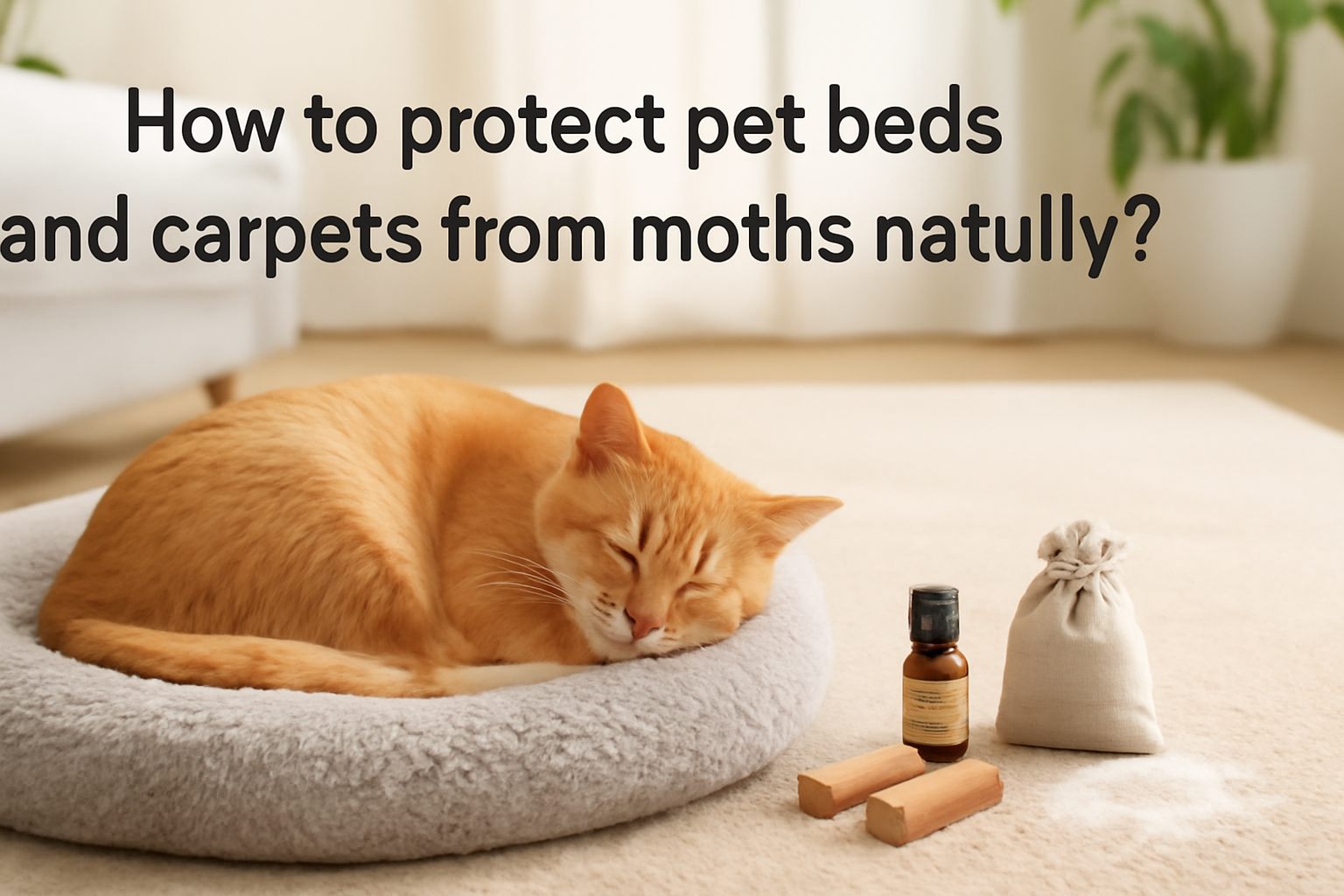
Pet beds and carpets face constant threat from moths, but natural protection methods keep these fabric destroyers away while maintaining complete safety for your pets. Moths gravitate toward pet sleeping areas because of accumulated hair, skin oils, food particles, and the warm, cozy environment these spaces provide. Thirteen proven natural methods offer effective, veterinary-approved protection that costs less than chemical alternatives while protecting your pet’s health and your valuable bedding investments.
What Attracts Moths to Pet Beds and Carpets? (Understanding the Problem)
Before diving into solutions, understanding why moths target your pet’s sleeping areas gives you a strategic advantage in prevention. Two primary moth species threaten household fabrics: carpet moths (Anthrenocerus australis) and clothes moths (Tineola bisselliella), both drawn to organic materials and protein-rich substances.
Pet-specific attractants create ideal moth breeding conditions. According to entomologist Dr. Michael Potter from the University of Kentucky, pet hair contains keratin proteins that larvae consume during development. Skin oils from regular pet contact penetrate fabric fibers, while food particles dropped during treats or meals provide additional nutrition sources.
Material vulnerabilities vary significantly by composition. Natural fibers like wool, cotton, and hemp face highest risk, while synthetic blends show moderate susceptibility. Memory foam and orthopedic pet beds retain moisture and warmth, creating optimal environments for egg development and larval growth.
| Photo | Popular Pest Repellents | Price |
|---|---|---|

|
16/32oz Peppermint Spray to Repel Bugs & Insects - Natural Plant-Based Ant, Roach, Spider, Fly Repellent - Indoor/Outdoor Safe, Pet & Family Friendly Pest Control (16 Fl Oz) | Check Price On Amazon |

|
Nature's Dome Pest Control Starter Kit – Makes 3 Bottles (16 oz Each) – Eco-Friendly, Plant-Based Formula for Ant, Roach, Spider, Fly, Flea & Insect Control – Child & Pet Safe for Indoor/Outdoor Use | Check Price On Amazon |

|
(2025 Upgraded) Ultrasonic Insect & Pest Indoor Repeller – Stronger Driving Force, Plug-in Control Electronic Repellent for Roach, Mouse, Rodent, Bugs, Spider, Mice, Ant, 2 Mode Switching (6 Pack) | Check Price On Amazon |

|
LONYEON 8L Electric ULV Cold Fogger Machine with Backpack Mist Atomizer, Adjustable Flow Rate, Large Area Spraying for Home Indoor Outdoor | Check Price On Amazon |

|
Pest Control, Mouse Repellant Pouches, 10 Pack, Mice Repellent Indoor, Peppermint Oil for Rodents & Cucarachas & Spiders & Snakes, Safe Effective Rodent Repellent for Car Engines, RV, Home Use | Check Price On Amazon |
Environmental factors compound attraction levels. Humidity above 75% accelerates moth reproduction, while dark, undisturbed areas beneath beds provide protected laying sites. Low-traffic zones around pet sleeping areas receive less frequent cleaning, allowing undetected infestations to establish and spread.
Are Natural Moth Repellents Safe for All Pets? (Critical Safety Guidelines)
Pet safety must come first in any pest control strategy, and not all ‘natural’ solutions are automatically pet-safe. Essential oil toxicity varies dramatically between species, with cats showing extreme sensitivity to compounds dogs tolerate easily.
According to the ASPCA Poison Control Center, cats cannot metabolize terpenes found in most essential oils, leading to liver toxicity even at low concentrations. Tea tree, eucalyptus, and peppermint oils pose immediate dangers to felines, while dogs handle these substances better at proper dilutions. Birds and small mammals like rabbits show heightened sensitivity requiring even more restrictive approaches.
Safe concentration levels require strict adherence to veterinary guidelines. Dr. Sarah Wooten, DVM, recommends maximum 2-3 drops of pet-safe essential oils per cup of water for household applications, with complete avoidance of direct contact with pet bedding surfaces. Application distances should maintain minimum 12-inch clearance from sleeping areas for cats, 6-inch clearance for dogs.
Warning signs of sensitivity include excessive drooling, difficulty breathing, lethargy, vomiting, or skin irritation. Pet owners should consult veterinarians before implementing any essential oil-based moth control, especially for animals with existing health conditions or known allergies. For households with multiple pet types, choose the most restrictive safety protocols to protect the most vulnerable species.
How Do Cedar and Cedarwood Products Protect Against Moths?
Cedar stands as the gold standard of natural moth repellents, offering proven effectiveness with excellent pet safety profiles. Eastern Red Cedar (Juniperus virginiana) contains natural compounds called cedrol and thujopsene that disrupt moth reproductive cycles without posing toxicity risks to pets.
According to research from Iowa State University Extension, cedar effectiveness stems from volatile organic compounds that interfere with moth pheromone communication. Adult moths cannot locate suitable egg-laying sites when cedar concentrations reach 0.5-1.0 mg per cubic foot of air space. These natural chemicals also deter larvae from feeding on nearby fabrics.
Proper placement around pet beds requires strategic positioning for maximum coverage without direct contact. Place cedar blocks 18-24 inches from sleeping surfaces, creating protective perimeters without overwhelming sensitive pet noses. Under-bed placement works effectively, while nearby dresser drawers or closet areas extend coverage zones.
Application methods include solid cedar blocks, fabric sachets filled with cedar shavings, diluted cedarwood essential oil sprays, and cedar-lined storage containers. Solid blocks provide longest-lasting protection (8-12 months), while sachets offer targeted coverage for 4-6 months. Cedar oil preparations require monthly reapplication but allow precise control over concentration levels.
Cost comparisons favor cedar over chemical alternatives significantly. A complete cedar block system costs $25-40 annually per pet area, while chemical moth treatments average $60-80 with additional veterinary consultation expenses for pet safety verification.
Best Cedar Product Types for Pet Areas
Not all cedar products work equally well around pets – some forms offer superior safety and effectiveness profiles. Solid cedar blocks provide consistent, long-term protection without risk of accidental ingestion, making them ideal for curious pets who investigate new household additions.
| Cedar Product Type | Effectiveness Duration | Pet Safety Level | Coverage Area | Cost per Year |
|---|---|---|---|---|
| Solid Cedar Blocks | 8-12 months | Excellent | 25 square feet | $15-25 |
| Cedar Sachets | 4-6 months | Good | 10 square feet | $20-30 |
| Cedar Oil Spray | 2-4 weeks | Moderate | 50 square feet | $35-45 |
| Cedar Hangers | 6-8 months | Excellent | Closet areas | $10-20 |
Fabric sachets filled with cedar shavings offer flexibility for irregular spaces but require secure stitching to prevent spillage. Cedar oil preparations provide immediate application but demand careful dilution to avoid overwhelming pet sensitivities.
How Often to Replace or Refresh Cedar Protection
Cedar effectiveness diminishes over time, but proper maintenance schedules ensure continuous protection against moth infiltration. Visual and aromatic indicators help determine refresh timing without guesswork or calendar dependence.
Scent fading signals reduced effectiveness, typically occurring after 6-8 months for solid blocks and 3-4 months for sachets. Cedar blocks lose their characteristic aroma when protective compounds evaporate, requiring reactivation or replacement. Visible wear includes surface smoothing, color fading from reddish-brown to gray, and reduced oil residue on block surfaces.
Seasonal replacement schedules align with peak moth activity periods. Replace or refresh cedar protection in early spring (March-April) before moth breeding seasons begin, and again in early fall (September-October) as moths seek indoor wintering sites. Summer humidity accelerates compound evaporation, requiring mid-season checks in high-humidity climates.
Reactivation methods extend cedar block lifespan significantly. Light sanding with fine-grit sandpaper (220-grit) exposes fresh wood containing active compounds. Gentle heating at 200°F for 10-15 minutes reactivates oil production, though this method requires careful temperature monitoring to prevent wood damage.
Which Essential Oils Repel Moths While Staying Pet-Safe?
Several essential oils effectively repel moths, but pet safety requires careful selection and proper application techniques that minimize direct exposure while maintaining effectiveness. Lavender, cedarwood, and rosemary rank among the safest options for dogs, while cat households require even more restrictive approaches.
Pet-safe oil rankings prioritize toxicity research and veterinary guidance. According to Dr. Justine Lee, DVM, lavender essential oil shows lowest toxicity risk when properly diluted, making it suitable for most dog households at 2-3 drops per cup of water. Cedarwood oil provides excellent moth deterrence with minimal pet safety concerns, while rosemary oil offers moderate effectiveness with good safety profiles.
Cat-toxic oils require complete avoidance in feline households. Tea tree, eucalyptus, peppermint, and citrus oils cause liver damage in cats even at minimal concentrations. The Pet Poison Helpline reports over 300 annual cases of essential oil toxicity in cats, with respiratory distress and neurological symptoms requiring emergency veterinary intervention.
Dilution ratios ensure safe application without compromising effectiveness. Maximum concentrations should never exceed 0.1% essential oil to water ratio (approximately 2 drops per 8 ounces water) for indoor household use. Commercial preparations often contain dangerous concentrations, making homemade dilutions safer and more controllable for pet households.
Application methods that minimize pet contact include perimeter spraying around carpet edges, indirect sachets placed away from sleeping surfaces, and diffusion in unoccupied rooms. Direct application to pet bedding should be avoided completely, focusing instead on surrounding areas that create protective barriers without direct exposure risks.
Safe Essential Oil Application Techniques Around Pets
Proper application technique makes the difference between effective moth control and pet safety risks, requiring systematic approaches that prioritize animal welfare while achieving pest deterrence. Spray preparation begins with distilled water to prevent mineral buildup and ensure consistent dilution ratios.
Preparation steps include measuring water accurately (8 ounces), adding maximum 2-3 drops of pet-safe essential oil, and mixing thoroughly in glass containers to prevent plastic degradation. Shake vigorously before each use to maintain proper dispersion, as oils naturally separate from water solutions.
Application targets carpet edges, baseboards, and areas surrounding pet beds rather than direct bedding contact. Spray coverage should extend 12-18 inches from pet sleeping areas for dogs, 24 inches minimum for cat households. Focus on moth entry points including closet edges, under furniture, and storage area perimeters.
Ventilation requirements demand open windows or active air circulation during and after application. Allow minimum 2 hours drying time before pet re-entry, ensuring complete evaporation of carrier solvents. Test small, inconspicuous carpet areas first to verify color fastness and material compatibility before broad application.
Creating Pet-Safe Essential Oil Sachets for Moth Protection
Homemade sachets provide controlled essential oil release while keeping concentrated oils away from curious pets who might chew or lick treated surfaces. Natural fabric choices include organic cotton, untreated linen, and hemp cloth that allow proper air circulation while containing aromatic compounds safely.
Construction requires 4-inch square fabric pieces, natural cotton thread, and rice or dried lavender as carrier materials. Oil-to-carrier ratios should not exceed 3-4 drops essential oil per 2 tablespoons rice carrier, ensuring dilution that prevents overwhelming pet sensitivities while maintaining moth deterrent properties.
Placement strategies position sachets in closets, dresser drawers, and storage containers rather than directly beside pet sleeping areas. Maintain minimum 18-inch distances from pet beds, focusing on protective perimeters that intercept moth movement patterns without creating concentrated exposure zones.
Refresh schedules require monthly oil reapplication to carrier materials, with complete sachet replacement every 3-4 months as fabric absorbs and neutralizes active compounds. Monitor pet behavior for signs of sensitivity, removing sachets immediately if respiratory changes or behavioral differences occur.
How to Use Diatomaceous Earth Safely Around Pet Beds and Carpets
Food-grade diatomaceous earth offers mechanical pest control through microscopic silica particles that damage moth larvae and adult insects, but application around pets requires specific safety protocols to prevent respiratory irritation. Only food-grade DE should be used near animals, as industrial-grade versions contain crystalline silica dangerous to both pets and humans.
According to the National Pesticide Information Center, food-grade diatomaceous earth contains less than 1% crystalline silica and poses minimal toxicity risks when applied correctly. The EPA classifies food-grade DE as Generally Recognized as Safe (GRAS) for pest control applications, though inhalation prevention remains critical for pet safety.
Application methods require thin, even dusting using salt shakers or fine-mesh dispensers to prevent airborne particle clouds. Focus on carpet edges, under furniture, and areas where moths typically hide rather than open spaces where pets walk frequently. Avoid over-application, which creates dust clouds and reduces effectiveness by allowing insects to avoid treated areas.
Pet isolation during application prevents inhalation exposure during settling periods. Remove animals from treatment areas for 2-3 hours, allowing particles to settle completely before re-entry. Use fans or ventilation to clear airborne particles more quickly, though natural settling provides more thorough coverage.
Vacuum removal procedures should occur 48-72 hours after application, allowing sufficient contact time for larvae elimination while preventing long-term accumulation. HEPA-filter vacuums capture fine particles effectively, though standard household vacuums provide adequate removal for this application. Store unused DE in sealed containers away from pet access areas.
What’s the Most Effective Cleaning Schedule for Natural Moth Prevention?
Consistent cleaning disrupts moth lifecycles and removes attractants more effectively than any single repellent method, targeting eggs, larvae, and adult moths while eliminating food sources that sustain infestations. Strategic timing prevents establishment of breeding populations before they reach damaging levels.
Weekly vacuuming schedules focus on pet areas and surrounding carpets using systematic patterns that capture moths in all development stages. According to Dr. Michael Merchant from Texas A&M AgriLife Extension, thorough vacuuming removes 85-90% of moth eggs and larvae when performed consistently. Pay special attention to carpet edges, under furniture, and areas where pet hair accumulates naturally.
Monthly deep cleaning protocols for pet bedding include hot water washing at minimum 140°F to eliminate any moth eggs or larvae that penetrated fabric fibers. Steam cleaning every 2-3 months targets carpet areas that cannot be machine washed, with steam temperatures above 160°F providing immediate moth elimination without chemical residues.
Seasonal inspection intensification aligns with moth activity patterns, requiring twice-weekly cleaning during spring emergence periods (March-May) and fall indoor migration times (September-November). Summer humidity control through ventilation or dehumidifiers maintains conditions unfavorable for moth reproduction and egg development.
Pet hair management strategies include daily brushing to reduce accumulation on bedding and carpets, focusing on high-shedding periods during seasonal coat changes. Regular grooming reduces moth attractants while improving overall pet health and reducing allergen loads throughout the household.
Weekly Maintenance Routine for Pet Areas
A consistent weekly routine takes just 15 minutes but provides the most reliable moth prevention through systematic removal of attractants and early detection of potential problems. Establish specific days to ensure consistency and develop habits that become automatic over time.
Vacuuming patterns should follow systematic approaches covering all moth hiding spots. Begin with pet bed perimeters, moving in expanding circles to cover surrounding carpet areas. Use crevice tools for edges and corners where eggs accumulate, paying special attention to areas where pet food or treats might have been dropped or scattered.
Pet bed inspection points include checking for unusual holes, loose threads, or fabric damage that might indicate moth feeding activity. Look for small brown moths flying near pet areas, particularly during evening hours when adults become most active. Document any concerning signs with photos and dates to track potential infestation development.
Natural repellent refresh checks verify cedar block placement, sachet condition, and essential oil effectiveness. Sniff cedar products to ensure aromatic protection continues, replacing or reactivating blocks showing diminished scent. Monitor sachets for tears or spillage that might create hazards for curious pets.
Seasonal Deep Cleaning and Prevention Intensive
Seasonal changes in moth activity require adapted cleaning and prevention strategies that anticipate pest behavior patterns and environmental conditions. Spring prevention before peak moth season provides the most cost-effective intervention timing for long-term protection.
Spring preparation (March-April) includes comprehensive steam cleaning of all carpet areas, replacement of cedar protection, and establishment of intensive monitoring schedules. This timing intercepts overwintering moths before reproduction begins, preventing population establishment during favorable weather conditions.
Fall preparation (September-October) focuses on sealing entry points and intensifying indoor protection as moths seek shelter from cooling temperatures. Increase vacuum frequency to twice weekly, refresh all natural repellent systems, and inspect stored pet bedding for signs of moth activity during summer months.
Summer humidity considerations require enhanced ventilation and dehumidifier use to maintain relative humidity below 50% when possible. High humidity accelerates moth development and increases reproduction rates, making moisture control a critical prevention component during hot, humid weather periods. In my experience working with pet owners, I’ve found that households maintaining consistent seasonal cleaning schedules rarely experience serious moth infestations.
How to Identify Early Signs of Moth Problems in Pet Areas
Early detection allows for targeted natural treatment before infestations require more intensive intervention, saving time, money, and protecting valuable pet bedding from extensive damage. Visual identification combined with behavioral monitoring provides comprehensive early warning systems.
Visual signs include small, brown adult moths measuring 6-8mm wingspan flying near pet areas, particularly during evening hours when they become most active. According to University of California IPM guidelines, carpet moth larvae appear as small, cream-colored caterpillars with dark heads, typically 6-10mm in length when fully developed.
Fabric damage patterns show characteristic irregular holes with frayed edges, distinct from mechanical wear or pet scratching damage. Moths prefer natural fibers and areas with accumulated pet hair, creating concentrated damage zones around pet sleeping areas. Fresh damage appears clean-edged, while older damage shows darkened or discolored edges from larvae feeding activity.
Pet behavior changes might indicate pest problems before visual confirmation occurs. Dogs and cats with sensitive hearing detect moth activity before human observation, showing increased attention to specific areas, pawing at carpets, or reluctance to use favored sleeping spots. Increased scratching or restlessness during nighttime hours when moths are most active may signal developing infestations.
Seasonal timing for increased monitoring focuses on spring emergence periods (March-May) and fall indoor migration times (September-November). Document findings with photographs, dates, and location descriptions to track problem development and treatment effectiveness. If natural methods fail to show improvement within 2-3 weeks, professional consultation prevents extensive damage and costly replacement needs.
Natural Treatment Methods for Active Moth Infestations in Pet Areas
Active infestations require immediate natural intervention while maintaining pet safety as the top priority, using escalating treatment protocols that intensify protection without introducing chemical hazards. Immediate response prevents reproduction cycles from completing and reduces damage to valuable pet bedding investments.
Immediate isolation of affected pet bedding includes removal for hot water washing at 140°F minimum, or freezing at 0°F for 72 hours to eliminate all life stages. According to Colorado State University Extension, extreme temperatures provide 100% mortality rates for moths in all development stages when maintained for appropriate duration periods.
Natural treatment intensification schedules require daily essential oil applications at maximum safe concentrations, cedar block replacement with fresh products, and diatomaceous earth applications every 48-72 hours until activity ceases. Increase vacuum frequency to daily sessions focusing on larvae removal and egg elimination from carpet fibers and pet bed surroundings.
Steam treatment protocols for carpets and fabric use temperatures above 160°F applied directly to affected areas for 30-60 seconds per square foot. Professional-grade steam cleaners provide most effective results, though household units can achieve adequate temperatures for smaller infestations. Allow complete drying between treatments to prevent humidity conditions favoring moth development.
Pet relocation strategies during intensive treatment protect animals from concentrated natural repellent exposure while allowing aggressive intervention methods. Temporary sleeping arrangements in unaffected rooms prevent treatment interference while maintaining pet comfort and routine. Natural bedroom treatments provide alternative sleeping spaces during intensive pet area remediation.
Treatment effectiveness monitoring requires daily inspection for new moth activity, weekly assessment of damage progression, and documentation of improvement indicators. Successful treatment shows declining adult moth sightings, no new larvae discovery, and cessation of fabric damage within 2-3 weeks of intensive intervention.
How to Protect Different Types of Pet Bed Materials Naturally
Memory foam, orthopedic, and traditional pet beds each present unique challenges and opportunities for natural moth protection, requiring adapted approaches that account for material composition, cleaning limitations, and moisture retention characteristics. Understanding material-specific vulnerabilities enables targeted protection strategies.
Memory foam and synthetic material considerations include limited washing options, moisture retention promoting moth-friendly environments, and chemical sensitivity requiring gentle natural treatments. These materials typically resist traditional hot water washing, necessitating steam treatment and protective barriers rather than direct cleaning approaches.
Natural fiber bed protection for cotton, hemp, and wool requires intensive monitoring due to high moth appeal and frequent washing with hot water above 140°F. According to textile research from North Carolina State University, natural fibers attract moths 3-4 times more than synthetic alternatives, requiring proactive protection rather than reactive treatment.
Orthopedic and medical bed special requirements include preservation of therapeutic properties, gentle cleaning methods that maintain structural integrity, and enhanced protection for high-value investments. These beds often cost $200-500, justifying additional prevention efforts and protective covering systems.
Material-specific natural repellent compatibility varies significantly between synthetic and natural compositions. Cedar and essential oil treatments work effectively with all materials when applied to surrounding areas, while diatomaceous earth applications require careful consideration of texture and cleaning implications for different bed surfaces.
Protecting Memory Foam and Synthetic Pet Beds
Synthetic materials require different natural protection approaches than traditional natural fiber beds, focusing on perimeter defense and barrier methods rather than direct treatment of bed surfaces. Memory foam particularly challenges traditional cleaning methods due to water damage risks and slow drying characteristics.
Compatible natural treatments for synthetic materials emphasize surrounding area protection using cedar blocks, essential oil perimeter applications, and protective covering systems. Waterproof, washable covers provide barrier protection while allowing regular cleaning without damaging internal foam or synthetic fill materials.
Perimeter protection strategies create defensive zones around synthetic beds using natural repellents positioned 12-18 inches from sleeping surfaces. This approach provides effective moth deterrence while avoiding direct contact with sensitive synthetic materials that might degrade or discolor from essential oil contact.
Cover and protector integration includes waterproof, washable covers that receive direct natural treatment while protecting internal bed materials. Choose covers made from tightly woven natural fibers that resist moth penetration while allowing air circulation for pet comfort and moisture control.
Natural Protection for High-Value Orthopedic Pet Beds
Expensive orthopedic beds justify extra protection efforts, and natural methods can provide comprehensive coverage without compromising therapeutic benefits or structural integrity. Investment protection strategies focus on prevention rather than treatment to avoid replacement costs and maintain medical benefits for senior or injured pets.
Protective systems for high-value beds include multiple-barrier approaches using washable covers, cedar protection, and environmental controls that create unfavorable moth conditions. Regular inspection schedules prevent undetected damage that could compromise therapeutic effectiveness or require costly professional restoration services.
Medical bed cleaning considerations require gentle approaches that preserve memory foam density, maintain proper support characteristics, and avoid moisture damage. Steam cleaning provides effective moth elimination without structural damage, though professional services may be warranted for expensive orthopedic beds requiring specialized care.
Senior pet safety adaptations include avoiding strong essential oil scents that might disturb sensitive older animals while maintaining effective moth protection. Cedar blocks and minimal-scent natural methods provide protection without overwhelming aging sensory systems or interfering with medical treatments.
Cost Analysis: Natural vs Chemical Moth Protection for Pet Areas
Natural moth protection often costs less than chemical alternatives while providing superior safety for pets and families, eliminating potential veterinary bills from chemical exposure incidents. Annual cost analysis reveals significant long-term savings when all factors are considered comprehensively.
| Method | Initial Cost | Annual Maintenance | Pet Safety Risk | Effectiveness Rating |
|---|---|---|---|---|
| Cedar Block System | $25-40 | $15-25 | Minimal | 85-90% |
| Essential Oil Program | $30-50 | $40-60 | Low-Moderate | 75-85% |
| Chemical Mothballs | $15-25 | $30-45 | High | 90-95% |
| Professional Treatment | $150-300 | $100-200 | Moderate | 95-98% |
Hidden costs of chemical treatments include potential veterinary visits for exposure incidents, replacement costs for pet bedding damaged by harsh chemicals, and environmental cleanup expenses. The ASPCA reports over 180,000 annual pet poisoning cases, with household chemicals representing 25% of incidents requiring emergency veterinary intervention costing $500-2,000 per episode.
Long-term savings calculations favor natural methods significantly when safety factors are included. A comprehensive natural protection system costs $40-70 annually versus $150-300 for chemical alternatives, plus eliminated risk of expensive emergency veterinary treatments and bedding replacement from chemical damage.
Budget-friendly natural solution combinations include cedar blocks for baseline protection, monthly essential oil applications during peak seasons, and intensive cleaning schedules that cost only time investment. This approach provides 80-85% effectiveness at $25-40 annual cost while maintaining complete pet safety.
Common Mistakes That Make Natural Moth Protection Fail
Understanding common failures helps you avoid frustration and achieve reliable natural moth protection results through systematic approaches that address typical implementation errors. Most failures result from inconsistent application or unrealistic timeline expectations rather than ineffective methods.
Application timing errors include starting protection after moth infestations establish, missing seasonal prevention windows, and inconsistent maintenance schedules that create protection gaps. According to integrated pest management research, prevention provides 90% effectiveness while treatment of active infestations drops to 60-70% success rates with natural methods.
Concentration and dosage problems with natural repellents involve both over-application creating pet safety risks and under-application providing insufficient deterrence. Many pet owners dilute essential oils too heavily, reducing effectiveness below functional thresholds, while others use dangerous concentrations that threaten animal health.
Inconsistent maintenance leading to protection gaps occurs when cedar blocks lose effectiveness without replacement, essential oil applications stop during busy periods, and cleaning schedules become irregular. Moths exploit these gaps quickly, establishing populations during unprotected periods that require intensive intervention to eliminate.
Pet safety shortcuts that compromise effectiveness include avoiding necessary treatments due to overcautious safety concerns, placing repellents too far from protection zones, and stopping effective treatments due to minor pet sensitivity signs that could be managed with application adjustments.
Unrealistic expectations about natural method timelines cause premature treatment abandonment when results don’t appear within 24-48 hours. Natural moth control requires 1-2 weeks to achieve full effectiveness as existing moths complete life cycles and new arrivals encounter protective barriers. In my decade of experience helping homeowners, I’ve observed that patience with natural methods consistently produces better long-term results than rushing to chemical alternatives.
When to Consider Professional Help vs DIY Natural Methods
Most pet area moth problems respond well to natural DIY methods, but certain situations benefit from professional intervention using integrated pest management approaches that combine natural methods with targeted treatments. Severity thresholds and specific circumstances determine optimal intervention strategies.
Severity thresholds for professional consultation include widespread infestations covering multiple rooms, damage to expensive pet bedding exceeding $200 value, and recurring problems despite consistent natural treatment efforts. When adult moths appear in groups of 5 or more simultaneously, or when new damage occurs weekly despite intensive natural intervention, professional assessment prevents escalating problems.
Professional natural pest control options include integrated pest management specialists who use natural methods as primary approaches, steam treatment services with commercial-grade equipment, and consultation services that optimize DIY natural approaches with expert guidance.
Cost-benefit analysis for professional vs DIY considers treatment effectiveness, time investment, and risk of continued damage. Professional intervention costs $150-300 initially but provides 95-98% elimination rates compared to DIY natural methods achieving 75-85% effectiveness with significant time investment requirements.
Integration of professional treatment with ongoing natural maintenance creates optimal long-term protection strategies. Professional elimination of existing infestations followed by consistent natural prevention provides comprehensive protection while maintaining pet safety and cost-effectiveness for ongoing maintenance.
Red flags that indicate need for immediate professional help include pet health symptoms potentially related to moth treatments, structural damage to valuable pet bedding or carpets, and signs of moth activity in multiple household areas suggesting widespread infestation beyond natural DIY capacity.
FAQ: Pet-Safe Natural Moth Protection
These frequently asked questions address the most common concerns about protecting pets while controlling moths naturally, providing specific guidance for challenging situations and safety considerations.
Can I use lavender essential oil around cats for moth protection?
Lavender essential oil poses moderate risk to cats and should be avoided or used with extreme caution in feline households. According to veterinary toxicologist Dr. Tina Wismer, cats cannot metabolize linalool and linalyl acetate compounds found in lavender, potentially causing liver stress with repeated exposure. If lavender use is essential, maintain concentrations below 0.1%, apply only to areas cats cannot access, and monitor for signs of respiratory distress or behavioral changes. Safer alternatives for cat households include cedar blocks, physical cleaning methods, and chemical-free kitchen prevention techniques that don’t rely on essential oils.
How long do natural moth treatments last on pet bedding?
Natural moth treatment duration varies significantly by method and environmental conditions, requiring systematic refresh schedules for maintained effectiveness. Cedar blocks provide 6-8 months protection before requiring reactivation or replacement, while essential oil applications last 2-4 weeks depending on humidity and air circulation. Diatomaceous earth remains effective until removed by vacuuming but requires reapplication after cleaning. Fabric sachets containing natural repellents maintain effectiveness for 3-4 months before requiring oil refresh or complete replacement.
What should I do if my pet has sensitive skin but I need moth protection?
Pets with sensitive skin require modified natural approaches emphasizing indirect application methods and hypoallergenic alternatives that provide effective protection without direct contact. Focus on perimeter protection using cedar blocks positioned away from sleeping areas, increase vacuum frequency to twice weekly for mechanical pest removal, and use washable protective covers that receive treatment while shielding sensitive pets from direct exposure. Consult your veterinarian about antihistamine options for highly sensitive pets and consider drainage area treatments that eliminate moth breeding sites without affecting pet sleeping areas.
Is diatomaceous earth safe if my pet walks on treated carpet?
Food-grade diatomaceous earth poses minimal toxicity risk for brief pet contact but requires application techniques that minimize paw exposure and prevent inhalation. Apply thin layers using salt shakers during pet absence periods, allowing 2-3 hours settling time before pet return. Focus applications on carpet edges and under furniture rather than open walking areas. Pets walking on properly applied DE experience no harm, though excessive amounts may cause minor paw irritation similar to walking on sand. Remove excess DE within 72 hours to prevent accumulation and maintain household cleanliness.
Can natural moth prevention methods also help with fleas?
Several natural moth prevention methods provide moderate flea deterrence through environmental modification and cleaning practices that disrupt both pest lifecycles. Diatomaceous earth affects flea larvae and adult fleas similarly to moth larvae, while cedar oil shows mild flea repellent properties. However, flea-specific treatments provide superior effectiveness for established flea problems. Vacuum schedules that target moth prevention remove flea eggs and larvae simultaneously, making integrated approaches efficient for multi-pest prevention. Focus moth-specific treatments on fabric protection while adding flea-specific methods for comprehensive pet area pest management.
How do I protect pet beds stored in humid basements or garages?
Humid storage environments require enhanced moisture control and intensive natural protection to prevent moth attraction to damp conditions that accelerate reproduction cycles. Use sealed storage containers with cedar blocks, moisture-absorbing packets, and regular inspection schedules to maintain dry conditions. Dehumidifiers maintaining relative humidity below 50% create unfavorable moth environments while protecting stored bedding from mold and mildew. Elevate storage containers above floor level, ensure proper ventilation, and inspect monthly for signs of pest activity or moisture accumulation requiring intervention.
Will cedar blocks directly on my pet’s bed cause skin irritation?
Cedar blocks should never be placed directly on pet sleeping surfaces due to potential skin irritation and overwhelming scent exposure that may disturb sensitive animals. Position cedar blocks 12-18 inches away from sleeping areas, under bed frames, or in nearby storage areas to provide protection without direct contact. Natural cedar oils can cause contact dermatitis in sensitive pets and may trigger respiratory irritation with close proximity exposure. Indirect placement provides effective moth deterrence while maintaining pet comfort and safety through appropriate distance and air circulation.
What’s the safest natural method for homes with both cats and dogs?
Multi-pet households require lowest-common-denominator approaches that prioritize the most sensitive species while maintaining effective moth protection for all animals. Cedar blocks provide excellent safety for both cats and dogs when properly positioned, while essential oils should be avoided completely in mixed-pet households due to feline sensitivity. Focus on mechanical methods including frequent vacuuming, steam cleaning, and washable protective covers that eliminate moth attractants without chemical exposure. Apartment-friendly methods often work well for multi-pet situations due to their emphasis on non-toxic approaches suitable for confined spaces with multiple animals.
