
How to Spot Early Signs of Root Maggots Damage on Leaves?

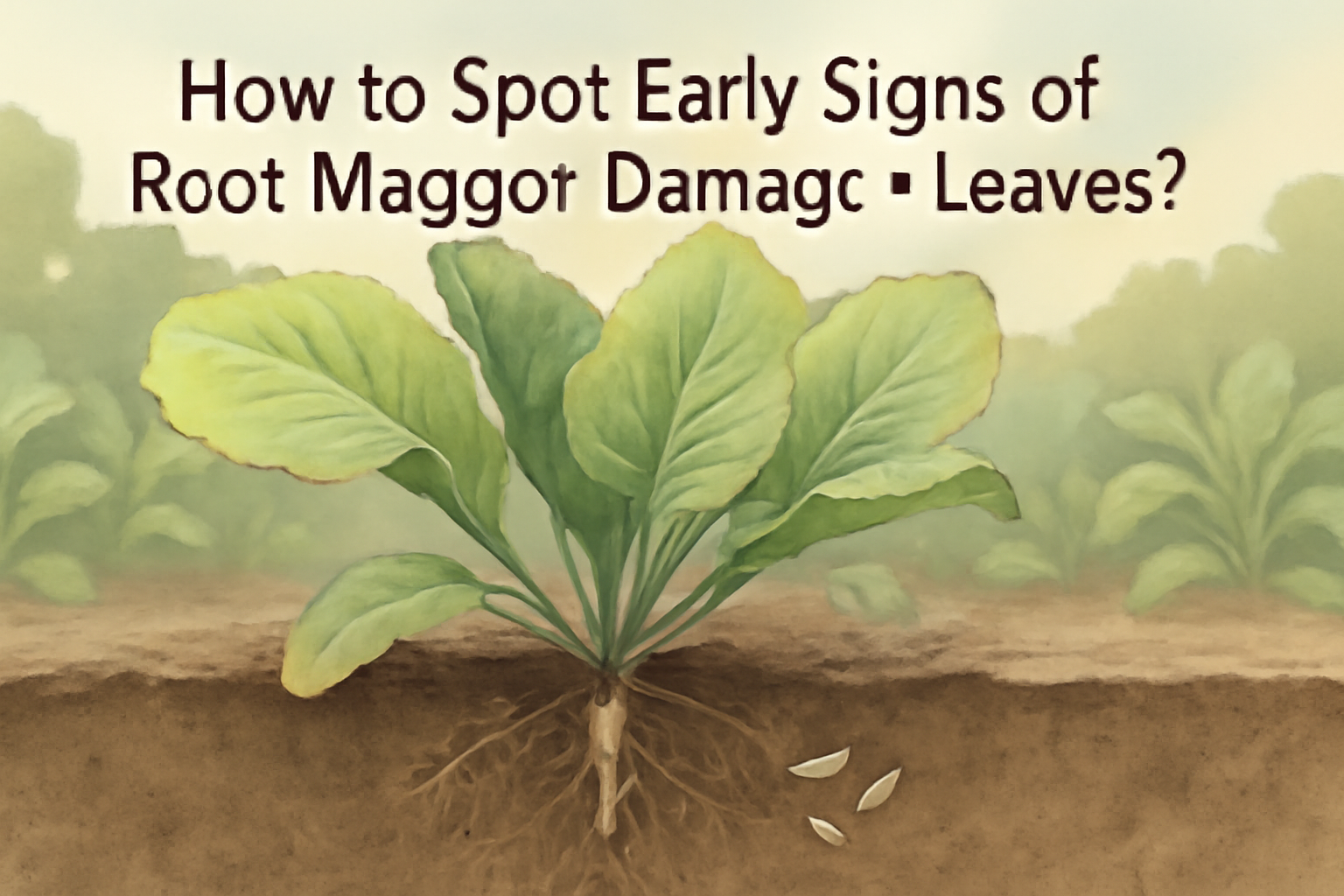
Root maggots create a distinct pattern of leaf damage that appears weeks before underground root destruction becomes severe. These small white larvae feed on plant roots, causing yellowing leaves, purple discoloration in brassicas, and gradual plant decline. Recognizing these early warning signs allows gardeners to implement natural control measures before losing their entire crop.
Early detection saves vegetables from permanent damage. Root maggots attack during predictable windows when adult flies emerge to lay eggs in soil around host plants.
This guide covers nine critical leaf symptoms that indicate root maggot activity, timing for monitoring, and immediate response protocols to protect your garden naturally.
What Are Root Maggots and Why Do They Cause Leaf Damage?
Root maggots are the larval stage of small flies in the Delia genus that attack plant root systems, causing distinctive above-ground symptoms that appear on leaves before root damage becomes severe. These tiny white grubs feed on root tissue, disrupting water and nutrient uptake that creates visible stress signals in foliage.
| Photo | Popular Pest Repellents | Price |
|---|---|---|

|
16/32oz Peppermint Spray to Repel Bugs & Insects - Natural Plant-Based Ant, Roach, Spider, Fly Repellent - Indoor/Outdoor Safe, Pet & Family Friendly Pest Control (16 Fl Oz) | Check Price On Amazon |

|
Nature's Dome Pest Control Starter Kit – Makes 3 Bottles (16 oz Each) – Eco-Friendly, Plant-Based Formula for Ant, Roach, Spider, Fly, Flea & Insect Control – Child & Pet Safe for Indoor/Outdoor Use | Check Price On Amazon |

|
(2025 Upgraded) Ultrasonic Insect & Pest Indoor Repeller – Stronger Driving Force, Plug-in Control Electronic Repellent for Roach, Mouse, Rodent, Bugs, Spider, Mice, Ant, 2 Mode Switching (6 Pack) | Check Price On Amazon |

|
LONYEON 8L Electric ULV Cold Fogger Machine with Backpack Mist Atomizer, Adjustable Flow Rate, Large Area Spraying for Home Indoor Outdoor | Check Price On Amazon |

|
Pest Control, Mouse Repellant Pouches, 10 Pack, Mice Repellent Indoor, Peppermint Oil for Rodents & Cucarachas & Spiders & Snakes, Safe Effective Rodent Repellent for Car Engines, RV, Home Use | Check Price On Amazon |
Three main species target different plant families. Cabbage root maggot (Delia radicum) attacks brassica vegetables including cabbage, broccoli, cauliflower, and radishes. Onion maggot (Delia antiqua) targets allium crops like onions, garlic, and leeks.
Seed corn maggot (Delia platura) attacks germinating seeds and young plants across multiple families. Adult flies emerge from soil when temperatures reach 45-50°F consistently, typically occurring in early spring as soil warms.
Underground root feeding creates immediate vascular damage that restricts water movement from roots to leaves. This disruption appears as wilting during hot weather, yellowing leaf margins, and reduced plant vigor. According to University of Minnesota Extension research, plants show visible symptoms within 2-3 weeks of initial larval feeding.
The root-to-leaf damage progression follows a predictable pattern. As larvae consume root hairs and outer root tissue, plants cannot absorb adequate moisture and nutrients, forcing leaves to display stress indicators before root destruction becomes irreversible.
How to Distinguish Root Maggot Leaf Symptoms from Other Plant Problems?
Root maggot damage creates a specific pattern of leaf symptoms that differs significantly from nutrient deficiencies, diseases, and other pest problems. The gradual yellowing progression and seasonal timing provide key diagnostic clues that separate root maggot damage from similar-looking issues.
Timing patterns offer the most reliable differentiation method. Root maggot symptoms appear during predictable spring emergence windows when soil temperatures reach 45°F, while nutrient deficiencies develop throughout the growing season without seasonal correlation.
| Problem Type | Leaf Pattern | Timing | Progression Speed |
| Root Maggots | Gradual yellowing from outer leaves inward, purple tinting in brassicas | Spring emergence, predictable seasonal pattern | 2-3 weeks from first symptoms to severe decline |
| Nitrogen Deficiency | Uniform yellowing across all leaves, older leaves first | Any time during growing season | Slow, consistent progression over months |
| Transplant Shock | Immediate wilting, all leaves affected equally | Within 48 hours of transplanting | Recovery within 7-10 days or plant death |
| Root Rot Disease | Dark, water-soaked areas, blackened leaf edges | During wet, cool conditions | Rapid decline over 5-7 days |
Progression speed distinguishes root maggot damage from most other problems. According to Oregon State University Extension, root maggot symptoms develop gradually over 2-4 weeks, while disease problems typically show rapid deterioration within days.
Soil inspection confirms root maggot presence when leaf symptoms appear unclear. Gently excavate around affected plant roots to locate small white larvae or brown tunneling damage in root tissue.
Visual Comparison: Root Maggot Damage vs Common Look-Alikes
These side-by-side comparisons help distinguish root maggot leaf symptoms from commonly confused problems. Root maggot damage shows gradual yellowing from outer leaves moving inward, often accompanied by purple tinting in brassica crops and wilting during afternoon heat stress.
Nitrogen deficiency creates uniform yellowing across all plant leaves simultaneously, with older leaves turning yellow first regardless of position. The yellowing appears consistent across the entire leaf surface without purple discoloration.
Transplant shock causes immediate wilting of all leaves within 24-48 hours of planting, with recovery occurring within one week if plants survive. Root maggot symptoms develop weeks after planting and worsen progressively.
Clubroot disease produces swollen, distorted roots along with similar leaf yellowing, but affected roots show obvious gall formation that distinguishes this fungal problem from maggot feeding damage.
What Does the Early Stage Root Maggot Leaf Damage Timeline Look Like?
Root maggot damage follows a predictable timeline from egg hatching to visible leaf symptoms, allowing for early intervention windows. Understanding this progression helps gardeners identify optimal treatment timing before severe plant damage occurs.
Week 1-2 after egg laying shows no visible symptoms while newly hatched larvae begin feeding on fine root hairs. Plants maintain normal appearance despite initial root system damage starting below ground.
Week 3-4 reveals first subtle leaf changes as root feeding disrupts water uptake. Outer leaves may show slight yellowing or reduced turgor pressure during afternoon heat, though plants appear healthy during cooler morning hours.
Week 5-6 displays clear symptom progression with obvious yellowing, purple tinting in brassicas, and consistent wilting during warm weather. Plant growth slows noticeably compared to healthy specimens nearby.
Week 7 and beyond shows severe damage including premature leaf drop, stunted growth, and plant death if larvae populations are high. According to Pennsylvania State University research, plants rarely recover once symptoms reach this advanced stage.
Temperature and soil moisture significantly influence timeline speed. Warm soil temperatures (60-70°F) accelerate larval development, while cool, wet conditions slow progression by 1-2 weeks compared to average timing.
Temperature and Soil Conditions That Accelerate Symptom Development
Certain environmental conditions make root maggot symptoms appear faster and more severely. Soil temperatures between 60-70°F accelerate larval feeding activity, causing leaf symptoms to develop 7-10 days earlier than average timing.
High soil moisture levels above 70% saturation stress plants additionally while supporting root maggot survival rates above 85%. Dry soil conditions below 40% moisture slow larval development but increase plant stress responses.
Plant stress from transplanting, nutrient deficiency, or weather extremes compounds visible root maggot symptoms, making damage appear more severe than actual larval populations would typically cause.
Northern growing regions experience slower development due to cooler spring soil temperatures, while southern zones show accelerated timelines with symptoms appearing 10-14 days sooner than northern averages.
Which Specific Leaf Changes Indicate Early Root Maggot Activity?
Nine distinct leaf symptoms reliably indicate root maggot feeding before root damage becomes irreversible. These visual cues appear in predictable sequence, allowing gardeners to assess infestation severity and treatment urgency.
1. Subtle yellowing of outer older leaves begins first, typically affecting 2-3 leaves per plant initially. This yellowing appears different from nutrient deficiency by targeting outer leaves specifically rather than affecting all foliage uniformly.
2. Purple or reddish tinting develops in brassica crops as plants respond to root stress. This anthocyanin production occurs along leaf margins and veins, creating distinctive purple patterns not seen with other problems.
3. Reduced leaf turgor and slight wilting during midday heat stress indicates compromised water uptake from damaged roots. Plants appear healthy during cool morning hours but droop consistently during afternoon heat.
4. Slower new leaf emergence and smaller leaf size compared to healthy plants shows growth reduction from nutrient restriction. New leaves measure 20-30% smaller than normal size for the variety.
5. Premature leaf drop starting with oldest leaves accelerates as root damage progresses. Healthy plants retain older leaves throughout early growing season, while affected plants shed leaves starting 3-4 weeks after emergence.
6. Blue-green discoloration in stressed plants indicates chlorophyll breakdown from nutrient deficiency caused by root feeding damage.
7. Leaf curling or cupping develops in severe cases as plants attempt to reduce water loss through reduced leaf surface area exposure.
8. Stunted overall plant growth compared to healthy neighbors becomes obvious 4-5 weeks after infestation begins, with affected plants measuring 30-40% shorter than normal.
9. Poor recovery from normal environmental stress like brief drought or temperature fluctuations shows compromised plant resilience from root system damage.
Symptom Variations in Brassica Crops (Cabbage, Broccoli, Radishes)
Brassica family plants show the most dramatic and easily recognizable root maggot leaf symptoms. Cabbage develops distinctive purple leaf edges starting with outer wrapper leaves, while inner leaves maintain green coloration initially.
Broccoli exhibits reduced head formation along with characteristic blue-green leaf coloration that differs from normal dark green foliage. Plants may form loose, small heads or fail to develop central heads entirely.
Radishes display premature bolting behavior with leaf yellowing accompanied by purple veining patterns throughout leaf surfaces. Root development stops, producing small, woody radishes unsuitable for harvest.
Brussels sprouts show delayed sprout development along with accelerated leaf drop from lower stem portions. Sprouts fail to form proper size or density when root maggot feeding occurs during critical development periods.
Cauliflower plants exhibit poor curd development with stunted leaf growth that fails to provide adequate protection for developing heads. Curds remain small or develop unevenly due to nutrient restrictions.
Detecting Root Maggot Damage in Onion Family Plants
Onion, garlic, and leek plants display subtler but distinct leaf symptoms when attacked by onion maggots. Yellowing tips progress downward along leaf length, starting from outermost leaves and moving toward center growth.
Reduced stand density becomes noticeable in planted rows as individual plants fail to emerge or die shortly after emergence. Healthy onion plantings maintain 90-95% emergence rates, while maggot-affected areas show 60-70% survival.
Affected plants develop soft, wilted appearance despite adequate soil moisture levels. Leaves lose normal rigid structure and bend easily compared to healthy specimens with firm, upright growth.
Poor bulb development appears visible at soil line where bulbs remain small or fail to develop proper size for the variety. Mature bulbs may show brown, soft areas where larval feeding damaged root attachment points.
When Should You Start Monitoring for Root Maggot Leaf Symptoms?
Successful root maggot detection requires monitoring at specific times when adult flies emerge and begin laying eggs. Timing varies by geographic region, with northern zones experiencing emergence in late April through May, while southern regions see activity starting in March through April.
Soil temperature provides the most reliable timing indicator for monitoring onset. Begin weekly inspections when soil temperature reaches 45°F consistently for 3-5 consecutive days, measured at 2-inch depth during early morning hours.
Weather pattern triggers include warm spells (60-70°F daytime temperatures) following extended cold periods below 40°F. These temperature transitions stimulate adult fly emergence from overwintering pupae in soil.
Multiple generation timing requires continued monitoring through summer months. Second generation flies emerge 6-8 weeks after initial spring emergence, typically occurring during mid to late summer depending on regional growing zones.
Integration with planting schedules helps optimize monitoring efficiency. Start inspections 2-3 weeks after seeding or transplanting susceptible crops, when plants develop sufficient foliage for symptom detection but early enough for effective intervention.
According to University of Minnesota Extension research, monitoring during the first 4-6 weeks after planting captures 85% of potential root maggot problems when intervention remains most effective.
What Inspection Techniques Help Detect Subtle Early Symptoms?
Systematic inspection techniques reveal early root maggot symptoms that casual observation might miss. Weekly morning inspections between 7-9 AM provide optimal lighting conditions and allow observation of overnight recovery from previous day’s stress.
Plant comparison methods involve examining questionable plants alongside healthy specimens of the same variety planted simultaneously. This side-by-side assessment reveals subtle differences in leaf color, size, and vigor that indicate developing problems.
Soil-level examination for adult flies requires checking around plant bases during warm, calm mornings when flies are most active. Adult flies measure 3-5mm long with grayish coloration and can be observed hovering near host plants.
Gentle excavation techniques help confirm root maggot presence when leaf symptoms appear uncertain. Use a small hand trowel to carefully expose roots within 2-3 inches of plant stem, looking for small white larvae or brown feeding tunnels.
Photography for symptom progression tracking documents changes over time, helping distinguish root maggot damage from temporary stress conditions. Take weekly photos of the same plants from consistent angles to identify progression patterns.
Record-keeping systems enable pattern recognition across multiple growing seasons. Track emergence dates, symptom onset timing, and weather conditions to predict future infestation windows more accurately.
Tools and Equipment for Early Detection Monitoring
Simple tools improve your ability to detect subtle root maggot leaf symptoms early. A hand lens or magnifying glass with 10x magnification reveals fine details in leaf discoloration and damage patterns not visible to naked eye examination.
Garden journals or smartphone apps help track symptom progression and timing patterns across multiple plants and seasons. Record dates, weather conditions, and symptom severity for each inspection.
Small hand trowels allow gentle root inspection without causing additional plant damage during examination. Choose narrow-blade trowels for precise excavation around root zones.
Yellow sticky traps positioned near susceptible crops help monitor adult fly activity and predict egg-laying timing for preventive interventions.
Soil thermometers provide accurate temperature readings for timing predictions. Digital models with probe extensions measure soil temperature at 2-inch depth where root maggot eggs develop.
How Quickly Should You Act After Spotting Early Root Maggot Symptoms?
Early root maggot symptoms require immediate natural intervention within 48-72 hours for maximum treatment effectiveness. This narrow window occurs because larvae mature rapidly once feeding begins, making treatments less effective as development progresses.
Window for effective natural treatment closes before larvae reach third instar stage, approximately 10-14 days after symptoms first appear. Natural spray treatments work best when applied during early larval stages before extensive root damage occurs.
Beneficial nematode application timing requires soil temperatures above 50°F and adequate moisture for nematode survival. Apply Steinernema feltiae nematodes within 3-5 days of symptom detection for optimal larval control.
Row cover installation prevents additional egg laying by adult flies still active in the area. Install covers immediately after symptom detection to break the reproduction cycle and protect remaining healthy plants.
Plant removal decisions for severely affected specimens should occur within one week of symptom detection. Plants showing more than 50% leaf yellowing or extensive wilting rarely recover and may harbor developing larvae populations.
Prevention measures for surrounding healthy plants include soil drenches with beneficial bacteria and installation of physical barriers around unaffected plantings within the same garden area.
What Natural Prevention Strategies Stop Root Maggot Leaf Damage Before It Starts?
Preventing root maggot infestations eliminates the need to detect and treat leaf damage symptoms entirely. Integrated prevention approaches combine multiple strategies for maximum effectiveness against adult flies before egg laying occurs.
1. Row cover installation timing before adult fly emergence provides complete physical protection when applied 2-3 weeks before expected emergence dates. Use lightweight floating row covers secured at soil level to prevent adult access to host plants.
2. Beneficial nematode soil inoculation through preventive applications establishes resident populations before problems develop. Apply Steinernema feltiae nematodes at 25 million per 1,000 square feet during soil preparation.
3. Companion planting strategies using repellent plants and trap crops create natural barriers around susceptible vegetables while supporting beneficial insects for long-term pest management.
4. Crop rotation planning breaks pest cycles by removing host plants from previously infested areas for 2-3 seasons. Rotate brassicas and alliums with non-host crops like tomatoes, peppers, or legumes.
5. Soil health improvement through organic matter additions supports plant resistance to pest stress. Maintain soil organic matter levels above 3% through regular compost applications.
6. Timing modifications involve delayed planting schedules to avoid peak adult emergence periods. Plant susceptible crops 2-3 weeks later than traditional timing to miss primary fly activity.
7. Physical barriers and mulching techniques using diatomaceous earth around plant bases deter egg laying while improving soil moisture retention.
8. Beneficial insect habitat creation supports natural predators including ground beetles and spiders that consume adult flies and larvae.
Companion Plants That Deter Root Maggot Adults
Strategic companion planting creates natural barriers that prevent root maggot flies from laying eggs near susceptible crops. Aromatic herbs including tansy, mint, and catnip should be planted 3-4 feet from main crop areas to provide deterrent effects without competing for nutrients.
Alliums serve dual purposes as pest deterrents and food crops when planted around brassica beds. Plant garlic cloves and chives in rows between cabbage family vegetables for natural fly repellency.
Trap crops using fast-growing radishes attract and concentrate root maggot adults for monitoring and targeted control. Plant radish rows 10-15 feet from main crops to draw flies away from valuable vegetables.
Beneficial insect plants including yarrow, dill, and fennel support natural predator populations that consume adult flies and reduce egg laying success rates. Plant these species around garden perimeters for maximum beneficial insect habitat.
Soil Amendments That Reduce Root Maggot Attraction
Certain soil amendments make the growing environment less attractive to root maggot flies while supporting plant health. Diatomaceous earth applications around plant bases create physical barriers that deter adult flies from laying eggs in soil.
Wood ash applications raise soil pH slightly in acidic soils, creating conditions less favorable for root maggot egg development while providing potassium nutrition for plants.
High-quality compost improves plant resistance to pest stress through enhanced nutrition and beneficial microorganism activity. These amendments work particularly well in controlled environments where soil conditions can be managed precisely.
Beneficial microorganism inoculation using mycorrhizal fungi and bacterial blends improves plant vigor and root system health for better pest resistance.
Frequently Asked Questions About Root Maggot Leaf Symptoms
Can root maggot damage be reversed once leaf symptoms appear?
Root maggot damage cannot be completely reversed once leaf symptoms appear, but plants can recover if treatment occurs within the first week of symptom detection. According to Cornell University research, plants showing less than 25% leaf yellowing can recover 70-80% normal productivity with immediate beneficial nematode treatment and improved growing conditions.
Recovery requires removing affected roots, improving soil drainage, and supporting remaining root development through organic fertilizer applications. Plants typically require 4-6 weeks to show improved growth after successful treatment.
Severely affected plants with more than 50% leaf damage rarely recover sufficiently for harvest and should be removed to prevent continued larval development in garden areas.
Do root maggot leaf symptoms look different in container gardens versus ground plantings?
Root maggot symptoms appear more severe and progress faster in container gardens due to restricted root space and limited soil volume for larval populations. Container plants show wilting symptoms during moderate temperatures that wouldn’t affect ground-planted specimens.
Drainage differences in containers can intensify stress symptoms, making root maggot damage appear worse than actual larval populations would typically cause in garden soil conditions.
Container inspection allows easier root examination for confirming root maggot presence compared to ground plantings where excavation may damage surrounding plants.
How long do root maggot leaf symptoms take to appear after egg laying?
Root maggot leaf symptoms typically appear 2-3 weeks after adult flies lay eggs in soil around host plants. This timeline varies with soil temperature, with warmer conditions (60-70°F) accelerating development by 3-5 days compared to cooler soil temperatures below 55°F.
Initial symptoms may be subtle and easily missed during the first week of development, becoming obvious only during the third week when root damage reaches critical levels affecting plant water uptake.
Are there root maggot leaf symptoms that only appear in organic gardens?
Root maggot leaf symptoms appear identical in organic and conventional gardens, as the physical damage from larval feeding creates the same plant stress responses regardless of growing methods. However, organic gardens may show slower symptom progression due to improved soil biology and plant health from organic matter additions.
Soil health differences in organic systems can improve plant tolerance to root stress, making symptoms appear less severe initially while providing better recovery potential after treatment.
What should you do if only some plants show root maggot leaf symptoms?
Isolate affected plants immediately by installing row covers or removing severely damaged specimens to prevent adult flies from completing their lifecycle and producing additional generations. Apply beneficial nematodes around remaining healthy plants within a 10-foot radius of affected areas.
Monitor surrounding plants daily for early symptom development, as root maggot infestations often spread gradually through garden areas rather than affecting all plants simultaneously.
Install yellow sticky traps around healthy plants to capture any adult flies emerging from soil near affected plants before they can lay additional eggs.
Can beneficial insects cause leaf damage that looks like root maggot symptoms?
Beneficial insects do not cause leaf symptoms that resemble root maggot damage, as beneficial species target harmful pests rather than plant tissue. Root maggot symptoms result from underground larval feeding that disrupts plant vascular systems, while beneficial insects work above ground against pest species.
Confusion may arise when beneficial insects are present during root maggot infestations, but careful soil inspection reveals the true cause of plant stress through larval presence or root feeding damage.
