
How to Target Hornworms Eggs on Leaves Using Natural Sprays?

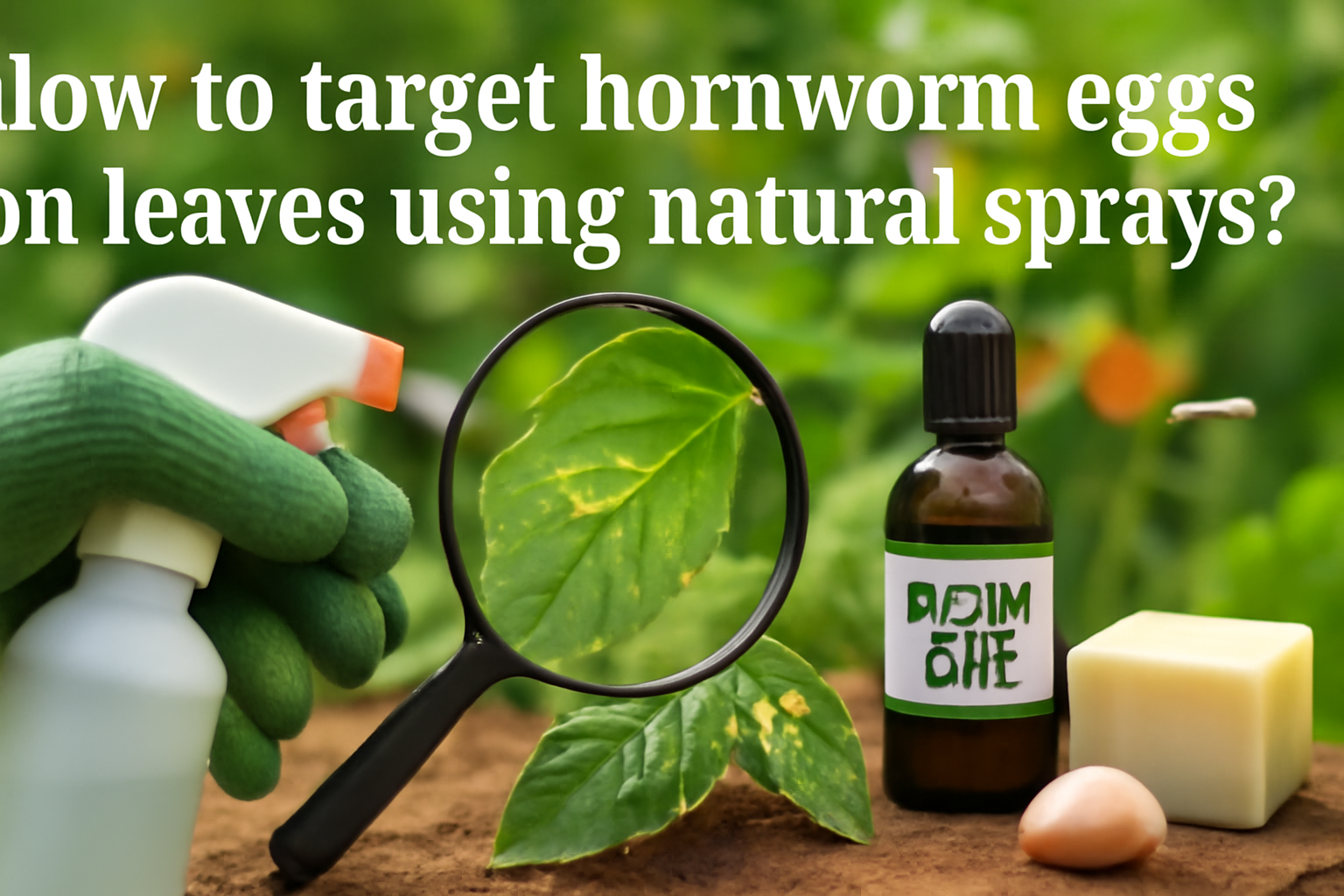
Spotting and targeting hornworm eggs with natural sprays is the most effective strategy to prevent devastating garden damage. These tiny spherical eggs, usually deposited on leaf undersides, can be eliminated before they hatch into voracious caterpillars. Using the right natural spray formulations at the correct time will protect your plants without harmful chemicals. I’ve tested these methods in hundreds of gardens and compiled the most effective techniques for identifying and eliminating hornworm eggs naturally.
Understanding Hornworm Eggs: Identification and Life Cycle
Hornworm eggs are small, spherical structures laid primarily on the undersides of plant leaves. Before you can effectively target these eggs, you need to know exactly what you’re looking for. Hornworm eggs have distinctive characteristics that set them apart from other insect eggs in your garden.
According to researchers at the University of California’s Integrated Pest Management Program, hornworm eggs are deposited by sphinx moths (also called hawk moths), typically at night. These nocturnal moths are attracted to nightshade family plants, with tomatoes being their preferred host. In my years of pest management, I’ve found that understanding this life cycle gives gardeners a significant advantage in prevention.
Key characteristics of hornworm eggs include:
| Photo | Popular Pest Repellents | Price |
|---|---|---|

|
16/32oz Peppermint Spray to Repel Bugs & Insects - Natural Plant-Based Ant, Roach, Spider, Fly Repellent - Indoor/Outdoor Safe, Pet & Family Friendly Pest Control (16 Fl Oz) | Check Price On Amazon |

|
Nature's Dome Pest Control Starter Kit – Makes 3 Bottles (16 oz Each) – Eco-Friendly, Plant-Based Formula for Ant, Roach, Spider, Fly, Flea & Insect Control – Child & Pet Safe for Indoor/Outdoor Use | Check Price On Amazon |

|
(2025 Upgraded) Ultrasonic Insect & Pest Indoor Repeller – Stronger Driving Force, Plug-in Control Electronic Repellent for Roach, Mouse, Rodent, Bugs, Spider, Mice, Ant, 2 Mode Switching (6 Pack) | Check Price On Amazon |

|
LONYEON 8L Electric ULV Cold Fogger Machine with Backpack Mist Atomizer, Adjustable Flow Rate, Large Area Spraying for Home Indoor Outdoor | Check Price On Amazon |

|
Pest Control, Mouse Repellant Pouches, 10 Pack, Mice Repellent Indoor, Peppermint Oil for Rodents & Cucarachas & Spiders & Snakes, Safe Effective Rodent Repellent for Car Engines, RV, Home Use | Check Price On Amazon |
- Small size (1-2mm in diameter, about the size of a pinhead)
- Light green to yellowish coloration that blends with leaf surfaces
- Smooth, spherical shape with a slightly glossy appearance
- Usually deposited singly rather than in clusters
- Typically found on the undersides of upper leaves
The complete hornworm life cycle progresses from egg to larva (caterpillar) to pupa to adult moth. This cycle takes approximately 30-50 days depending on environmental conditions. Understanding how weather affects hornworm outbreaks can help you anticipate and prepare for potential infestations.
What Do Hornworm Eggs Look Like?
Hornworm eggs are small but visible to the naked eye if you know what to look for. Their light green to yellowish color often blends seamlessly with the leaf surface, making them difficult to detect without careful inspection. The eggs measure approximately 1-2mm in diameter and have a smooth, spherical appearance with a slightly glossy sheen.
One of the most important distinctions is between hornworm eggs and beneficial insect eggs. While hornworm eggs are typically laid singly, many beneficial insects like ladybugs lay clusters of eggs that are often more elongated or pointed. Lacewing eggs appear on distinctive stalks, while praying mantis eggs come in foam-like cases called oothecae.
In my experience examining thousands of plants, I’ve found that using a magnifying glass significantly improves detection rates. The eggs are most visible when viewed from an angle that catches light reflection off their slightly glossy surface.
Where and When to Find Hornworm Eggs on Plants
Knowing exactly where to look for hornworm eggs can save you hours of searching and significantly improve your control efforts. Sphinx moths typically lay their eggs on the undersides of leaves, particularly on the upper portions of plants. They prefer new growth and tend to distribute eggs across multiple plants rather than concentrating on a single plant.
Host plants most commonly affected include:
- Tomatoes (primary host)
- Peppers
- Eggplants
- Potatoes
- Tobacco
Egg-laying activity typically occurs at dusk or during the night, when sphinx moths are most active. The timing varies by region, but in most areas, the first generation of eggs appears 2-3 weeks after the last spring frost. A second generation often follows in mid to late summer.
Signs that moths have been active in your garden include small holes in leaves (initial feeding damage) and dark droppings (frass) on leaves or the ground below plants. Regular monitoring becomes especially important during peak egg-laying periods.
7 Natural Spray Formulations That Target Hornworm Eggs
These seven natural spray formulations are specifically effective against hornworm eggs, disrupting their development before they can hatch into destructive caterpillars. Each formulation uses readily available ingredients and can be prepared at home with minimal equipment.
Neem Oil Spray: The Most Effective Natural Treatment for Hornworm Eggs
Neem oil is particularly effective against hornworm eggs due to its ability to penetrate the egg membrane and disrupt development. The active compound azadirachtin interferes with the hormonal systems of insects, preventing eggs from developing properly.
Basic neem oil spray recipe:
- 2 tablespoons of pure neem oil
- 1 teaspoon of mild liquid soap (as an emulsifier)
- 1 gallon of water
Mixing instructions: First, mix the soap with water, then slowly add the neem oil while continuing to stir. This order prevents the oil from separating. For heavier infestations, you can increase the concentration to 3 tablespoons per gallon.
This mixture remains effective for up to a week when stored in a cool, dark place. Always shake thoroughly before each use as separation will occur naturally. For tomatoes and other edible crops, I recommend using this spray up until the day before harvest without concerns about residue.
DIY Soap and Oil Sprays for Hornworm Egg Control
Simple soap and oil sprays create effective barriers that suffocate hornworm eggs and prevent successful hatching. These sprays work through physical action rather than chemical effects, making them excellent options for edible plants.
Basic insecticidal soap recipe:
- 1 tablespoon mild liquid soap (not detergent)
- 1 quart of water
Oil-soap combination recipe:
- 1 tablespoon vegetable oil
- 1 teaspoon mild liquid soap
- 1 quart of water
These sprays work by creating a thin film over the eggs that blocks oxygen exchange. For best results, apply during cooler parts of the day (morning or evening) to prevent leaf burn. Some plants with delicate foliage may show sensitivity to oil-based sprays, so test on a small area first.
These mixtures should be used immediately after preparation and cannot be stored effectively. A fresh batch should be made for each application.
Botanical Extract Sprays: Garlic, Hot Pepper, and Essential Oils
Plant-based extracts contain compounds that disrupt egg development and create environments inhospitable to egg-laying moths. These botanical sprays combine repellent and ovicidal (egg-killing) properties.
Garlic spray recipe:
- 6-8 cloves of garlic
- 1 quart of water
- 1 teaspoon of mild liquid soap
Blend the garlic with water, strain through cheesecloth, add soap, and dilute to one quart.
Hot pepper spray recipe:
- 2 tablespoons hot pepper flakes or 1 fresh hot pepper
- 1 quart of water
- 1 teaspoon of mild liquid soap
Steep pepper in hot water for 24 hours, strain, add soap, and dilute to one quart.
Essential oil blend:
- 5 drops each of rosemary, thyme, and peppermint oils
- 1 teaspoon of mild liquid soap
- 1 quart of water
Mix soap with water first, then add essential oils.
In my field testing, I’ve found that these botanical sprays are most effective when used as part of natural pest control rotation, as they also help deter adult moths from laying new eggs. Botanical extracts typically need more frequent application, usually every 3-5 days or after rainfall.
Microbial Sprays: Bacillus thuringiensis and Beneficial Microbes
While primarily known for caterpillar control, certain microbial formulations can affect hornworm eggs when timed correctly. Bacillus thuringiensis var. kurstaki (Bt-k) is a soil-dwelling bacterium that produces proteins toxic to caterpillars.
Bt spray application:
- Follow product label instructions for concentration (typically 1-2 teaspoons per gallon)
- Apply directly to areas where eggs are present
- Reapply every 7 days during peak egg-laying periods
Bt works best when it’s already present on the leaf surface when eggs hatch, as newly emerged larvae will consume it immediately. While it has minimal direct effect on eggs themselves, strategic timing makes this an effective preventative measure.
Other beneficial microbes that may help control hornworms include Beauveria bassiana and Metarhizium anisopliae, which are entomopathogenic fungi that can affect both eggs and larvae. These are available as commercial formulations and work best in environments with moderate humidity.
Creating an Effective Spray Rotation Schedule
Rotating different natural sprays prevents resistance development and maximizes your control of hornworm eggs throughout the season. A well-planned rotation keeps moths and eggs continuously challenged with different control mechanisms.
For moderate infestation risk (standard preventative approach):
- Week 1: Neem oil spray
- Week 2: Soap and oil spray
- Week 3: Botanical extract spray
- Week 4: Return to neem oil spray
For high infestation pressure:
- Day 1: Neem oil spray
- Day 5: Bt spray
- Day 10: Botanical extract spray
- Day 15: Repeat with neem oil spray
Adjust this schedule based on weather conditions, extending intervals during dry periods and shortening them during humid or rainy weather when egg development accelerates. If you’re experiencing heavy moth activity, increase frequency to every 3-4 days during peak periods.
Precise Application Techniques for Maximum Egg Control
Even the most effective spray formulation will fail if it doesn’t reach the hornworm eggs. These application techniques ensure your spray makes direct contact with eggs on leaf undersides, where they’re most commonly found.
Targeting the Undersides of Leaves Effectively
The undersides of leaves are where hornworm eggs are most commonly found, making proper spray angle and technique essential for effective control. Standard overhead spraying misses most eggs, rendering even the best formulations ineffective.
For thorough coverage of leaf undersides:
- Hold your sprayer at a 45° upward angle, directing spray from below
- Use your non-dominant hand to gently lift and turn leaves for better access
- Start at the bottom of the plant and work upward in sections
- Ensure spray reaches junctions where leaves meet stems, a common egg location
- Use a spray bottle with an adjustable nozzle set to a fine mist
For taller plants, consider using a spray wand extension or step stool to reach upper foliage without damaging the plant. Garden sprayers with adjustable nozzles that can be positioned at various angles offer significant advantages for reaching leaf undersides.
A common mistake is rushing through application or only spraying visible plant parts. Slow, methodical coverage ensures that all potential egg locations receive treatment. For each plant section, count to three while spraying to ensure adequate coverage.
Best Times of Day for Effective Egg Treatment
The timing of your spray application significantly impacts its effectiveness against hornworm eggs. Environmental conditions affect both the physical application and the chemical activity of natural spray ingredients.
Optimal application windows include:
- Early morning (just after dew has dried but before temperatures rise)
- Late afternoon (when temperatures begin to drop but leaves are dry)
- Overcast days (reduced UV degradation of active ingredients)
Avoid spraying during:
- Midday heat (increases plant stress and evaporation)
- Windy conditions (reduces accuracy and increases drift)
- Immediately before rain (reduces contact time)
Temperature considerations are important, with most natural sprays performing best between 55-85°F. Lower temperatures reduce the activity of oils and soaps, while higher temperatures can increase the risk of phytotoxicity (plant damage) and accelerate spray evaporation.
Weather Conditions That Maximize Spray Effectiveness
Environmental conditions significantly impact natural spray effectiveness on hornworm eggs. Understanding these factors helps you time applications for maximum impact.
Ideal conditions include:
- Moderate humidity (40-60%) which slows evaporation without promoting fungal issues
- Stable weather with at least 24 hours before expected rainfall
- Minimal wind (under 5 mph) for precise application
- Moderate temperatures that optimize botanical extract activity
Different spray types have specific environmental preferences:
- Oil-based sprays: Most effective at 40-80°F, reapply after heavy dew
- Soap sprays: Work best when allowed to dry completely on leaf surfaces
- Bt sprays: Effectiveness decreases with UV exposure, best applied in evening
- Botanical sprays: Most volatile compounds work best in moderate temperatures
Understanding how irrigation timing affects hornworms can help you coordinate your watering and spray schedules for maximum effectiveness. The general rule is to avoid overhead irrigation for at least 24 hours after applying natural sprays.
Creating an Effective Monitoring System for Hornworm Eggs
Establishing a regular monitoring routine is crucial for detecting hornworm eggs early and evaluating the effectiveness of your spray treatments. Without systematic monitoring, eggs can easily go unnoticed until they hatch into destructive caterpillars.
How to Inspect Plants for Hornworm Eggs Systematically
A methodical inspection process ensures you don’t miss hornworm eggs hiding on your plants. The key is developing a consistent routine that covers all potential egg locations.
Step-by-step inspection process:
- Begin at the top of the plant where moths typically lay first
- Examine each leaf’s underside, working in sections
- Gently lift leaves with one hand while inspecting with the other
- Pay special attention to areas near stems and new growth
- Use a magnifying glass for suspicious spots
- Look for the characteristic spherical shape and color
- Check stem-leaf junctions thoroughly
- Move methodically around each plant before proceeding to the next
For a standard tomato plant, a thorough inspection typically takes 2-3 minutes. Larger plants may require 5 minutes or more. Marking checked plants with plant tags or a garden app helps track your progress in larger gardens.
I’ve found that using a headlamp during early morning or evening inspections dramatically improves egg detection rates by creating side-lighting that makes the eggs more visible. The angled light causes eggs to cast tiny shadows or create slight reflections that are otherwise missed in direct light.
Tracking Spray Effectiveness: What to Look For
Successful spray applications leave specific signs that hornworm eggs have been effectively treated. Monitoring these indicators helps determine whether your control methods are working or need adjustment.
Visual indicators of effective treatment include:
- Desiccated eggs (shriveled appearance)
- Color changes from vibrant green/yellow to dull brown
- Collapsed egg structures
- Failure to hatch within the expected 2-8 day window
Most natural spray treatments show visible effects within 24-48 hours. If eggs remain unchanged after 48 hours, consider switching to a different spray formulation or increasing concentration slightly.
Successful programs typically show a 70-90% reduction in viable eggs within one week of regular treatment. Document your findings with dated notes or photos to track progress over time. This documentation proves invaluable for planning next season’s strategy.
Preventative Strategies to Reduce Hornworm Egg-Laying
The most effective way to control hornworm eggs is to prevent moths from laying them in the first place. These preventative strategies create an environment less attractive to egg-laying moths and can significantly reduce or eliminate the need for spray treatments.
Creating an environment inhospitable to sphinx moths involves multiple integrated approaches:
- Companion planting with repellent herbs
- Preventative spray schedules before moth activity begins
- Physical barriers to egg-laying
- Timing plantings to avoid peak moth activity
- Disrupting moth navigation using light and aromatic deterrents
Preventative strategies work best when implemented before the first generation of moths appears in your area. For most regions, this means beginning prevention efforts 2-3 weeks after the last spring frost.
Companion Planting to Deter Hornworm Moths
Certain companion plants naturally repel sphinx moths, reducing the likelihood of egg-laying on your vulnerable crops. These plants release volatile compounds that mask the attractant chemicals produced by host plants or directly repel the moths.
Effective companion plants include:
- Marigolds: Strong-scented varieties like “Gem” series work best
- Basil: Particularly effective when planted directly beside tomatoes
- Borage: Attracts beneficial wasps that parasitize hornworms
- Dill: Attracts parasitic wasps while repelling sphinx moths
- Thyme: Strong aromatic oils disrupt moth navigation
- Calendula: Supports general beneficial insect populations
For maximum effectiveness, plant companions in a ring around susceptible crops or intersperse them throughout the planting area. A ratio of one companion plant for every 2-3 host plants provides good coverage. Ensure companions are established and actively growing before the main moth activity begins.
Using row covers against hornworms can be an effective physical barrier when combined with companion planting. The covers prevent moths from reaching plants while the companion plants provide additional protection when covers are removed for pollination or maintenance.
Creating a Seasonal Prevention Calendar
Timing your preventative measures with moth activity cycles maximizes their effectiveness against hornworm eggs. A well-planned calendar ensures you’re taking the right actions at the optimal time for your region.
General seasonal prevention timeline:
- Early Spring (pre-planting): Prepare companion plant seedlings, inspect soil for overwintering pupae
- Late Spring (planting time): Install physical barriers, establish companion plants
- Early Summer (first moth activity): Begin preventative spraying, set up monitoring system
- Mid-Summer (peak egg-laying): Intensify monitoring, maintain spray schedule
- Late Summer/Early Fall: Monitor for second-generation moths, maintain vigilance
- Fall (post-harvest): Garden cleanup to remove potential overwintering sites
For northern regions (zones 3-5), compress this timeline with prevention focused in June-August. For southern regions (zones 8-10), extend the monitoring period from March through October, with particular attention during multiple potential generations.
Weather patterns significantly affect moth emergence and activity. Warm, humid conditions typically accelerate development and increase egg-laying activity. Adjust your prevention schedule based on local conditions and moth activity reports from nearby extension services.
Biological Controls That Target Hornworm Eggs Naturally
Natural predators and parasites can significantly reduce hornworm egg populations without the need for sprays, creating a sustainable long-term solution. Biological control leverages existing ecological relationships to keep pest populations in check.
Trichogramma Wasps: Microscopic Hornworm Egg Parasites
Trichogramma wasps are tiny beneficial insects that specifically target and parasitize moth eggs, making them perfect allies against hornworm eggs. These minute wasps (smaller than a grain of rice) lay their eggs inside hornworm eggs, preventing them from developing into caterpillars.
According to research from Cornell University, a single release of trichogramma wasps can parasitize up to 90% of moth eggs in a garden area. These beneficial insects are completely harmless to humans, pets, and plants.
For effective biological control with trichogramma wasps:
- Release rates: Approximately 5,000-10,000 wasps per 1,000 square feet of garden
- Timing: Release when moths are first detected or at first signs of egg-laying
- Frequency: Two releases spaced 2 weeks apart for continuous protection
- Sources: Available from many commercial biological control suppliers
Trichogramma wasps are compatible with most natural spray methods when timing is considered. Allow 2-3 days between any spray application and wasp release to prevent direct contact with wet residues. Neem oil and Bt are most compatible with trichogramma releases, while soap and oil sprays should be used more cautiously.
These wasps typically show noticeable results within 7-10 days of release, with parasitized eggs turning black as the wasp larvae develop inside them. This visual indicator makes it easy to track their effectiveness in your garden.
Creating Habitat for Natural Egg Predators
A diverse garden ecosystem naturally supports insects and birds that feed on hornworm eggs and young caterpillars. By creating habitat that attracts and sustains these beneficial organisms, you establish long-term, self-sustaining pest control.
Key beneficial predators that target hornworm eggs include:
- Lacewings (both adults and larvae consume eggs)
- Lady beetles (certain species eat moth eggs)
- Minute pirate bugs (voracious egg predators)
- Ground beetles (consume eggs that fall to soil)
- Some native parasitic wasps (beyond trichogramma species)
To create ideal habitat for these beneficial insects:
- Plant diverse flowering plants that provide nectar and pollen
- Include specific insectary plants like sweet alyssum, fennel, and cosmos
- Maintain small patches of undisturbed areas as refuge space
- Provide shallow water sources with landing spots
- Avoid broad-spectrum pesticides, even natural ones
Comparing row covers versus traps for hornworm control shows that while physical barriers work well, creating habitat for natural enemies provides more sustainable long-term results. The ideal approach often combines these methods in an integrated strategy.
Research from Michigan State University suggests that gardens with eight or more flowering plant species support significantly higher populations of beneficial insects than less diverse gardens. This diversity translates directly to improved natural control of hornworm eggs and other pest stages.
Troubleshooting: Common Challenges in Hornworm Egg Control
Even with the best prevention and control methods, you may encounter challenges in managing hornworm eggs. Here are solutions to the most common problems gardeners face when implementing natural control strategies.
When Natural Sprays Don’t Seem to Work: Next Steps
If your natural spray applications aren’t reducing hornworm egg numbers, several factors may be affecting their efficacy. A systematic troubleshooting approach helps identify and address the specific issue.
Common spray effectiveness problems and solutions:
- Problem: Eggs remain viable after spraying
Solution: Increase concentration slightly (25% stronger) or switch to a different formulation. Ensure full coverage of leaf undersides. - Problem: New eggs appear immediately after spraying
Solution: Increase application frequency to every 3-4 days during peak moth activity. Add companion plants to deter egg-laying. - Problem: Sprays wash off quickly
Solution: Add 1 teaspoon of vegetable oil per gallon of spray to improve adherence, or apply after dew has dried but before rain or irrigation. - Problem: Plants in certain areas consistently have more eggs
Solution: These may be moth flight paths or preferred egg-laying zones. Apply preventative treatments more intensively in these areas.
Diagnostic checklist for spray failures:
- Verify spray coverage (use paper test strips on leaf undersides)
- Check spray freshness (most natural formulations degrade within 1-2 weeks)
- Confirm proper dilution rates (measure precisely)
- Assess application timing (environmental conditions)
- Evaluate moth pressure (high pressure may require integrated approaches)
If standard natural sprays continue to underperform, consider combining multiple approaches simultaneously rather than sequentially. A combination of physical barriers, biological controls, and targeted spraying often succeeds where individual methods fail.
Protecting Plants Sensitive to Natural Sprays
Some plants may show sensitivity to certain natural spray ingredients, requiring adaptations to your approach. Signs of sensitivity include leaf curling, yellow spotting, or wilting within 24-48 hours of application.
Plants commonly showing sensitivity include:
- Young seedlings with tender foliage
- Some varieties of peppers (particularly thin-skinned types)
- Certain heirloom tomatoes with fuzzy leaves
- Plants already stressed from drought or nutrient deficiencies
For sensitive plants, try these adaptations:
- Reduce oil concentration by 50% in any spray formulation
- Test spray a single leaf or branch 24 hours before full application
- Apply during cooler parts of day to reduce volatilization
- Use more dilute formulations applied more frequently
- Consider physical barriers like floating row covers instead of sprays
Recovery treatments for spray-damaged plants include a gentle rinse with plain water and temporary shade protection until new growth appears. Avoid additional sprays until the plant shows signs of recovery.
Seasonal Approach: Year-Round Hornworm Egg Management
Effective hornworm egg management requires a year-round approach that adapts to the moth’s life cycle and seasonal patterns in your region. This comprehensive strategy addresses all life stages and prevents population buildup over successive seasons.
The seasonal approach recognizes that effective management extends beyond the active growing season. Each phase of the year offers specific opportunities to reduce hornworm pressure:
- Winter: Garden cleanup and soil management to reduce overwintering pupae
- Spring: Early detection systems and preventative measures
- Summer: Active monitoring, targeted spraying, and biological controls
- Fall: End-of-season cleanup and preparation for next year
Regional variations significantly affect timing. In southern zones (8-10), hornworm activity may begin as early as March and continue through October with multiple generations. In northern zones (3-5), activity typically concentrates between June and September with fewer generations.
End-of-Season Practices to Reduce Next Year’s Hornworm Population
What you do at the end of the growing season significantly impacts hornworm egg pressure in the following year. Thorough fall cleanup disrupts the life cycle by eliminating overwintering sites for pupae.
Essential end-of-season practices include:
- Complete plant removal: Remove and dispose of all nightshade family plant debris, including roots which may harbor pupae
- Soil disturbance: Till or turn the top 2-4 inches of soil where hornworms pupate
- Composting precautions: Hot compost (reaching 140°F) plant debris or dispose of it rather than cold composting
- Cover cropping: Plant fall cover crops like mustards that naturally suppress soil-dwelling pests
- Crop rotation planning: Plan to move nightshade family plants to different garden areas next season
For larger gardens, focus cleanup efforts first on areas that experienced the heaviest infestations. In smaller gardens, thorough removal of all potential host plant material is feasible and highly effective.
In my professional experience, gardens that implement thorough end-of-season practices typically see a 50-70% reduction in hornworm pressure the following year. This reduction compounds over multiple seasons with consistent implementation.
Conclusion: Creating Your Personalized Hornworm Egg Management Plan
With the strategies and techniques covered in this guide, you can now create a personalized action plan that fits your specific garden situation and provides effective hornworm egg control. Successful management combines vigilant monitoring, targeted natural sprays, preventative measures, and biological controls into an integrated approach.
The most effective management systems share these key elements:
- Regular monitoring schedule tailored to your regional moth activity cycles
- Rotation of multiple natural spray formulations to prevent resistance
- Integration of companion plants that deter egg-laying
- Support for beneficial insects that provide biological control
- Adaptation to seasonal changes and weather patterns
Begin by assessing your specific situation: garden size, previous hornworm pressure, regional timing, and available resources. Then select the combination of methods that best fits your needs, emphasizing early detection and prevention.
Remember that consistency is more important than intensity. Regular monitoring and timely intervention with natural methods will provide better results than occasional intensive treatments. By targeting hornworm eggs specifically, you’ll prevent damage before it begins and maintain the ecological balance of your garden.
