
Ladybugs: Natural Helpers With Limits In Garden Pest Control

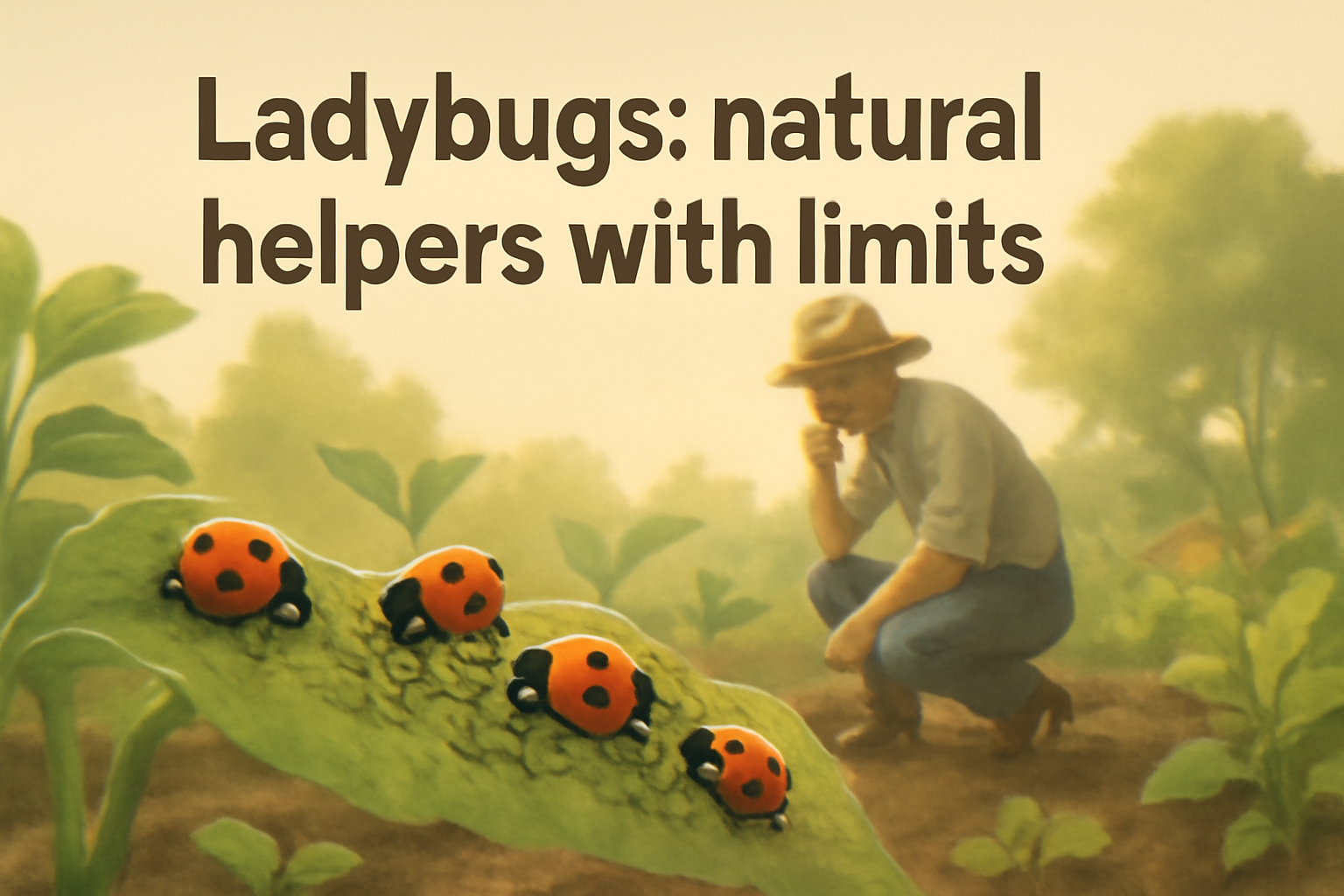
Ladybugs offer moderate pest control benefits but come with significant limitations that often frustrate gardeners. These small beetles can consume 50-60 aphids per day when conditions are optimal, but commercial releases typically fail due to natural dispersal behavior and environmental factors. Understanding both their capabilities and constraints helps gardeners make informed decisions about biological pest control strategies, evaluate cost-effective alternatives, and create realistic expectations for natural pest management approaches.
What Are Ladybugs and How Do They Actually Work for Pest Control?
Ladybugs belong to the Coccinellidae family, with common North American species including Hippodamia convergens and Adalia bipunctata. These beneficial beetles function as biological control agents by consuming soft-bodied insects during both larval and adult stages.
Adult ladybugs consume 50-60 aphids daily under optimal conditions, according to University of California research. The larvae stage actually provides more aggressive pest control, eating up to 400 aphids during their 2-3 week development period. Both stages target aphids, scale insects, spider mites, and other small arthropods.
The ladybug life cycle consists of four stages: egg, larvae, pupae, and adult. Females lay 10-50 yellow eggs near aphid colonies. Larvae emerge as spiny, alligator-shaped insects that immediately begin hunting prey. After pupating for 3-5 days, adults emerge ready to mate and continue the predation cycle.
| Photo | Popular Pest Repellents | Price |
|---|---|---|

|
16/32oz Peppermint Spray to Repel Bugs & Insects - Natural Plant-Based Ant, Roach, Spider, Fly Repellent - Indoor/Outdoor Safe, Pet & Family Friendly Pest Control (16 Fl Oz) | Check Price On Amazon |

|
Nature's Dome Pest Control Starter Kit – Makes 3 Bottles (16 oz Each) – Eco-Friendly, Plant-Based Formula for Ant, Roach, Spider, Fly, Flea & Insect Control – Child & Pet Safe for Indoor/Outdoor Use | Check Price On Amazon |

|
(2025 Upgraded) Ultrasonic Insect & Pest Indoor Repeller – Stronger Driving Force, Plug-in Control Electronic Repellent for Roach, Mouse, Rodent, Bugs, Spider, Mice, Ant, 2 Mode Switching (6 Pack) | Check Price On Amazon |

|
LONYEON 8L Electric ULV Cold Fogger Machine with Backpack Mist Atomizer, Adjustable Flow Rate, Large Area Spraying for Home Indoor Outdoor | Check Price On Amazon |

|
Pest Control, Mouse Repellant Pouches, 10 Pack, Mice Repellent Indoor, Peppermint Oil for Rodents & Cucarachas & Spiders & Snakes, Safe Effective Rodent Repellent for Car Engines, RV, Home Use | Check Price On Amazon |
Natural feeding rates depend heavily on prey availability, temperature (optimal range 65-80°F), and humidity levels above 60%. Predator-prey dynamics require established pest populations before ladybugs arrive, otherwise they disperse to find adequate food sources.
Why Do Purchased Ladybugs Often Fail in Garden Pest Control?
Commercial ladybug releases fail primarily because 95% of purchased beetles disperse within 48 hours of release. This natural behavior conflicts with gardeners’ expectations of localized pest control. Research from Colorado State University extension documents consistent failure rates across different release strategies and garden types.
Six primary factors contribute to ladybug release failures. Flight dispersal represents the most significant challenge, as wild-harvested adults retain strong instincts to spread across large territories rather than establish in small garden areas.
Inadequate food sources at release time cause immediate dispersal. Ladybugs require 20-30 aphids per square foot to justify remaining in an area. Gardens with light pest pressure cannot support purchased ladybug populations, leading to rapid abandonment.
Poor timing coordination between pest population peaks and ladybug releases creates mismatched supply and demand. Most gardeners release ladybugs when they first notice pest problems, but optimal release timing occurs when aphid populations reach moderate levels (not severe infestations).
Commercial harvesting and shipping stress significantly impacts ladybug survival and retention rates. Wild ladybugs collected during hibernation suffer mortality rates of 30-40% during storage and transport, according to biological supply company data.
Competition from established native ladybug territories reduces newcomer success rates. Native populations already occupy prime hunting grounds and defend resources from introduced beetles.
The Science Behind Ladybug Dispersal Patterns
University extension research reveals specific dispersal data that explains release failures consistently across regions. Studies tracking radio-marked ladybugs show 95% disperse beyond 100-meter radius within 48 hours of release.
Natural dispersal behavior differs significantly from purchased ladybug responses to garden environments. Wild ladybugs establish territories gradually over weeks, while commercially obtained beetles immediately seek optimal habitat conditions rarely found in residential gardens. Environmental triggers including light intensity, temperature fluctuations, and wind patterns activate flight responses that override local feeding opportunities.
Timing Mismatches: When Garden Needs Don’t Align with Ladybug Biology
The disconnect between gardener pest control needs and ladybug natural activity patterns creates fundamental timing challenges throughout growing seasons. Ladybugs become active when soil temperatures reach 55°F consistently, typically occurring 2-3 weeks after gardeners want immediate pest relief.
Peak ladybug activity occurs during late spring and early summer (May-July in temperate regions), while gardener pest problems often begin in early spring or extend into fall. Temperature requirements of 65-80°F for optimal feeding activity don’t align with early spring aphid emergence or late season pest pressures. Regional variations compound timing difficulties, with southern gardens experiencing different seasonal patterns than northern locations.
What Pests Do Ladybugs Actually Control Effectively?
Ladybug effectiveness varies dramatically by target pest, with documented success rates ranging from 90% for soft-bodied aphids to zero effectiveness against hard-bodied beetles. Understanding these performance differences prevents disappointing results and guides appropriate pest management decisions.
| Pest Type | Effectiveness Rating | Control Timeline | Success Factors |
|---|---|---|---|
| Aphids | 90% control rate | 7-14 days | Soft bodies, stationary prey |
| Scale insects | 70% control rate | 14-21 days | Immobile, accessible stages |
| Spider mites | 40% control rate | 21-28 days | Small size, moderate mobility |
| Whitefly larvae | 60% control rate | 10-17 days | Stationary larval stage only |
| Japanese beetles | 0% control rate | N/A | Hard exoskeleton, too large |
High effectiveness pests share common characteristics: soft bodies, limited mobility, and cluster feeding behaviors. Aphids represent ideal ladybug prey due to their stationary nature and thin exoskeletons that allow easy consumption.
Moderate effectiveness targets include spider mites and young scale insects, where ladybug success depends on environmental conditions and prey population density. These pests require longer control periods and may need supplemental management strategies.
Aphid Control: Where Ladybugs Excel Most
Aphid control represents ladybug peak performance, with documented effectiveness rates reaching 90% under optimal garden conditions. Green peach aphids, cotton aphids, and rose aphids prove most susceptible to ladybug predation due to their clustering behavior and soft body structure.
Adult ladybugs consume 50-60 aphids daily while larvae consume 400 aphids during development, providing sustained control over 3-4 week periods. Optimal conditions require aphid populations of 20-30 insects per square foot, temperatures between 70-75°F, and humidity levels above 60%. Compared to neem oil treatments requiring 3-5 applications, successful ladybug establishment provides continuous aphid suppression without repeated interventions.
Pest Types Where Ladybugs Struggle or Fail Completely
Several common garden pests fall completely outside ladybug effective control ranges, leading to disappointing results when targeting these specific problems. Hard-bodied beetles including Japanese beetles, cucumber beetles, and flea beetles possess exoskeletons too tough for ladybug mandibles to penetrate.
Root zone pests such as root aphids, grubs, and soil-dwelling larvae remain inaccessible to surface-feeding ladybugs. Large caterpillars exceeding 1/4 inch length overpower ladybug predation attempts. Flying adult insects including adult whiteflies, thrips, and winged aphids escape ladybug capture due to mobility advantages. Physical size limitations and behavioral mismatches explain these effectiveness gaps across different pest categories.
How Much Do Ladybugs Actually Cost vs. Their Pest Control Value?
Ladybug pest control economics reveal surprising costs when factoring effectiveness rates, retention problems, and reapplication needs into total investment calculations. Standard pricing ranges from $15-25 per 1,000 ladybugs, with recommended coverage of 1,000 beetles per 2,500 square feet.
| Cost Factor | Ladybugs | Neem Oil | Insecticidal Soap |
|---|---|---|---|
| Initial purchase | $20 per 1,000 | $12 per quart | $8 per quart |
| Coverage area | 2,500 sq ft | 5,000 sq ft | 4,000 sq ft |
| Retention rate | 5% after 48 hours | 100% application | 100% application |
| Effective coverage | 125 sq ft actual | 5,000 sq ft | 4,000 sq ft |
| Cost per effective sq ft | $0.16 | $0.0024 | $0.002 |
Hidden costs include overnight shipping ($15-30), timing coordination challenges, and storage requirements. Reapplication needs occur every 2-3 weeks when initial releases fail, multiplying seasonal costs significantly.
Return on investment analysis shows ladybugs cost 60-80 times more per square foot of effective coverage compared to proven organic alternatives. For gardens exceeding 1,000 square feet, alternative biological controls provide superior cost-effectiveness with reliable application coverage.
When Do Ladybugs Work Best? Optimal Conditions for Success
Ladybug pest control succeeds under specific environmental and situational conditions that maximize retention rates and feeding effectiveness. Success requires moderate pest populations (20-30 aphids per square foot), optimal temperature ranges, and established garden habitat supporting beneficial insects.
Temperature requirements span 65-80°F for active feeding, with peak performance at 70-75°F. Humidity levels above 60% support extended activity periods, while wind speeds below 5 mph prevent premature dispersal during establishment.
Established pest populations must exist before release, but severe infestations (100+ aphids per square foot) overwhelm ladybug consumption capacity. Moderate aphid colonies provide adequate food motivation without creating impossible control expectations.
Garden habitat features encouraging retention include diverse flowering plants providing adult nutrition, shelter areas offering protection from weather, and water sources maintaining humidity requirements. Pesticide-free environments for 30+ days prior to release prevent chemical stress and mortality.
Integration with Integrated Pest Management strategies improves success rates significantly. Combining ladybug releases with companion planting, beneficial insect habitat creation, and targeted organic treatments provides comprehensive pest pressure management.
Creating Ladybug-Friendly Garden Conditions
Successful ladybug retention requires specific habitat elements that most residential gardens lack by default installation. Diverse flowering plants providing nectar and pollen sources prove essential for adult ladybug nutrition and reproductive success.
Plant selections supporting ladybug populations include yarrow (Achillea millefolium), dill (Anethum graveolens), fennel (Foeniculum vulgare), and sweet alyssum (Lobularia maritima). These species bloom throughout growing seasons, providing consistent adult feeding opportunities.
Shelter requirements include perennial plantings, ornamental grasses, and maintained leaf litter areas where ladybugs overwinter and seek protection during adverse weather. Water sources such as shallow dishes, drip irrigation systems, or consistent morning dew provide essential moisture needs. Avoiding broad-spectrum pesticides and maintaining beneficial insect corridors connecting garden areas to natural habitats supports population establishment.
Optimal Release Strategies That Actually Work
When environmental conditions align properly, precise release techniques significantly improve retention and effectiveness rates beyond typical 5% success levels. Pre-release storage requires refrigeration at 45-50°F for maximum 48 hours to minimize stress while maintaining activity levels.
Release timing occurs during evening hours (6-8 PM) when temperatures cool and wind speeds decrease, reducing immediate flight responses. Light misting of release areas 30 minutes prior creates favorable humidity conditions encouraging area exploration rather than dispersal.
Location selection targets areas with confirmed moderate pest populations, nearby flowering plants, and shelter options within 10-foot radius. Release quantities match pest population levels, using ratios of 1 ladybug per 30-50 aphids for sustainable predator-prey balance. Monitoring schedules include daily observation for 5 days post-release, tracking retention indicators and feeding activity evidence.
What Are the Most Effective Alternatives to Ladybug Pest Control?
Given ladybug limitations and inconsistent performance, reliable alternatives deliver more predictable pest control results with better cost-effectiveness and application reliability. These proven methods provide gardeners with immediate action options and consistent seasonal pest management.
Neem oil applications achieve 85-95% aphid control within 3-7 days of treatment, requiring 2-3 applications spaced 7-10 days apart for complete population suppression. Application costs range $0.0024 per square foot compared to ladybug costs of $0.16 per effective square foot.
Insecticidal soap solutions provide immediate contact kill of soft-bodied pests with 90-95% effectiveness on first application. Reapplication every 5-7 days maintains control throughout pest pressure periods. Cost effectiveness reaches $0.002 per square foot with reliable coverage.
Beneficial nematodes target soil-dwelling pest stages including root aphids, grubs, and soil pupating insects with 70-80% control rates. Specialized applications cost $0.05 per square foot for season-long soil pest suppression.
Row covers and physical barriers prevent pest establishment entirely, offering 100% protection during vulnerable plant growth stages. Initial investment of $0.10 per square foot provides multiple season utility for prevention-focused management.
Companion planting strategies using trap crops (nasturtiums for aphids) and repellent plants (marigolds, basil) reduce pest pressure naturally. For gardens with space for controlled environments, these methods provide sustainable long-term pest reduction.
Neem Oil vs. Ladybugs: Effectiveness and Cost Comparison
Head-to-head comparison reveals significant differences in reliability, cost-effectiveness, and pest control outcomes between neem oil treatments and ladybug releases for common garden pest management.
| Factor | Neem Oil | Ladybugs |
|---|---|---|
| Aphid control rate | 90-95% | 5-45% (after dispersal) |
| Time to results | 3-7 days | 1-3 weeks (if retained) |
| Cost per 1000 sq ft | $2.40 | $64-128 |
| Weather dependency | Moderate | High |
| Application reliability | 100% | 5% retention rate |
Neem oil advantages include predictable application coverage, immediate pest contact, and controllable timing coordination with pest life cycles. Ladybug advantages include no chemical inputs and potential for self-sustaining populations under ideal conditions, though these conditions rarely occur in residential garden settings.
Building an Integrated Pest Management Strategy Beyond Ladybugs
The most successful natural pest control combines multiple approaches rather than relying on any single biological or chemical method for comprehensive garden pest management. IPM frameworks follow prevention, monitoring, intervention, and evaluation cycles for systematic pest pressure reduction.
Prevention strategies include companion planting, habitat modification, and cultural practices reducing pest establishment opportunities. Monitoring involves weekly garden inspections, pest population threshold establishment, and early intervention triggers before problems become severe.
Intervention techniques combine biological controls (beneficial habitat creation), cultural controls (crop rotation, sanitation), and organic chemical controls (neem oil, insecticidal soaps) based on specific pest pressure patterns. Evaluation processes track intervention effectiveness, cost analysis, and strategy refinement for following seasons. Long-term garden ecosystem development prioritizes soil health, plant diversity, and beneficial insect habitat supporting natural pest suppression over multiple years.
Native Ladybugs vs. Purchased Ladybugs: Which Approach Works Better?
Attracting native ladybug species provides superior long-term pest control compared to purchasing commercial beetles, with better adaptation to local conditions and established territorial behavior supporting sustained population presence. Native species like Hippodamia convergens and Adalia bipunctata develop multi-generational garden presence when proper habitat exists.
Native ladybug advantages include adaptation to local climate patterns, established overwintering sites, and territorial familiarity reducing dispersal behavior. These populations develop gradually but provide consistent seasonal pest control without annual replacement costs.
Commercial ladybug disadvantages include harvest stress, non-native species issues, and problems with Harmonia axyridis (Asian lady beetle) releases disrupting native ecosystems. Wild-collected beetles suffer 30-40% mortality during storage and transport, reducing effective release numbers significantly.
Habitat creation for attracting native beneficial insects requires longer timeline investment (1-2 seasons for establishment) but provides sustained pest management benefits. Initial habitat development costs $25-50 per 1,000 square feet compared to annual ladybug purchase costs of $80-150 for equivalent coverage.
Environmental and ecological considerations favor native species support through habitat creation rather than commercial releases potentially introducing diseases or competing with established populations. Professional growers and experienced gardeners focus on creating conditions supporting natural beneficial insect cycles rather than artificial population introductions.
Common Mistakes That Guarantee Ladybug Pest Control Failure
Avoid these critical errors that doom ladybug pest control efforts before establishment can occur, leading to wasted investment and continued pest problems requiring alternative intervention strategies.
Releasing ladybugs into pesticide-treated gardens represents the most common failure cause, as chemical residuals persist 14-30 days depending on product type. Even organic approved pesticides like pyrethrin create toxic environments preventing ladybug survival and establishment.
Wrong timing releases include early season applications before adequate prey populations exist, late season releases during ladybug dormancy preparation, and releases during adverse weather conditions (rain, wind, temperature extremes).
Inadequate pest populations provide insufficient food motivation for ladybug retention, while excessive infestations overwhelm consumption capacity. Optimal release timing requires moderate aphid densities of 20-30 insects per square foot.
Poor storage and handling practices stress commercially obtained ladybugs, reducing survival rates and dispersal resistance. Prolonged refrigeration exceeding 72 hours, temperature fluctuations, and rough handling increase mortality significantly.
Unrealistic quantity expectations occur when gardeners purchase insufficient numbers for coverage areas or expect immediate population establishment from single releases. Coverage recommendations require 1,000 ladybugs per 2,500 square feet minimum.
Lack of habitat support including absence of flowering plants for adult nutrition, shelter areas for protection, and water sources for humidity maintenance prevents successful establishment. Expecting immediate results conflicts with biological control timeline reality requiring 2-3 weeks for population establishment and noticeable pest reduction.
The 48-Hour Critical Window: What Happens After Release
The first 48 hours after ladybug release determine ultimate success or failure, with specific behavioral patterns and environmental responses indicating whether beetles will establish territories or disperse to other locations.
Hour 1-6 involves initial orientation and feeding assessment as ladybugs explore immediate release areas for prey availability and habitat suitability. Hour 6-24 includes territory establishment attempts versus flight preparation behaviors based on food source adequacy and environmental conditions.
Hour 24-48 represents commitment to area establishment or departure decision-making, with 95% of unsuccessful releases showing dispersal behavior during this period. Environmental factors influencing retention include consistent temperatures above 65°F, wind speeds below 5 mph, and adequate moisture levels. Signs of successful establishment include concentrated activity around pest colonies, mating behaviors, and egg laying evidence versus impending departure indicators like increased flight activity and area abandonment.
Is Ladybug Pest Control Worth It for Your Garden?
Use this evaluation framework to determine whether ladybug pest control makes sense for your specific garden situation, pest problems, and resource availability compared to alternative natural management strategies.
Garden size assessment considers coverage requirements of 1,000 ladybugs per 2,500 square feet, making releases cost-prohibitive for large gardens exceeding 5,000 square feet. Small gardens under 1,000 square feet may lack habitat diversity supporting ladybug retention.
Pest pressure evaluation requires moderate aphid populations (20-50 per square foot) for release justification, while light infestations respond better to preventive measures and severe problems need immediate chemical intervention.
Budget considerations include initial purchase costs ($20-25 per release), potential reapplication needs (2-3 times per season), and hidden expenses (shipping, timing, storage). Time investment comparison shows neem oil treatments requiring 30 minutes per application versus ladybug release coordination, monitoring, and habitat preparation consuming 3-4 hours initially.
Success probability factors include climate suitability (temperate regions with stable temperatures), existing habitat features (diverse plantings, shelter areas), and pest type alignment (soft-bodied, stationary species). Decision matrix favors ladybug releases only when all optimal conditions align simultaneously, otherwise alternative methods provide superior results. Many gardeners discover that comprehensive approaches like understanding beneficial insects in their ecosystem provide better long-term pest management outcomes.
Frequently Asked Questions About Ladybug Pest Control
How many ladybugs do I need for effective pest control in my garden?
Standard recommendations suggest 1,000 ladybugs per 2,500 square feet of garden area for moderate aphid populations. Heavy infestations require 1,500-2,000 ladybugs per 2,500 square feet, while light pest pressure needs only 500-750 beetles. Adjust quantities based on pest density, with optimal ratios of 1 ladybug per 30-50 aphids. Release timing during moderate pest populations maximizes retention rates and feeding effectiveness.
Do ladybugs harm beneficial insects or damage plants?
Ladybugs rarely harm other beneficial insects or damage plants under normal garden conditions. Native species coexist peacefully with bees, butterflies, and other pollinators, focusing exclusively on pest species consumption. Plant damage occurs only during extreme food shortages when ladybugs may feed on pollen or soft plant tissues temporarily. Ecosystem integration benefits overall beneficial insect populations by reducing pest competition for plant resources and habitat space.
How long do ladybugs live and stay active in pest control?
Adult ladybugs live 2-3 years potentially but maintain active pest control for 6-8 months annually during growing seasons. Seasonal activity patterns begin when soil temperatures reach 55°F consistently and continue until fall temperatures drop below 50°F regularly. Overwintering behavior involves dormancy in sheltered locations, resuming activity the following spring. Multi-generational considerations include 2-3 reproductive cycles per season when conditions support population establishment and habitat retention.
What should I do if my ladybug release completely fails?
Immediate alternative actions include applying neem oil or insecticidal soap within 3-5 days of confirmed ladybug dispersal to prevent pest population explosion. Assess failure reasons including inadequate habitat, poor timing, or environmental stress before attempting future releases. Switch to chemical-free alternatives like beneficial nematodes for soil pests, row covers for prevention, or companion planting for long-term management. Timing for alternative method implementation should occur immediately rather than waiting for pest problems to worsen beyond organic control capacity.
Are there better times of year for ladybug pest control?
Late spring through early summer (May-July in temperate regions) provides optimal ladybug pest control timing when adult activity peaks and prey populations reach moderate levels. Spring releases during established aphid colonies but before severe infestations offer best retention rates. Fall considerations include avoiding releases after September when ladybugs prepare for overwintering dormancy. Regional timing variations require local pest monitoring, with southern gardens experiencing extended seasons and northern locations having compressed optimal windows.
Can I use ladybugs in greenhouses or indoor growing?
Controlled greenhouse environments significantly improve ladybug retention rates to 60-80% compared to 5% outdoor success rates, making indoor applications more viable for pest control. Enclosed spaces prevent dispersal while maintaining optimal temperature and humidity conditions year-round. Specific greenhouse species recommendations include Adalia bipunctata and Hippodamia convergens for aphid control in protected growing environments. Ventilation considerations require screening exhaust fans to prevent beetle escape while maintaining air circulation. Success rates versus outdoor releases improve dramatically due to containment and environmental control advantages.
Do organic pesticides affect ladybug effectiveness?
Compatible organic treatments include selective applications of horticultural oils and targeted insecticidal soaps applied 48+ hours before ladybug releases to minimize direct contact toxicity. Timing between applications requires 7-10 day intervals when combining neem oil treatments with ladybug releases for integrated pest management approaches. Neem oil and insecticidal soap interactions can reduce ladybug survival rates if applied simultaneously or within 24 hours of release. Beneficial insect-safe product selection prioritizes selective pesticides targeting specific pest stages while preserving predatory insect populations through careful application timing and coverage patterns.
How do I identify native ladybugs versus invasive species?
Key identification features include size, color patterns, and spot arrangements distinguishing beneficial native species from problematic invasive varieties. Beneficial native species include Hippodamia convergens (orange with black spots, 1/4 inch length) and Adalia bipunctata (red with two black spots, 1/5 inch length). Problematic invasive species like Harmonia axyridis (Asian lady beetle) appear larger (1/3 inch), vary from yellow to red coloration, and display aggressive behavior toward native species. Reporting invasive species to local extension services helps track population impacts on native beneficial insect communities. Supporting native populations through habitat creation and avoiding commercial releases of non-native species maintains ecological balance and regional pest control effectiveness.
