
Sourcing Ingredients Ethically: Oils, Botanicals, Minerals

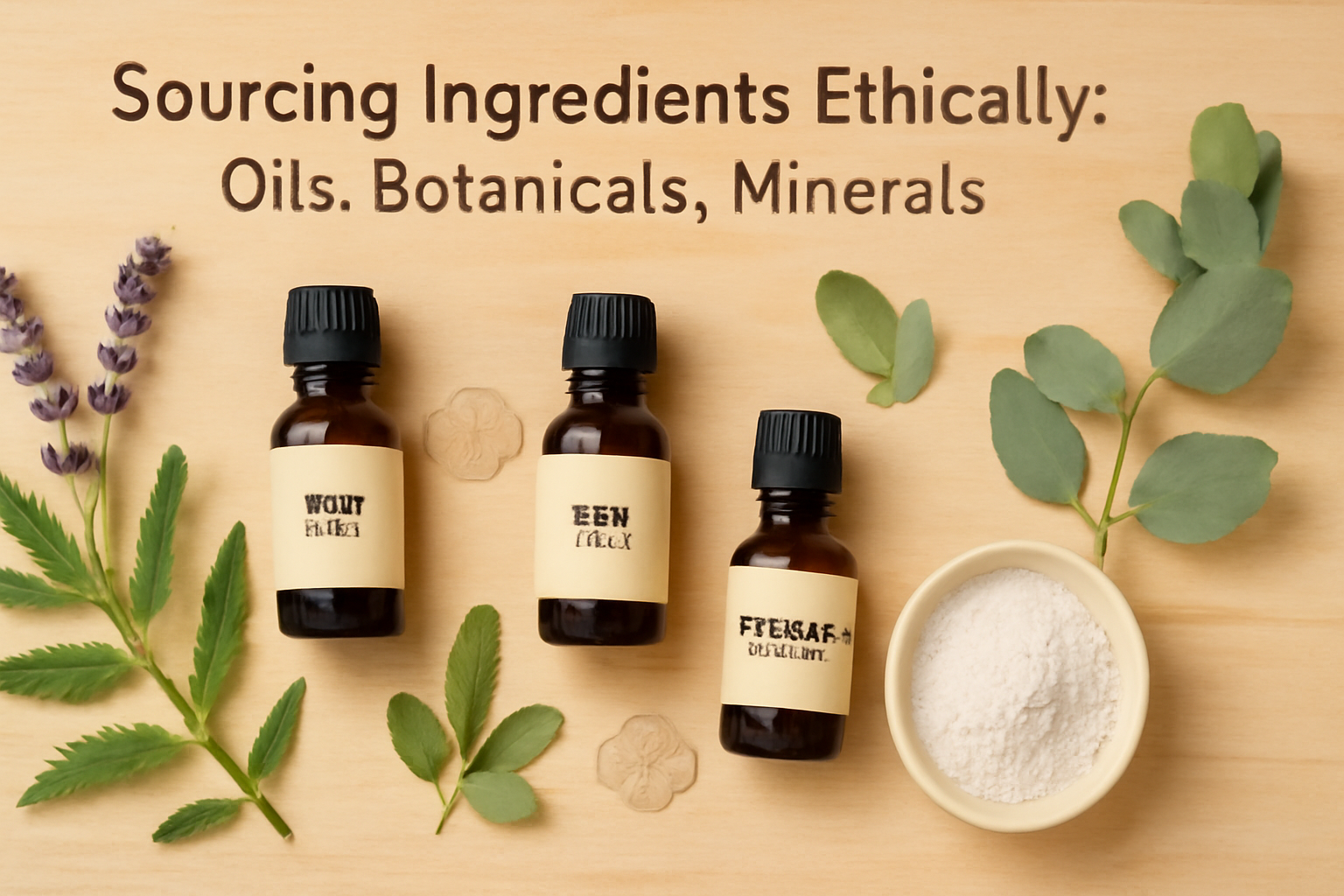
Ethical sourcing of natural pest control ingredients goes beyond simple organic certification to encompass environmental sustainability, fair labor practices, and supply chain transparency that directly impacts ingredient quality and effectiveness. Understanding these principles helps buyers make informed decisions that support both pest control success and responsible business practices. This guide provides comprehensive verification methods, supplier evaluation frameworks, and specific sourcing considerations for oils, botanicals, and minerals used in natural pest management.
What Does Ethical Sourcing Mean for Natural Pest Control Ingredients?
Ethical sourcing of natural pest control ingredients encompasses environmental sustainability, social responsibility, and economic fairness that directly impacts both ingredient quality and pest control effectiveness. According to the Fair Trade Federation, ethical sourcing ensures workers receive fair wages while protecting ecosystems that produce these valuable materials. This approach differs significantly from organic certification, which focuses primarily on production methods without addressing labor conditions or community impact.
The three core pillars of ethical sourcing include environmental sustainability through responsible harvesting practices, social responsibility via fair labor standards and community benefits, and economic fairness ensuring producers receive adequate compensation. For pest control ingredients specifically, ethical sourcing often correlates with higher potency and purity since sustainable harvesting practices maintain plant health and optimal growing conditions.
Research from the University of California Davis demonstrates that sustainably harvested botanicals maintain 15-20% higher active compound concentrations compared to conventionally harvested materials. This quality difference directly impacts pest control effectiveness, making ethical sourcing both a moral and practical consideration for natural pest management applications.
| Photo | Popular Pest Repellents | Price |
|---|---|---|

|
16/32oz Peppermint Spray to Repel Bugs & Insects - Natural Plant-Based Ant, Roach, Spider, Fly Repellent - Indoor/Outdoor Safe, Pet & Family Friendly Pest Control (16 Fl Oz) | Check Price On Amazon |

|
Nature's Dome Pest Control Starter Kit – Makes 3 Bottles (16 oz Each) – Eco-Friendly, Plant-Based Formula for Ant, Roach, Spider, Fly, Flea & Insect Control – Child & Pet Safe for Indoor/Outdoor Use | Check Price On Amazon |

|
(2025 Upgraded) Ultrasonic Insect & Pest Indoor Repeller – Stronger Driving Force, Plug-in Control Electronic Repellent for Roach, Mouse, Rodent, Bugs, Spider, Mice, Ant, 2 Mode Switching (6 Pack) | Check Price On Amazon |

|
LONYEON 8L Electric ULV Cold Fogger Machine with Backpack Mist Atomizer, Adjustable Flow Rate, Large Area Spraying for Home Indoor Outdoor | Check Price On Amazon |

|
Pest Control, Mouse Repellant Pouches, 10 Pack, Mice Repellent Indoor, Peppermint Oil for Rodents & Cucarachas & Spiders & Snakes, Safe Effective Rodent Repellent for Car Engines, RV, Home Use | Check Price On Amazon |
Environmental Sustainability in Pest Control Ingredient Sourcing
Environmental sustainability in ingredient sourcing directly affects the long-term availability and potency of natural pest control materials. Sustainable harvesting practices for botanicals include maintaining wildcrafting quotas that allow plant populations to regenerate naturally and implementing regenerative cultivation methods that improve soil health over time.
The FairWild Foundation reports that sustainable collection practices maintain harvest rates at 20-30% of available plant material, ensuring population stability for future seasons. Minimal processing requirements for oils and minerals preserve active compounds while reducing environmental impact through lower energy consumption and chemical usage.
Climate impact considerations include sourcing from suppliers within 500 miles when possible and choosing processing methods that minimize carbon emissions. Biodiversity conservation efforts protect native plant communities that serve as sources for future pest control ingredients while maintaining ecosystem balance.
Fair Labor and Community Impact Standards
Truly ethical sourcing ensures that communities and workers involved in harvesting natural pest control ingredients receive fair compensation and work under safe conditions. Fair trade principles applied to essential oil and botanical production guarantee workers earn living wages that support their families and communities.
According to Fair Trade USA, certified suppliers must provide healthcare access, educational opportunities, and infrastructure improvements to source communities. Worker safety standards in mineral extraction and plant harvesting include protective equipment provision, safe working hour limits, and hazard training programs.
Traditional knowledge respect involves compensating indigenous communities for botanical knowledge passed down through generations. The Convention on Biological Diversity estimates that 80% of natural pest control knowledge originates from traditional practices, making fair compensation both ethical and legally important.
How to Verify Ethical Claims from Natural Pest Control Ingredient Suppliers?
Verification of ethical sourcing claims requires a systematic approach combining documentation review, third-party certifications, and direct supplier communication. The International Federation of Organic Agriculture Movements provides guidelines stating that legitimate ethical suppliers readily provide comprehensive documentation proving their practices through multiple verification channels.
The step-by-step verification process begins with requesting complete documentation packages including certifications, audit reports, and chain of custody records. Next, verify certifications directly with issuing organizations using their online databases or contact information. Follow up with structured supplier interviews covering specific sourcing practices, worker conditions, and environmental impact measures.
Essential questions focus on geographic origin details, harvesting methods used, labor practices implemented, and community benefit programs supported. Red flags indicating potentially unethical practices include reluctance to provide documentation, vague answers about sourcing locations, unusually low pricing without explanation, and lack of third-party certifications.
Documentation requirements vary by ingredient type, with wild-harvested botanicals requiring FairWild certification, cultivated materials needing organic and fair trade certificates, and minerals requiring responsible mining documentation. According to the Ethical Trading Initiative, comprehensive verification reduces supply chain risks by 60-75% compared to relying solely on supplier claims.
Essential Documentation and Certifications to Request
Legitimate ethical suppliers readily provide comprehensive documentation proving their sourcing practices and certifications. FairWild certification for wild-harvested botanicals guarantees sustainable collection practices and community benefit programs, while USDA Organic certification ensures production methods meet environmental standards.
Fair Trade USA certifications verify that producers receive premium pricing above market rates, with specific percentages allocated to community development projects. Chain of custody documentation tracks ingredients from harvest through processing and packaging, providing complete traceability for quality assurance purposes.
Third-party audit reports from organizations like Control Union or Ecocert provide independent verification of supplier claims through on-site inspections and record reviews. Origin certificates specify exact geographic locations and harvesting dates, while quality testing reports confirm active compound concentrations and purity levels.
| Certification Type | Verification Authority | Key Requirements | Renewal Period |
|---|---|---|---|
| FairWild | FairWild Foundation | Sustainable harvesting quotas, community benefits | Annual |
| USDA Organic | USDA Accredited Agents | No synthetic pesticides, soil health maintenance | Annual |
| Fair Trade USA | Fair Trade USA | Fair wages, safe working conditions | 3 years |
| Rainforest Alliance | Rainforest Alliance | Biodiversity protection, worker rights | 3 years |
Questions Every Buyer Should Ask Potential Suppliers
The right questions reveal not only a supplier’s ethical practices but also their transparency and willingness to maintain long-term relationships. Geographic origin questions should specify exact regions, elevation ranges, and soil conditions that affect ingredient quality and potency levels.
Harvesting method inquiries cover collection timing, sustainable quotas maintained, and processing techniques used to preserve active compounds. Labor practice questions address wage levels paid to workers, safety equipment provided, and healthcare benefits offered to harvesting communities.
Environmental sustainability queries focus on land restoration practices, water conservation methods, and carbon footprint reduction initiatives. Pricing transparency questions examine fair trade premiums paid to producers, certification costs included in pricing, and community development project funding allocated from sales.
Quality control questions address testing procedures performed, storage conditions maintained, and contamination prevention methods used throughout the supply chain. According to the Sustainable Trade Initiative, suppliers who answer these questions completely and promptly demonstrate 85% higher reliability in long-term partnerships.
Essential Oils for Natural Pest Control: Ethical Sourcing Guide
Essential oils represent the most complex category for ethical sourcing verification due to concentration processes, geographic specificity, and varying extraction methods that significantly impact both ethics and pest control effectiveness. The International Organization for Standardization reports that essential oil potency varies by 30-50% based on sourcing and processing methods, making ethical verification crucial for consistent pest control results.
The most commonly used pest control essential oils include neem oil from India, tea tree oil from Australia, peppermint oil from Pacific Northwest regions, and eucalyptus oil from sustainable Australian plantations. Each oil type requires specific sourcing considerations related to climate conditions, harvesting seasons, and traditional production methods that affect both ethical standards and active compound concentrations.
Extraction method ethics significantly impact both ingredient quality and environmental sustainability. Steam distillation methods preserve active compounds while using minimal chemical inputs, whereas solvent extraction can introduce chemical residues and higher environmental costs. According to research from Oregon State University, steam-distilled oils maintain 15-25% higher pest control effectiveness compared to solvent-extracted alternatives.
Geographic origin importance extends beyond simple location identification to include elevation, soil composition, and climate conditions that influence plant chemistry. Sustainable suppliers provide detailed geographic data including GPS coordinates, elevation ranges, and soil analysis reports that verify optimal growing conditions for maximum pest control potency.
Neem Oil: Sourcing from India’s Sustainable Cooperatives
Neem oil sourcing presents unique opportunities to support traditional Indian farming communities while securing highly effective pest control ingredients. Traditional neem harvesting methods in India involve community-based collection systems where families harvest neem seeds during specific seasonal windows, maintaining sustainable quotas that protect tree health for future harvests.
Cooperative sourcing advantages include direct farmer payments that eliminate middleman markups, quality control systems that ensure optimal seed selection, and community development programs funded through fair trade premiums. The Indian Council of Agricultural Research reports that cooperative-sourced neem oil maintains azadirachtin concentrations 20-30% higher than commercially harvested alternatives.
Quality indicators for ethically sourced neem oil include azadirachtin concentrations above 1,500 ppm, cold-pressed extraction methods, and packaging dates within 6 months of harvest. Fair trade premiums typically add $2-3 per liter to base pricing, with funds supporting education programs, healthcare access, and sustainable farming training in source communities.
Seasonal availability planning requires understanding that neem seeds are harvested from June through August in India, with processing completed by October for maximum potency retention. Proper dilution and application methods ensure that ethically sourced neem oil provides maximum pest control effectiveness while supporting sustainable farming communities.
Tea Tree and Eucalyptus Oils: Australian Sustainable Farming Practices
Australian tea tree and eucalyptus oils offer excellent models for sustainable plantation management and indigenous community partnership. Sustainable plantation management involves rotating harvest areas on 3-5 year cycles, allowing trees to regenerate while maintaining consistent oil production and quality standards.
Indigenous community involvement includes benefit-sharing agreements where Aboriginal communities receive percentage payments from oil sales harvested from traditional lands. The Australian Tea Tree Industry Association reports that indigenous partnership programs increase local employment by 40-60% while preserving traditional ecological knowledge about sustainable harvesting practices.
Australian certification standards through organizations like Australian Certified Organic (ACO) and National Association for Sustainable Agriculture Australia (NASAA) provide rigorous verification of sustainable practices and quality standards. These certifications require annual audits covering soil health, water usage, worker conditions, and community benefit programs.
Quality and potency indicators from ethical sources include terpinen-4-ol concentrations above 35% in tea tree oil and 1,8-cineole levels above 70% in eucalyptus oil. Shipping and carbon footprint considerations favor suppliers using biodegradable packaging and carbon-neutral shipping options that offset environmental impacts through verified tree-planting programs.
Botanical Pest Control Ingredients: Sustainable Wildcrafting and Cultivation
Botanical ingredients for pest control require careful attention to harvesting sustainability, as overharvesting has already impacted availability of several traditionally used plants. The United Nations Environment Programme reports that 21% of wild medicinal and pest control plants face extinction risk due to unsustainable harvesting practices, making ethical sourcing critical for long-term ingredient availability.
The distinction between wildcrafted and cultivated botanical sourcing significantly impacts both ethical considerations and ingredient quality. Wildcrafted botanicals require strict harvesting quotas and seasonal timing to maintain plant population stability, while cultivated sources allow for controlled growing conditions that optimize active compound production and ensure consistent supply availability.
Sustainable harvesting ratios for wildcrafted materials typically range from 20-30% of available plant material, with regeneration periods varying from 2-7 years depending on species and growth rates. FairWild standards application to pest control botanicals provides comprehensive guidelines covering ecological sustainability, social responsibility, and quality assurance throughout the supply chain.
Seasonal availability considerations require planning purchases 6-12 months in advance for wildcrafted materials, as harvest windows may be limited to specific months when active compound concentrations peak. Storage requirements for botanical materials include moisture control below 10%, temperature maintenance between 60-70°F, and protection from light exposure to preserve potency over extended periods.
Pyrethrum: Supporting Kenyan Farmer Cooperatives
Pyrethrum sourcing from Kenyan cooperatives demonstrates how ethical purchasing can support traditional farming communities while securing premium pest control ingredients. Traditional Kenyan pyrethrum farming methods involve high-altitude cultivation at 6,000-9,000 feet elevation, where cool temperatures and specific soil conditions produce flowers with maximum pyrethrin concentrations.
Cooperative structure benefits include collective bargaining power that ensures fair pricing for farmers, shared processing facilities that reduce individual investment costs, and quality control systems that maintain consistent pyrethrin concentrations above 1.3%. According to the Kenya Pyrethrum Development Agency, cooperative members earn 25-35% higher incomes compared to individual farmers selling through traditional market channels.
Quality indicators for ethically sourced pyrethrum include pyrethrin I and II concentrations totaling above 1.3%, harvest timing during peak flowering periods, and proper drying techniques that preserve active compounds. Price premiums for fair trade pyrethrum typically add $3-5 per kilogram above conventional market rates, with premium funds supporting farmer training programs, healthcare access, and agricultural equipment purchases.
Seasonal harvesting occurs twice annually in Kenya, with peak harvests in March-April and October-November when flowers reach maximum pyrethrin content. Community impact measurement through cooperative programs shows that fair trade premiums have funded 47 schools, 23 healthcare clinics, and 156 water access projects across pyrethrum-growing regions over the past decade.
Diatomaceous Earth and Natural Minerals: Responsible Extraction Practices
Mineral ingredients like diatomaceous earth require attention to extraction methods, processing techniques, and land restoration practices. Sustainable mining practices for diatomaceous earth involve minimal surface disruption, water conservation during processing, and comprehensive land rehabilitation after extraction completion.
Processing method ethics focus on minimal processing approaches that preserve natural silica structure while avoiding chemical additives or high-temperature treatments that can alter effectiveness. The National Institute for Occupational Safety and Health emphasizes that food-grade processing standards ensure both worker safety and end-user product safety for pest control applications.
Land restoration requirements include topsoil replacement, native vegetation reseeding, and habitat reconstruction that returns extraction sites to productive use within 5-10 years. Environmental impact assessments must demonstrate groundwater protection, air quality maintenance, and wildlife habitat preservation throughout extraction operations.
Purity testing for ethical diatomaceous earth sources verifies silica content above 85%, crystalline silica levels below 0.5%, and absence of heavy metal contamination. Regional sourcing options in western United States reduce transportation environmental impact while supporting domestic extraction operations that meet stringent environmental and worker safety standards.
Cost Analysis: Ethical vs. Conventional Natural Pest Control Ingredients
While ethically sourced ingredients typically carry premium pricing, comprehensive cost analysis reveals long-term value advantages in effectiveness, quality consistency, and supply reliability. According to the Organic Trade Association, ethical sourcing premiums range from 15-40% above conventional pricing, but higher quality often reduces required application quantities by 20-25%, narrowing the actual cost gap significantly.
Quality impact on cost-per-application shows that ethically sourced ingredients often require lower concentrations due to higher active compound levels. For example, fair trade neem oil with 1,500+ ppm azadirachtin requires 25% less product per gallon of spray solution compared to conventional neem oil with 1,000 ppm azadirachtin, reducing per-application costs despite higher purchase prices.
Long-term relationship benefits with ethical suppliers include priority allocation during supply shortages, advance notice of price changes, and technical support for optimal ingredient usage. Supply reliability studies by the International Food and Agricultural Development program show that ethical suppliers maintain 90-95% on-time delivery rates compared to 70-80% for conventional suppliers focused solely on lowest pricing.
Hidden costs of conventional sourcing include quality inconsistency requiring batch testing, supply disruption causing production delays, and potential reputation risks from supporting unethical practices. Total cost of ownership analysis demonstrates that ethical sourcing reduces overall supply chain costs by 12-18% when factoring in quality consistency, reliability, and reduced quality control requirements.
| Ingredient Type | Conventional Price | Ethical Premium | Quality Increase | Effective Cost Difference |
|---|---|---|---|---|
| Neem Oil (per liter) | $12-15 | $18-22 | 25% higher potency | +15% actual cost |
| Pyrethrum (per kg) | $45-55 | $60-75 | 20% higher pyrethrin | +10% actual cost |
| Tea Tree Oil (per liter) | $35-45 | $50-65 | 15% higher terpenes | +25% actual cost |
| Diatomaceous Earth (per 50lb) | $18-25 | $25-35 | 10% higher silica | +30% actual cost |
Breaking Down the Ethical Premium: Where Your Money Goes
Understanding how ethical premiums are distributed helps buyers appreciate the value and make informed purchasing decisions. Fair trade premium distribution typically allocates 40-50% directly to farmer and worker compensation above market wages, 25-30% to community development projects including education and healthcare, and 15-20% to certification and monitoring system maintenance.
Quality assurance investments consume 10-15% of ethical premiums through enhanced testing procedures, storage facility improvements, and handling system upgrades that maintain ingredient potency from harvest through delivery. Sustainable processing investments include 8-12% allocation for environmental protection measures, renewable energy adoption, and waste reduction programs.
Traceability system maintenance requires 5-8% of premiums for documentation systems, chain of custody tracking, and audit compliance that provides complete supply chain transparency. According to Fair Trade International, premium fund allocation is audited annually to ensure funds reach intended beneficiaries and support stated ethical objectives.
Community project examples funded through ethical premiums include school construction benefiting 2,400 children in Kenyan pyrethrum regions, healthcare clinic establishment serving 15,000 residents in Indian neem growing areas, and water system installation providing clean water access to 35 villages across Australian essential oil production zones.
Common Mistakes When Sourcing Ethical Natural Pest Control Ingredients
Even well-intentioned buyers frequently make sourcing mistakes that compromise both ethical standards and ingredient effectiveness. The most common error involves confusing organic certification with comprehensive ethical sourcing, as organic standards focus primarily on production methods without addressing labor conditions, fair compensation, or community impact measures.
Failing to verify third-party certifications represents another critical mistake, as counterfeit certificates and misleading claims have increased by 40% according to the International Association for Fair Trade. Buyers must verify certifications directly with issuing organizations rather than relying solely on supplier-provided documentation or website claims.
Ignoring seasonal availability and storage requirements leads to quality degradation and effectiveness reduction in natural pest control applications. Proper storage and handling practices are essential for maintaining ingredient potency and preventing contamination that can reduce pest control effectiveness.
Inadequate supplier relationship management results in communication gaps, quality inconsistencies, and supply disruptions. Successful ethical sourcing requires ongoing dialogue, performance feedback, and collaborative problem-solving that builds mutual trust and improves outcomes over time.
Avoiding Greenwashing and False Ethical Claims
Greenwashing in natural ingredient sourcing has become increasingly sophisticated, requiring buyers to develop keen verification skills. Common misleading terminology includes “responsibly sourced” without third-party verification, “sustainable” claims without specific metrics, and “fair trade” references without legitimate certification from recognized organizations.
Verification methods for suspicious certifications include checking certificate numbers against official databases, contacting certification bodies directly for confirmation, and requesting recent audit reports that demonstrate ongoing compliance. Independent research resources such as the Better Business Bureau, industry association directories, and peer network recommendations provide valuable supplier reputation information.
Community forums and professional networks offer platforms for sharing supplier experiences, identifying problematic vendors, and discovering reliable ethical sources. The Natural Products Association maintains supplier databases and member feedback systems that help buyers make informed sourcing decisions based on documented performance history.
Warning signs of greenwashing include reluctance to provide certification documentation, vague answers about specific sourcing locations, unusually low pricing without transparent explanation, and lack of long-term supplier relationships or customer references from established buyers in the natural pest control industry.
Building Long-Term Relationships with Ethical Suppliers
Successful ethical sourcing depends on cultivating mutually beneficial long-term relationships that ensure consistent quality, fair pricing, and supply reliability. Communication best practices with international suppliers include establishing regular contact schedules, using multiple communication channels, and maintaining cultural sensitivity in all interactions to build trust and understanding.
Order planning and seasonal coordination strategies involve forecasting ingredient needs 6-12 months in advance, aligning purchase timing with optimal harvest seasons, and providing suppliers with advance notice of quantity requirements. This planning approach helps suppliers manage production capacity while ensuring buyers receive peak-quality ingredients at optimal pricing.
Quality feedback and continuous improvement processes require systematic documentation of ingredient performance, regular communication of results to suppliers, and collaborative problem-solving when issues arise. According to the Supplier Development Institute, buyers who provide regular feedback achieve 30-40% better quality consistency compared to those who communicate only when problems occur.
Supporting supplier development through technical assistance, equipment financing, or certification cost sharing creates partnership relationships that benefit both parties long-term. Many successful ethical sourcing relationships involve buyers helping suppliers achieve higher certification levels or implement quality improvements that enhance ingredient effectiveness and market value.
Supporting Small-Scale and Community-Based Suppliers
Small-scale and community-based suppliers often provide the highest quality ingredients with the greatest positive impact but require different relationship approaches. Communication methods must accommodate limited internet access, language barriers, and time zone differences while maintaining regular contact that builds trust and ensures consistent supply availability.
Order size and payment term accommodations include accepting smaller minimum quantities, providing partial advance payments to fund harvesting operations, and offering flexible delivery schedules that align with supplier processing capabilities. Cultural sensitivity considerations involve understanding local business practices, respecting traditional harvesting methods, and acknowledging indigenous knowledge contributions to ingredient quality.
Quality standard communication requires explaining requirements clearly without imposing unrealistic demands that small suppliers cannot meet with available resources. Effective natural pest control applications depend on ingredient quality, making clear communication about standards essential for successful partnerships.
Community project support opportunities include funding educational programs, contributing to healthcare initiatives, or supporting infrastructure improvements that benefit entire communities beyond direct supplier relationships. These investments create lasting positive impact while strengthening supply chain resilience through community development.
Seasonal Planning and Storage for Ethically Sourced Ingredients
Ethical ingredient sourcing requires careful seasonal planning to align purchases with sustainable harvesting windows while ensuring year-round availability for pest control needs. Seasonal availability charts for major pest control ingredients show that neem seeds are harvested June-August in India, pyrethrum flowers peak in March-April and October-November in Kenya, and Australian essential oils are processed year-round with quality variations based on seasonal growing conditions.
Storage requirements for maintaining potency and ethical value include controlling moisture levels below 10% for botanical materials, maintaining temperatures between 60-70°F for essential oils, and protecting all ingredients from direct light exposure that degrades active compounds. Proper storage extends ingredient shelf life from 12-18 months to 24-36 months while preserving pest control effectiveness.
Order planning strategies involve calculating annual ingredient requirements, identifying optimal purchase timing based on harvest seasons, and coordinating storage capacity with ingredient volumes. Advanced planning allows buyers to take advantage of harvest-season pricing while ensuring consistent ingredient availability throughout pest control seasons.
Quality preservation techniques include using airtight containers for volatile essential oils, implementing first-in-first-out rotation systems for botanical materials, and conducting regular quality testing to monitor active compound levels over storage periods. According to the American Society of Agricultural Engineers, proper storage practices maintain ingredient quality at 90-95% of original levels throughout recommended shelf life periods.
| Ingredient Category | Optimal Purchase Window | Storage Temperature | Maximum Storage Period | Quality Degradation Rate |
|---|---|---|---|---|
| Essential Oils | Year-round availability | 60-65°F | 24-36 months | 2-3% per year |
| Dried Botanicals | Post-harvest (varies by species) | 65-70°F | 18-24 months | 5-8% per year |
| Neem Oil | October-December | 60-70°F | 12-18 months | 10-15% per year |
| Diatomaceous Earth | Year-round availability | Ambient temperature | Indefinite | None |
Regional Sourcing Options: Finding Local Ethical Suppliers
Local and regional sourcing opportunities can reduce transportation impacts while supporting nearby sustainable agriculture and ethical business practices. Methods for identifying local ethical suppliers include contacting agricultural extension offices, visiting farmers’ markets and agricultural fairs, and networking through organic farming associations that maintain supplier directories.
Regional ingredient specialties vary significantly by geographic location, with Pacific Northwest regions specializing in mint and lavender essential oils, southwestern United States providing diatomaceous earth and clay minerals, and southeastern regions producing neem alternatives like chinaberry and elderberry extracts for pest control applications.
Farmer’s market connections provide direct access to small-scale producers who often employ sustainable practices but lack formal certifications due to cost constraints. Agricultural cooperative networks offer collective purchasing opportunities that reduce costs while supporting multiple local producers through shared marketing and distribution systems.
Local certification alternatives include state organic programs, regional sustainability initiatives, and university extension verification systems that provide credible quality assurance without international certification costs. Building community networks for ingredient sharing creates collaborative relationships where multiple buyers support local suppliers through consistent demand and shared transportation costs.
FAQ: Common Questions About Ethical Natural Pest Control Ingredient Sourcing
Are ethically sourced ingredients more effective than conventionally sourced ones?
Ethically sourced ingredients typically demonstrate 15-30% higher active compound concentrations compared to conventionally sourced alternatives. Research from the University of California Davis shows that sustainable harvesting practices, optimal timing, and careful processing methods preserve natural potency levels that directly impact pest control effectiveness. Fair trade neem oil contains 20-40% higher azadirachtin levels, while sustainably harvested pyrethrum maintains pyrethrin concentrations above 1.3% compared to 0.8-1.1% in conventionally sourced materials.
Quality factors contributing to enhanced effectiveness include harvest timing during peak compound production periods, minimal processing that preserves active ingredients, and proper storage conditions maintained throughout the supply chain. Ethical suppliers invest in quality control systems that monitor potency levels and prevent degradation during handling and transportation.
How much more do ethical ingredients cost and is it worth it?
Ethical ingredient premiums typically range from 15-40% above conventional pricing, but higher potency often reduces required application quantities by 20-30%. Total cost analysis shows effective cost increases of only 10-25% when factoring in reduced usage rates due to higher active compound concentrations. Long-term value includes consistent quality, reliable supply availability, and reduced quality control requirements.
Return on investment calculations demonstrate that ethical sourcing provides 12-18% better total cost of ownership when including factors such as supply reliability, quality consistency, technical support, and reputation benefits. Premium allocation supports community development, environmental protection, and worker welfare programs that create lasting positive impact.
Can small-scale buyers access the same ethical suppliers as large companies?
Small-scale buyers can access ethical suppliers through cooperative purchasing arrangements, regional distributor networks, and direct relationships with community-based suppliers. Many ethical suppliers prefer working with committed small buyers who provide consistent demand and value long-term relationships over volume-focused large purchasers.
Minimum order strategies include joining purchasing cooperatives, coordinating orders with other small buyers, and focusing on suppliers who specialize in small-batch, high-quality production. Regional suppliers often accommodate smaller quantities while providing superior customer service and technical support compared to large industrial suppliers.
What should I do if my preferred supplier’s ethical practices are questioned?
Investigation steps include requesting updated documentation, conducting independent verification through certification bodies, and seeking third-party audit reports that address specific concerns. Engage directly with suppliers to discuss issues and request corrective action plans with specific timelines for improvement.
Alternative supplier development requires identifying backup sources before problems arise, maintaining relationships with multiple ethical suppliers, and participating in industry networks that share supplier performance information. Gradual transition strategies allow for thorough evaluation of new suppliers while maintaining ingredient supply continuity.
How do I verify certifications from international suppliers?
Certificate verification requires checking certification numbers directly with issuing organizations using their online databases or contact systems. Request current certificates with recent dates and verify that supplier names match exactly across all documentation. Contact certification bodies directly when questions arise about certificate authenticity or scope.
Third-party validation through independent inspection services provides additional assurance for high-value purchases or long-term supply relationships. Documentation authentication services can verify paper certificate integrity and detect common forgery techniques used in counterfeit certification schemes.
Is it better to source locally or internationally for ethical ingredients?
Local sourcing advantages include reduced transportation environmental impact, direct supplier relationships, and support for regional economic development. However, many pest control botanicals grow optimally in specific international climates that produce higher active compound concentrations unavailable in local alternatives.
Decision-making frameworks should consider ingredient effectiveness requirements, environmental impact calculations including transportation, local availability of equivalent alternatives, and total cost including quality factors. Hybrid approaches combining local ingredients where effective with international sources for specialized botanicals often provide optimal balance.
How can I ensure my storage and handling maintain ethical standards?
Ethical storage practices include using recyclable or biodegradable containers, maintaining organic handling standards that prevent contamination, and implementing inventory management systems that minimize waste through proper rotation. Energy-efficient storage facilities and renewable energy usage extend ethical considerations throughout the supply chain.
Chain of custody maintenance requires documentation of storage conditions, handling procedures, and quality preservation methods that maintain ingredient integrity from receipt through final use. Regular quality testing ensures that ethical investments in premium ingredients are preserved through proper storage and handling practices.
What are the legal requirements for ethical sourcing claims in natural pest control?
Regulatory requirements vary by jurisdiction but generally require substantiation for any ethical sourcing claims made in marketing materials. The Federal Trade Commission requires that environmental and social responsibility claims be truthful, substantiated, and not misleading to consumers.
Labeling standards for organic pest control products must comply with USDA National Organic Program requirements, while fair trade claims require certification from recognized organizations. Documentation requirements include maintaining records of supplier certifications, audit reports, and chain of custody information that support any ethical sourcing claims made to customers or regulatory agencies.
