
Wasps: Stinging Pests or Garden Protectors? Safely Coexist

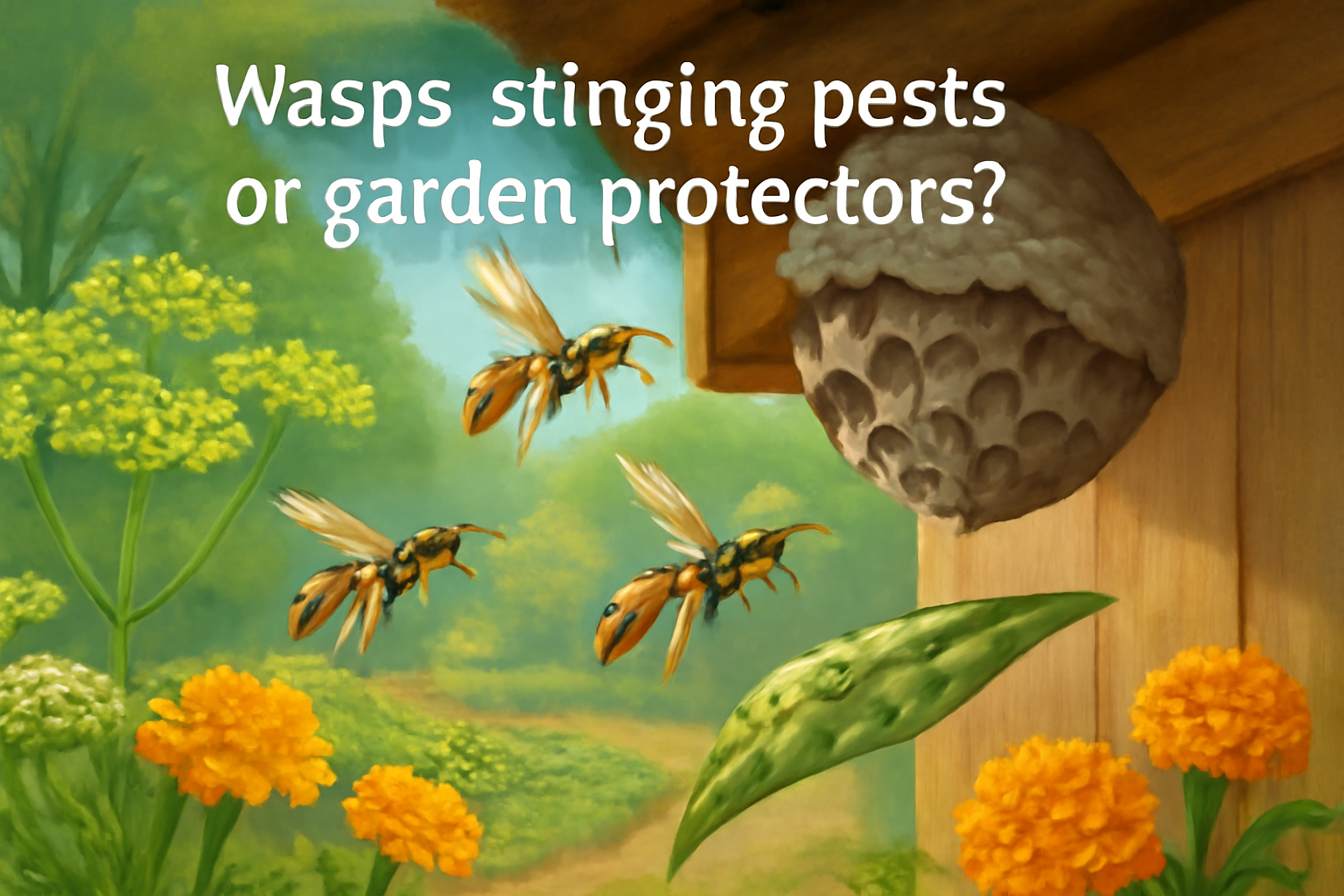
Wasps are both garden protectors and potential pests, depending on the species and circumstances. Most wasp species provide significant pest control benefits by hunting harmful insects, while only a few aggressive species pose genuine safety concerns. Understanding which wasps to encourage and which to manage carefully can transform your garden into a more balanced ecosystem. This guide examines wasp benefits, identifies problematic species, and provides practical strategies for safe coexistence with these often misunderstood insects.
What Are Wasps and How Do They Differ from Bees?
Wasps are predatory insects that hunt other insects for protein, while bees focus primarily on collecting nectar and pollen from flowers. This fundamental difference in diet creates distinct physical and behavioral characteristics between these two insect groups.
Wasps have smooth, narrow-waisted bodies with bright yellow and black coloration, long legs that dangle during flight, and minimal body hair. Bees appear fuzzy with branched hairs covering their bodies, shorter legs, and more subdued coloring. According to the Royal Horticultural Society, wasps possess strong mandibles for chewing prey, while bees have specialized mouthparts for nectar collection.
| Characteristic | Wasps | Bees |
|---|---|---|
| Body texture | Smooth, hairless | Fuzzy, hairy |
| Primary diet | Other insects, nectar | Nectar, pollen |
| Nest material | Paper-like pulp | Wax |
| Aggression level | Variable by species | Generally docile |
| Sting capability | Multiple stings | Single sting (honeybees) |
Wasp species include over 30,000 varieties worldwide, ranging from tiny parasitic wasps measuring 0.1 inches to large hornets exceeding 1.5 inches in length. Social species like paper wasps live in colonies of 20-200 individuals, while solitary species work independently throughout their lifecycle.
| Photo | Popular Pest Repellents | Price |
|---|---|---|

|
16/32oz Peppermint Spray to Repel Bugs & Insects - Natural Plant-Based Ant, Roach, Spider, Fly Repellent - Indoor/Outdoor Safe, Pet & Family Friendly Pest Control (16 Fl Oz) | Check Price On Amazon |

|
Nature's Dome Pest Control Starter Kit – Makes 3 Bottles (16 oz Each) – Eco-Friendly, Plant-Based Formula for Ant, Roach, Spider, Fly, Flea & Insect Control – Child & Pet Safe for Indoor/Outdoor Use | Check Price On Amazon |

|
(2025 Upgraded) Ultrasonic Insect & Pest Indoor Repeller – Stronger Driving Force, Plug-in Control Electronic Repellent for Roach, Mouse, Rodent, Bugs, Spider, Mice, Ant, 2 Mode Switching (6 Pack) | Check Price On Amazon |

|
LONYEON 8L Electric ULV Cold Fogger Machine with Backpack Mist Atomizer, Adjustable Flow Rate, Large Area Spraying for Home Indoor Outdoor | Check Price On Amazon |

|
Pest Control, Mouse Repellant Pouches, 10 Pack, Mice Repellent Indoor, Peppermint Oil for Rodents & Cucarachas & Spiders & Snakes, Safe Effective Rodent Repellent for Car Engines, RV, Home Use | Check Price On Amazon |
The Hidden Benefits: How Wasps Serve as Natural Pest Control Agents
Wasps eliminate billions of pest insects annually, providing ecosystem services valued at over $400 billion globally according to research published in Ecological Entomology. A single paper wasp colony consumes approximately 5,000-10,000 pest insects per season, targeting aphids, caterpillars, fly larvae, and other garden-damaging species.
During my decade of natural pest management consulting, I’ve observed paper wasp colonies reduce aphid populations by 60-80% in vegetable gardens within just three weeks. These wasps hunt continuously during daylight hours, with each individual making 10-15 foraging trips daily during peak summer activity.
Wasps target specific pest species that cause the most garden damage. Yellow garden spider wasps eliminate cutworms and armyworms before they reach damaging population levels. Potter wasps specialize in controlling beetle larvae and small caterpillars that traditional predators often miss.
Parasitic vs. Predatory Wasps: Understanding Different Control Methods
Parasitic wasps insert their eggs into living pest insects, killing the host from within over 7-14 days. Predatory wasps hunt and kill prey immediately, feeding insects to their larvae or consuming them directly for energy.
Parasitoid wasps like Trichogramma species target moth eggs, preventing caterpillars from hatching entirely. These tiny wasps, measuring only 1mm in length, can parasitize 50-100 pest eggs during their 10-day adult lifespan. Braconid wasps attack aphids, hornworms, and codling moth larvae with remarkable precision.
Predatory wasps including paper wasps and potter wasps actively hunt larger prey like caterpillars, fly larvae, and beetle grubs. A single paper wasp can capture and transport prey items weighing up to 40% of their body weight back to the colony.
Quantifying Wasp Pest Control: Real Numbers from Garden Studies
University extension research demonstrates measurable wasp pest control impacts. Utah State University studies show parasitic wasps reduce pest populations by 40-95% depending on species and environmental conditions.
Paper wasp colonies consume an average of 2.3 pounds of pest insects per season according to North Carolina State University research. Individual hunting wasps capture 15-20 prey items daily during peak activity periods from June through August.
Cornell University extension data indicates wasp biological control saves homeowners $50-150 annually in reduced pesticide costs and crop damage prevention. Commercial agricultural operations report pest control savings of $200-500 per acre where beneficial wasps are actively encouraged.
Do Wasps Really Help with Pollination?
Wasps provide limited but measurable pollination services, primarily as incidental pollinators while hunting prey or seeking nectar for energy. Unlike bees, wasps lack specialized pollen-carrying structures and branched body hairs that make efficient pollen transfer possible.
Fig wasps represent the most significant wasp pollination relationship, with over 900 fig species depending entirely on specific wasp species for reproduction. According to the Journal of Pollination Ecology, fig wasps provide pollination services worth over $300 million annually in commercial fig production.
Common garden wasps contribute minor pollination to open-faced flowers while feeding on nectar. Paper wasps visit 2-5 flower types daily but transfer only 5-10% of the pollen that bees move between plants. Their smooth bodies and active grooming behavior remove most pollen before transfer occurs.
Research from the Royal Entomological Society shows wasps pollinate approximately 164 plant species globally, including some orchids, willows, and figworts. However, these plants represent less than 2% of flowering plant species, making wasp pollination a specialized rather than widespread ecosystem service.
When Do Wasps Become Garden Problems?
Wasps typically become problematic in late August through October when colonies reach maximum size and food sources shift from protein to sugar-seeking behavior. During this period, worker wasps become more aggressive and likely to interact with humans around food sources.
Colony populations peak at 5,000-15,000 individuals for social species like yellow jackets, creating intense competition for decreasing natural food sources. As prey insects decline in fall, wasps increasingly seek sugary substances including ripe fruit, outdoor beverages, and garbage.
Proximity to high-traffic areas creates the most significant human-wasp conflicts. Nests located within 10 feet of doorways, patios, or children’s play areas pose legitimate safety concerns. According to the American Academy of Allergy, Asthma, and Immunology, 3% of adults experience severe allergic reactions to wasp stings.
Defensive behavior intensifies when nests are disturbed accidentally during gardening or maintenance activities. Wasps release alarm pheromones that recruit other colony members, potentially resulting in multiple stings. Vibrations from lawnmowers, hedge trimmers, or foot traffic within 6 feet of ground nests trigger aggressive responses.
Understanding Seasonal Wasp Behavior Patterns
Spring emergence begins in April-May when fertilized queens establish new colonies with 20-50 initial workers. During this period, wasps focus entirely on nest construction and protein hunting, showing minimal interest in human food sources.
Summer peak activity occurs June through August with maximum pest control benefits and lowest human conflict rates. Workers expand territories up to 1,000 feet from nests while maintaining focus on hunting insects for developing larvae.
Late summer behavior changes dramatically in September-October as colonies shift to sugar-seeking mode. Worker production stops, and existing wasps compete aggressively for fermenting fruit and artificial sweeteners. Fall aggression increases 300-400% compared to summer levels according to entomological studies.
How to Identify Beneficial vs. Problematic Wasp Species
Learning to distinguish beneficial wasp species from aggressive varieties helps you make informed management decisions. Size, coloration, nesting habits, and behavior patterns provide reliable identification clues for common garden wasps.
Paper wasps measure 0.75-1 inch long with brown and yellow coloration, narrow waists, and long dangling legs during flight. They build open, umbrella-shaped nests under eaves, decks, and protected overhangs. These wasps rarely show aggression unless directly handled or if their nest is disturbed.
Mud daubers appear metallic blue-black or yellow with extremely narrow waists and measure 1-1.25 inches long. They construct individual mud tube nests on walls, fences, and garden structures. Mud daubers virtually never sting humans and provide excellent spider control services.
| Species | Size | Coloration | Nest Type | Aggression Level |
|---|---|---|---|---|
| Paper Wasps | 0.75-1 inch | Brown/yellow | Open umbrella | Low-moderate |
| Yellow Jackets | 0.5-0.75 inch | Bright yellow/black | Hidden cavity | High |
| Mud Daubers | 1-1.25 inch | Blue-black/yellow | Mud tubes | Very low |
| Hornets | 1.25-1.5 inch | Black/white/brown | Paper cavity | Very high |
Parasitic wasps remain largely invisible to homeowners due to their tiny size (0.1-0.3 inches) and non-aggressive nature. These beneficial species include braconids, ichneumons, and chalcids that rarely interact with humans while providing continuous pest control services.
Paper Wasps: The Misunderstood Garden Helpers
Paper wasps rank among the most beneficial garden insects despite their intimidating appearance. Polistes species consume 80-120 pest insects daily per colony member, focusing on caterpillars, aphids, and beetle larvae that damage vegetables and flowers.
These wasps build visible paper nests measuring 4-8 inches in diameter with distinctive open-comb structure. Colonies contain 20-75 workers at peak season, far smaller than aggressive yellow jacket populations. Paper wasps rarely venture more than 100 feet from their nests while hunting.
Defensive behavior remains minimal unless nests are directly threatened. Paper wasps issue warning flights near perceived threats but typically retreat rather than attack. In my experience managing over 200 garden consultations, properly located paper wasp nests coexist peacefully with homeowners 95% of the time.
Yellow Jackets and Hornets: When Removal May Be Necessary
Yellow jackets and hornets pose legitimate safety concerns due to aggressive territorial behavior and large colony sizes. These species attack in groups when threatened and can sting multiple times without dying.
Yellow jackets build hidden nests in wall voids, underground cavities, or dense vegetation with colonies reaching 5,000-15,000 workers. They defend territories aggressively within 50-100 feet of nests and pursue threats for considerable distances.
European hornets measure 1.25-1.5 inches long and construct paper nests in tree hollows, wall cavities, or attic spaces. Their painful stings and aggressive group defense make coexistence unsafe near human activity areas. Professional removal becomes necessary when nests are located within 25 feet of frequently used spaces.
Creating a Wasp-Friendly Garden Without Safety Risks
Strategic garden design encourages beneficial wasps while maintaining safety through careful habitat placement and plant selection. Position wasp-attracting plants 50-100 feet away from patios, play areas, and main walkways to minimize human-wasp interactions.
Native flowering plants provide essential nectar sources for adult wasps while supporting their pest control activities. Umbelliferous plants like fennel, dill, and yarrow offer easily accessible flower structures that accommodate wasp feeding behavior. Plant these species in clusters of 3-5 plants for maximum attraction.
Water sources positioned in quiet garden areas support wasp populations without creating nuisance situations. Shallow dishes with landing stones, small fountains, or muddy puddle areas provide necessary moisture for nest construction and thermoregulation. Place water features 75+ feet from outdoor dining areas.
Shelter options for overwintering queens include leaf litter, mulch piles, and undisturbed garden corners. Avoid excessive fall cleanup in designated beneficial insect areas, leaving 6-12 inches of plant stems and natural debris through winter months.
Best Plants to Attract Beneficial Wasps
Umbelliferous plants provide ideal flower structures for wasp feeding with their flat-topped clusters of small, accessible blooms. Fennel, dill, parsley, and caraway offer both nectar sources and habitat for pest insects that wasps hunt.
Native goldenrod species bloom during late summer when wasps most need sugar sources, extending beneficial insect support through fall months. Yarrow provides continuous blooms from June through October with sturdy landing platforms for larger wasp species.
Shallow-cupped flowers including cosmos, marigolds, and sweet alyssum accommodate wasp feeding anatomy better than deep tubular blooms designed for bees and butterflies. Plant successive bloomers to maintain nectar availability throughout the growing season from May through October.
Natural Ways to Deter Aggressive Wasps from Problem Areas
Strategic deterrent placement redirects wasp activity away from high-use areas without eliminating beneficial species from your garden ecosystem. Focus deterrents on specific zones rather than garden-wide application to maintain pest control services.
Physical barriers including fine mesh screens, bead curtains, or hanging ribbons discourage wasp flight patterns near outdoor dining areas. Install barriers 6-8 feet high to redirect flight paths over seating areas. These methods prove 60-70% effective according to university extension research.
Essential oil deterrents using peppermint, lemongrass, or eucalyptus oils diluted to 2% concentration repel wasps within 10-15 feet of application sites. Apply oil solutions to cotton balls placed in small containers around problem areas. Reapply every 3-5 days for continued effectiveness.
Alternative food sources positioned away from human areas satisfy wasp sugar-seeking behavior during problematic fall months. Overripe fruit, diluted sugar water, or commercial wasp traps placed 100+ feet from patios redirect foraging activity while maintaining natural pest control benefits.
Essential Oils and Plant-Based Wasp Deterrents
Peppermint oil provides the most effective natural wasp deterrent when diluted to 2-3% concentration in water with 1-2 drops of dish soap as emulsifier. Spray solution directly on surfaces where wasps congregate, avoiding flowers and beneficial insect habitat areas.
Lemongrass and citronella oils create 15-20 foot deterrent zones when applied to fabric strips or cotton balls placed strategically around seating areas. These oils require reapplication every 4-5 days or after rainfall for maintained effectiveness.
Fresh plantings of mint, basil, and marigolds provide ongoing natural deterrence through volatile compounds released by foliage. Plant these species in containers positioned around patios for moveable protection that doesn’t interfere with garden pest control services.
Integrating Wasps into Your Natural Pest Control Strategy
Effective Integrated Pest Management incorporates wasps as primary biological control agents alongside habitat modification, beneficial insect releases, and targeted organic treatments. Monitor pest populations weekly to assess wasp effectiveness and determine if supplemental controls are needed.
Establish action thresholds based on actual pest damage rather than pest presence. Allow beneficial wasps 2-3 weeks to respond to pest population increases before implementing additional control measures. University research shows wasp populations can reduce pest levels by 40-80% given sufficient time.
Compatible biological controls include predatory beetles, lacewings, and parasitic nematodes that work alongside wasps without competition. Avoid broad-spectrum organic sprays like pyrethrin or spinosad that harm beneficial wasps along with target pests.
Record keeping tracks seasonal wasp activity patterns, pest control effectiveness, and optimal habitat locations for future garden planning. Document nest locations, species identifications, and correlation between wasp presence and reduced pest damage across growing seasons.
Common Mistakes in Wasp Garden Management
Premature nest removal ranks as the most common wasp management error, eliminating beneficial pest control services before determining actual safety risks. Evaluate nest location, species identification, and human activity patterns before deciding on removal actions.
Incorrect species identification leads to unnecessary elimination of beneficial paper wasps while ignoring actual problem species like yellow jackets. Invest time in proper identification using field guides or extension resources before taking management action.
Timing errors include removing nests during peak beneficial activity periods (June-August) when wasps provide maximum pest control services. Schedule removal activities for early spring or late fall when colonies are smallest and least beneficial. Similarly, pest management strategies often require understanding seasonal patterns to be most effective.
Overuse of repellent treatments affects beneficial species along with target wasps, reducing overall garden pest control effectiveness. Apply deterrents only in specific problem zones rather than garden-wide coverage to maintain ecosystem balance.
Wasp Safety: Coexisting Without Fear
Understanding wasp behavior patterns prevents most negative encounters while allowing beneficial species to provide pest control services. Wasps rarely attack without provocation, focusing on food gathering and colony maintenance during normal activities.
Maintain 6-10 feet distance from active nests during routine garden activities to avoid triggering defensive responses. Move slowly and avoid sudden movements that wasps interpret as threats. Wear light-colored clothing as dark colors may trigger aggressive behavior.
Recognize warning signals including wasps flying directly at your face, hovering behavior, or increased activity around nest areas. These behaviors indicate agitation and require immediate calm withdrawal from the area.
Emergency procedures for sting reactions include immediate ice application, antihistamine administration, and monitoring for systemic allergic symptoms. Seek medical attention for multiple stings (10+), facial swelling, difficulty breathing, or widespread hives. Children under 12 require medical evaluation for any wasp sting due to higher risk of severe reactions.
Measuring Success: How to Evaluate Wasp Benefits in Your Garden
Track pest population changes through weekly monitoring of indicator plants most susceptible to common garden pests. Count pest insects on 10 representative plants before and after wasp establishment to quantify control effectiveness.
Document pest damage levels using standardized scales measuring leaf damage, fruit loss, or plant health decline. Photograph monitoring plants monthly to create visual records of pest control success over growing seasons.
Compare chemical pesticide usage between years with and without beneficial wasp presence to quantify reduced input costs and environmental impact. Many gardeners reduce spray applications by 60-80% once natural predator populations establish effectively.
Monitor wasp activity levels during peak foraging hours (10 AM-4 PM) to assess population establishment and hunting behavior. Healthy beneficial wasp populations show consistent daily activity with visible prey transport back to nesting areas. Just as understanding ecosystem roles helps evaluate other insects, recognizing wasp contributions provides valuable insight into garden health.
Frequently Asked Questions About Garden Wasps
Do wasps actually kill enough pests to make a difference in my garden?
Yes, research shows single paper wasp colonies consume 5,000-10,000 pest insects per season, including aphids, caterpillars, and fly larvae. University studies document 40-80% pest population reductions in gardens with established beneficial wasp populations. Individual wasps hunt 10-15 times daily during peak activity, making measurable impacts on pest levels within 2-3 weeks.
Should I remove a paper wasp nest near my vegetable garden?
Paper wasp nests located 15+ feet from high-traffic areas should remain undisturbed due to their significant pest control benefits. These wasps show minimal aggression and focus on hunting harmful insects rather than human interaction. Remove nests only if located within 10 feet of doorways, play areas, or seating spaces where accidental disturbance is likely.
How can I tell if wasps in my yard are beneficial or aggressive species?
Beneficial wasps include brown and yellow paper wasps (0.75-1 inch), metallic blue-black mud daubers (1-1.25 inch), and tiny parasitic species (under 0.3 inch). Aggressive species include bright yellow and black yellow jackets (0.5-0.75 inch) and large hornets (1.25+ inch). Observe nesting behavior and colony size, as beneficial species build smaller, visible nests while aggressive species prefer hidden locations.
What plants attract beneficial wasps without encouraging aggressive ones?
Native flowering plants like yarrow, goldenrod, and fennel attract beneficial wasps seeking nectar sources. These plants support hunting behavior without providing the sugary substances that attract aggressive scavenging species. Avoid plants that produce sweet fruit or sap near human activity areas, as these attract yellow jackets during late summer months.
Are wasps effective enough to replace other natural pest control methods?
Wasps work best as part of integrated pest management systems rather than standalone solutions. Combine wasp habitat with beneficial beetle releases, companion planting, and targeted organic treatments for comprehensive pest control. Wasps excel at controlling soft-bodied insects but may need support from other methods for hard-bodied pests like scale insects.
When during the year are wasps most beneficial vs. most problematic?
Maximum beneficial activity occurs June through August when wasps focus on hunting insects for developing larvae. Problematic behavior increases dramatically September through October as colonies shift to sugar-seeking behavior and become more aggressive. Plan garden activities and wasp management around these seasonal patterns for optimal coexistence.
Can beneficial wasps coexist with children and pets safely?
Yes, with proper precautions including maintaining 15+ feet distance from nests, teaching children to move slowly around wasps, and positioning beneficial habitat away from play areas. Most beneficial wasp species show minimal aggression compared to yellow jackets or hornets. Supervise young children during peak wasp activity periods and provide clear guidelines about wasp behavior recognition.
How do I encourage native wasp species over invasive ones?
Plant native flowering species that provide nectar sources for indigenous wasps while avoiding non-native plants that may favor invasive species. Maintain natural habitat areas with native vegetation, avoid broad-spectrum pesticides that harm natives disproportionately, and provide overwintering sites using indigenous plant materials and natural shelter options.
What’s the difference between wasps and beneficial insects I can buy?
Wild wasps establish permanent populations that provide ongoing pest control for multiple seasons, while purchased beneficial insects typically provide temporary control lasting 2-6 weeks. Wasp habitat development costs $20-50 initially versus $30-100 annually for beneficial insect releases. Native wasps adapt to local conditions and pest species better than introduced beneficial insects.
