
What Natural Methods Work for Moths in Apartment Buildings?

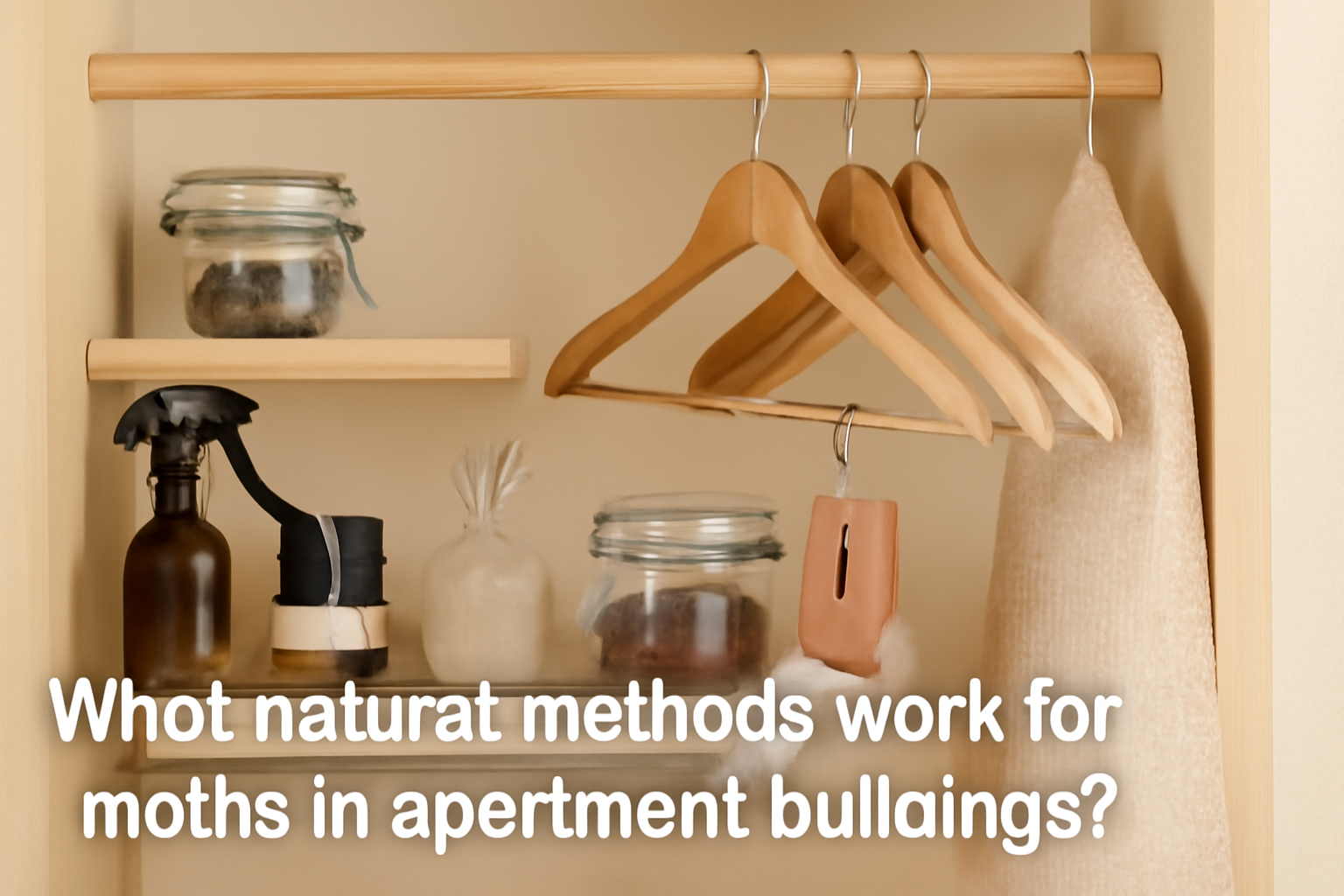
Natural methods work exceptionally well for moths in apartment buildings through three primary mechanisms: repelling adult moths, disrupting breeding cycles, and eliminating larvae safely. Essential oils, cedar products, and proper sanitation create hostile environments that moths cannot tolerate in enclosed spaces. Apartment dwellers can implement these chemical-free solutions immediately without violating lease agreements or risking exposure to toxic pesticides. These methods prove particularly effective in apartments because controlled environments allow for concentrated treatment zones and easier monitoring of results.
What Types of Moths Infest Apartment Buildings and How to Identify Them?
Before implementing any natural control methods, you must correctly identify which type of moths have invaded your apartment space. Two distinct moth species commonly infest apartment buildings, each requiring different treatment approaches and prevention strategies.
Clothes moths include webbing clothes moths and casemaking clothes moths, which primarily target natural fibers in closets and storage areas. According to the University of California Agriculture and Natural Resources, webbing clothes moths measure 6-8 millimeters long with golden-buff colored wings and prefer wool, silk, cotton, and linen fabrics. Casemaking clothes moths appear slightly larger at 6-10 millimeters with brown-speckled wings and create distinctive portable cases from fabric fibers.
Pantry moths encompass Indian meal moths and Mediterranean flour moths that infest stored food products in kitchens and pantries. The USDA reports that Indian meal moths display copper-colored wing tips and measure 8-10 millimeters, while Mediterranean flour moths appear gray-white and measure 6-8 millimeters. These species target grains, cereals, nuts, dried fruits, and pet food stored in cabinets.
| Photo | Popular Pest Repellents | Price |
|---|---|---|

|
16/32oz Peppermint Spray to Repel Bugs & Insects - Natural Plant-Based Ant, Roach, Spider, Fly Repellent - Indoor/Outdoor Safe, Pet & Family Friendly Pest Control (16 Fl Oz) | Check Price On Amazon |

|
Nature's Dome Pest Control Starter Kit – Makes 3 Bottles (16 oz Each) – Eco-Friendly, Plant-Based Formula for Ant, Roach, Spider, Fly, Flea & Insect Control – Child & Pet Safe for Indoor/Outdoor Use | Check Price On Amazon |

|
(2025 Upgraded) Ultrasonic Insect & Pest Indoor Repeller – Stronger Driving Force, Plug-in Control Electronic Repellent for Roach, Mouse, Rodent, Bugs, Spider, Mice, Ant, 2 Mode Switching (6 Pack) | Check Price On Amazon |

|
LONYEON 8L Electric ULV Cold Fogger Machine with Backpack Mist Atomizer, Adjustable Flow Rate, Large Area Spraying for Home Indoor Outdoor | Check Price On Amazon |

|
Pest Control, Mouse Repellant Pouches, 10 Pack, Mice Repellent Indoor, Peppermint Oil for Rodents & Cucarachas & Spiders & Snakes, Safe Effective Rodent Repellent for Car Engines, RV, Home Use | Check Price On Amazon |
Key identification differences focus on location and behavior patterns. Clothes moths avoid light and remain hidden in dark closets, while pantry moths fly toward light sources and appear active near food storage areas during evening hours. Clothes moth larvae create irregular holes in natural fabrics, whereas pantry moth larvae produce webbing and frass in food containers.
Correct identification determines treatment effectiveness because clothes moths require fabric protection methods while pantry moths need food storage solutions. Once you’ve identified your moth type, let’s explore the science behind why natural methods work effectively in apartment environments.
How Do Natural Moth Control Methods Work in Small Apartment Spaces?
Natural moth control methods work through three primary mechanisms that are particularly effective in apartment settings: chemical repulsion, lifecycle disruption, and physical barriers. These mechanisms target different stages of the moth lifecycle to prevent reproduction and eliminate existing populations safely.
Repellent action occurs when essential oils and aromatic compounds overwhelm moths’ sensitive olfactory receptors. According to research published in the Journal of Economic Entomology, compounds like linalool from lavender and menthol from peppermint interfere with moths’ ability to locate mates and suitable egg-laying sites. Apartment spaces concentrate these aromatic molecules effectively because limited air circulation maintains higher concentrations than open houses.
Lifecycle disruption happens when natural methods target vulnerable stages like eggs and larvae. Cedar compounds contain natural insecticidal properties that prevent egg development and kill newly hatched larvae before they can mature. Temperature and humidity control in apartments allows for precise environmental manipulation that disrupts moth reproduction cycles.
Physical barriers include proper storage containers, fabric protection, and exclusion methods that prevent moths from accessing target materials. Apartments offer advantages for barrier methods because defined spaces are easier to seal and monitor compared to larger homes with multiple entry points.
Apartment environments enhance natural method effectiveness because controlled ventilation systems distribute treatments evenly, while close proximity between treatment areas creates overlapping protection zones. Understanding these mechanisms helps you select the most appropriate natural methods for your specific apartment situation.
What Are the Most Effective Essential Oil Methods for Apartment Moth Control?
Essential oils offer the most versatile and apartment-friendly natural moth control solutions because they provide immediate repellent action without staining fabrics or violating rental agreements. Five essential oils demonstrate proven effectiveness against both clothes and pantry moths through peer-reviewed research and practical application.
Lavender oil contains linalool and camphor compounds that repel adult moths and prevent egg-laying behavior. Research from Oregon State University shows that 2-3% lavender oil solutions maintain effectiveness for 4-6 weeks when applied to cotton sachets. Place sachets in closet corners, dresser drawers, and storage containers using 10-15 drops per sachet for optimal coverage.
Peppermint oil provides broad-spectrum moth deterrent properties through high menthol concentrations that overwhelm insect nervous systems. The EPA recognizes peppermint oil as safe for indoor use when properly diluted to 1-2% concentration in water-based sprays. Apply peppermint sprays to closet walls, cabinet interiors, and fabric storage areas every 2-3 weeks for continuous protection.
Cedar oil replicates natural cedar wood protection through concentrated aromatic compounds that moths cannot tolerate. Pure cedarwood oil maintains potency longer than synthetic cedar scents and works effectively against both clothes and pantry moths. Mix 1-2% cedar oil solutions for spray applications or use undiluted on cotton balls placed in storage areas.
Eucalyptus and rosemary oils contain cineole and camphor that create hostile environments for moth reproduction. Studies indicate these oils work synergistically when combined in equal parts, extending effectiveness duration to 6-8 weeks per application. Use 15-20 drops total per sachet or 1% concentration in spray form for apartment applications.
Pet safety considerations require avoiding tea tree oil, which proves toxic to cats, and ensuring adequate ventilation when using concentrated essential oil applications. I’ve found that rotating different essential oils every 4-6 weeks prevents moths from developing tolerance while maintaining safe indoor air quality. While essential oils provide excellent repellent action, physical deterrents offer complementary protection for comprehensive natural pest control strategies.
How to Create Safe Essential Oil Spray Solutions for Apartment Use
Creating effective essential oil sprays requires proper dilution ratios to ensure safety in enclosed apartment spaces while maintaining moth-repelling potency. Proper emulsification prevents oil separation and ensures even distribution throughout application areas.
Water-to-oil ratios should follow 1-2% concentration guidelines, mixing 10-20 drops of essential oil per 16 ounces of distilled water for general applications. Add 1 teaspoon of dish soap or liquid castile soap as an emulsifier to help oils mix thoroughly with water and prevent separation during storage.
Spray bottle selection requires glass or high-quality plastic containers that resist essential oil degradation. Avoid cheap plastic bottles that may break down from oil contact and contaminate spray solutions. Shake bottles vigorously before each use to redistribute oils evenly.
Application frequency depends on oil type and apartment conditions, with most essential oil sprays requiring reapplication every 2-3 weeks. Store prepared sprays in cool, dark locations and use within 3 months for optimal effectiveness. Label spray bottles clearly with contents and concentration for safety tracking.
Where to Place Essential Oil Deterrents in Apartments for Maximum Effectiveness
Strategic placement of essential oil deterrents maximizes effectiveness while minimizing interference with daily apartment living and maintaining proper air circulation throughout treated spaces.
Closet placement strategies focus on upper corners where warm air accumulates and circulates downward, distributing aromatic compounds throughout hanging clothes. Position sachets on closet shelves 12-18 inches apart and attach cotton balls with essential oils to clothes hangers every 6-8 garments for comprehensive coverage.
Kitchen and pantry applications require placement near cabinet ceiling corners where pantry moths typically rest during daylight hours. Install small sachets inside cabinet doors and place essential oil-treated cotton balls behind food storage containers to create protective barriers without contaminating food items.
Bedroom and living area considerations include furniture protection through sachets placed under bed frames, behind upholstered furniture, and inside storage ottomans. Ensure essential oil applications remain 3-4 feet from sleeping areas to prevent respiratory irritation while maintaining protective coverage.
Refresh schedules depend on apartment humidity and ventilation, typically requiring sachet replacement every 4-6 weeks and cotton ball renewal every 2-3 weeks. Monitor effectiveness by checking for strong aromatic scents when opening storage areas.
How to Use Cedar and Natural Wood Products for Moth Prevention in Apartments
Cedar products provide long-lasting moth protection that’s ideal for apartment dwellers who need low-maintenance solutions without ongoing chemical applications or frequent replacements.
Cedar blocks, hangers, and sachets contain natural oils that repel moths for 6-12 months without refreshing when properly maintained. Eastern red cedar proves most effective against clothes moths, while aromatic cedar varieties work better for pantry moth prevention. Cedar blocks measuring 2-3 inches provide adequate protection for standard apartment closets when placed every 18-24 inches along closet walls.
Cedar oil applications offer concentrated protection that can refresh existing cedar products or create new deterrent zones. Apply 3-5 drops of pure cedarwood oil to wooden blocks monthly to restore diminished aromatic properties. Dilute cedar oil to 1-2% concentration for spray applications on closet walls and storage container exteriors.
Alternative aromatic woods include camphor wood blocks and lavender wood sachets that provide similar moth-repelling properties. Camphor wood works particularly well in humid apartments because it maintains aromatic properties longer than cedar in high-moisture environments. Lavender wood combines natural lavender scent with wood durability for dual protection mechanisms.
Apartment-specific considerations include space limitations that favor hanging cedar products over floor-placed blocks, and odor management through proper ventilation to prevent aromatic overload in small spaces. My experience shows that 3-4 cedar blocks per standard apartment closet provides optimal protection without overwhelming residents with strong cedar scents.
Cost-effectiveness analysis shows cedar products cost $15-25 initially but last 2-3 years with proper maintenance, making them more economical than monthly essential oil purchases. Maintenance schedules require light sanding every 6 months to expose fresh cedar surfaces and restore natural oil production. Cedar provides excellent long-term prevention, but active infestations require more immediate intervention methods for complete elimination.
What Natural Cleaning and Elimination Methods Remove Moths from Apartments?
Active moth elimination requires a systematic natural cleaning approach that’s safe for apartment living while effectively removing all lifecycle stages from infested areas.
Deep cleaning protocols begin with thorough vacuuming of all affected areas using crevice attachments to remove eggs, larvae, and adult moths from carpet edges, closet corners, and furniture seams. According to the University of Minnesota Extension, vacuuming removes 85-90% of moth eggs and larvae when performed correctly with immediate bag disposal in sealed containers.
Natural cleaning solutions include white vinegar mixed with water at 1:1 ratio for washing closet walls, shelves, and storage containers. Vinegar’s acetic acid content kills moth eggs and larvae on contact while removing pheromone trails that attract new moths. Follow vinegar cleaning with baking soda applications that absorb odors and create alkaline conditions hostile to moth reproduction.
Heat treatment methods safe for apartments include washing infested clothing at 120°F for 30 minutes or using clothes dryers at high heat for 40 minutes to kill all moth stages. Steam cleaning works effectively for furniture, carpets, and curtains that cannot withstand washing, using temperatures above 120°F for effective elimination.
Cold treatment options involve freezing infested items at 0°F for 72 hours to kill moths, eggs, and larvae through cellular damage. Place items in sealed plastic bags before freezing to prevent condensation damage and ensure complete temperature penetration throughout materials.
Diatomaceous earth applications use food-grade powder sprinkled lightly in closet corners, under furniture, and along baseboards where moths travel. DE kills insects through physical abrasion of their exoskeletons while remaining safe for pets and humans. Apply thin layers using dusting applicators and vacuum up excess powder after 7-10 days.
Disposal methods for apartment complexes require sealing infested materials in plastic bags before placing in dumpsters to prevent moths from spreading to neighboring units. Label disposal bags clearly and coordinate with building management when large-scale disposal is necessary. While elimination methods address current infestations, natural trap systems help monitor and control ongoing problems effectively.
How to Create and Deploy Natural Moth Traps in Apartment Settings
Natural moth traps provide chemical-free monitoring and control that won’t violate apartment lease agreements while offering discrete pest management solutions for small living spaces.
Pheromone-free sticky traps use yellow or blue colored surfaces that attract moths through visual stimulus rather than chemical lures. Create homemade sticky traps using yellow cardstock coated with petroleum jelly or purchase non-toxic sticky cards designed for indoor use. Position traps 6-8 feet apart in affected rooms, placing them near light sources where moths naturally congregate during evening hours.
Light-based traps designed for apartment use employ low-wattage LED strips or small desk lamps positioned over shallow dishes filled with soapy water. Moths attracted to light fall into water and drown within 2-3 hours of contact. Use this method during nighttime hours only to avoid disrupting normal daily activities and limit operation to 4-6 hours per night for energy efficiency.
Food-based lures for pantry moths include combinations of oatmeal, brown sugar, and molasses placed in small containers with narrow openings that allow moth entry but prevent escape. Position food lures inside pantry areas away from actual food storage to draw moths away from target items. Replace food lures every 5-7 days to maintain attractant potency.
Trap placement strategies for apartments focus on discrete locations that don’t interfere with daily living while maximizing moth capture effectiveness. Place traps behind furniture, inside closets, and under kitchen cabinets where moths travel but residents won’t accidentally disturb trap operation. Avoid placing traps in high-traffic areas where pets or children might contact sticky surfaces.
Monitoring schedules require daily trap inspection during active infestations and weekly checks during prevention periods. Count captured moths to track population trends and identify peak activity periods for targeted treatment timing. Clean and refresh traps every 7-10 days or when trap surfaces become covered with debris that reduces effectiveness.
Replace sticky trap surfaces when they lose adhesion or become overcrowded with captured insects. Light trap water should be changed every 2-3 days to prevent odor development and maintain trapping efficiency. Traps work best when combined with comprehensive prevention strategies designed specifically for apartment living environments.
What Prevention Strategies Work Best for Apartments and Shared Buildings?
Preventing moth infestations in apartments requires strategies that address both individual unit protection and shared building factors that can introduce moths from neighboring spaces or common areas.
Food storage methods form the foundation of pantry moth prevention through airtight containers that eliminate access to food sources. Use glass jars, heavy plastic containers with tight-fitting lids, or vacuum-sealed bags for all dry goods including cereals, grains, nuts, and pet food. The FDA recommends storing opened food packages in containers with less than 1% air permeability to prevent insect access.
Clothing protection systems include garment bags for seasonal items, cedar-lined storage containers, and proper closet organization that allows air circulation around hanging clothes. Store woolens, silks, and cashmere in breathable garment bags treated with natural repellents during summer months when clothes moth activity peaks. Maintain 2-3 inch spacing between hanging garments to prevent larvae transfer between items.
Ventilation and humidity control address environmental conditions that favor moth reproduction and survival. Maintain apartment humidity below 50% using dehumidifiers or air conditioning to create conditions unsuitable for moth development. Ensure closet ventilation through slightly opened doors or installation of closet ventilation systems approved by building management.
Regular inspection routines include monthly checks of stored clothing, quarterly pantry organization with container cleaning, and seasonal deep inspections of all storage areas. Document inspection results to track trends and identify problem areas requiring additional protection measures. I’ve found that consistent monthly inspections catch infestations during early stages when natural methods prove most effective.
Building-wide considerations require communication with neighbors about shared infestation issues and coordination with building management for common area treatments. Shared ventilation systems can spread moths between units, making individual prevention efforts less effective without building-wide cooperation. Report persistent infestations to building management for potential common area treatment.
Seasonal prevention adjustments include increased monitoring during spring and fall when moth activity peaks, enhanced storage protection during humid summer months, and thorough cleaning before heating season begins in winter. Adjust essential oil application frequency based on seasonal temperature and humidity changes that affect natural repellent effectiveness.
How to Protect Clothing in Apartment Closets Without Chemical Mothballs
Protecting clothing in small apartment closets requires natural alternatives that work effectively in limited spaces while maintaining air quality and preventing fabric damage from traditional mothball chemicals.
Natural sachet recipes combine dried lavender, cedar chips, and whole cloves in breathable fabric pouches that release protective compounds gradually. Mix 2 tablespoons each of dried lavender and cedar chips with 1 tablespoon whole cloves per sachet, replacing contents every 3-4 months. Place 3-4 sachets per standard apartment closet for adequate protection coverage.
Cedar integration strategies include cedar hangers for wool garments, cedar blocks on closet shelves, and cedar drawer liners for storage areas. Sand cedar products lightly every 6 months to restore aromatic properties and maintain effectiveness against clothes moths. Position cedar blocks at 18-24 inch intervals along closet walls for uniform protection distribution.
Proper garment spacing allows natural air circulation that prevents humidity buildup conducive to moth development. Maintain 2-3 inches between hanging garments and avoid overcrowding closets beyond 70% capacity. Use slim-profile hangers to maximize spacing efficiency in small apartment closets while maintaining adequate air movement.
Seasonal clothing storage techniques include vacuum-sealed bags with natural repellent sachets for long-term storage and breathable garment covers for items worn occasionally. Clean all clothing before storage to remove moth-attracting residues and inspect stored items monthly during peak moth season from April through October.
Safe Food Storage Methods to Prevent Pantry Moths in Small Kitchens
Small apartment kitchens require strategic food storage that prevents pantry moths while maximizing limited space and maintaining easy access to frequently used ingredients.
Container selection focuses on airtight glass jars and hard plastic containers with gasket-sealed lids that prevent moth entry while allowing visual inspection of contents. Choose stackable containers to maximize vertical storage space and select clear materials for easy identification of potential infestations. Avoid cardboard boxes and paper bags that moths can penetrate easily.
Pantry organization strategies include grouping similar items together, storing opened packages in sealed containers immediately, and maintaining rotation systems that use older items first. Label containers with purchase dates and inspect stored items weekly for signs of moth activity including webbing, larvae, or adult moths.
Natural deterrents for food storage areas include bay leaves placed in storage containers (1-2 leaves per container), dried mint sachets hung inside cabinets, and regular cleaning with vinegar solutions that eliminate moth-attracting odors. Research shows bay leaves contain compounds that effectively deter moths without affecting food quality or safety.
Temperature and humidity considerations include storing susceptible items like grains and cereals in cool, dry areas away from heat sources and maintaining cabinet humidity below 60% through proper ventilation. Use moisture-absorbing packets in storage containers during humid months to prevent conditions favoring moth development.
How to Safely Combine Multiple Natural Methods in Apartment Environments
Combining natural moth control methods increases effectiveness but requires careful consideration of apartment-specific safety factors including ventilation limitations, space constraints, and chemical interactions between different treatments.
Compatible method combinations include essential oils paired with cedar products, cleaning protocols followed by trap deployment, and prevention strategies integrated with active elimination techniques. Essential oil sprays complement cedar blocks effectively because different aromatic compounds create overlapping protection zones without chemical conflicts. Apply essential oil treatments to areas where cedar products cannot reach, such as fabric surfaces and confined spaces.
Safety considerations for pets and children in small spaces require avoiding toxic essential oils like tea tree oil around cats and ensuring adequate ventilation when using multiple aromatic treatments simultaneously. Limit essential oil concentrations to 1-2% when combining multiple oil types and maintain 4-6 hour intervals between different treatment applications to prevent aromatic overload.
Ventilation requirements for multiple treatments include opening windows during application periods, using fans to circulate air, and avoiding simultaneous use of more than 2-3 different aromatic treatments in single rooms. Monitor air quality by checking for headaches or respiratory irritation that indicates excessive aromatic concentration requiring treatment reduction.
Scheduling different methods prevents conflicts between incompatible treatments and maximizes individual method effectiveness. Apply cleaning treatments first to remove existing moths, follow with trap deployment for monitoring, and implement prevention methods last for long-term protection. Allow 24-48 hours between major treatment phases for optimal results.
Cost-effective combination strategies focus on high-impact, low-cost methods like proper cleaning combined with essential oil applications, supplemented by targeted cedar placement in problem areas. Budget approximately $25-50 for initial combination treatment setup with $10-15 monthly maintenance costs for replacement materials.
Monitoring effectiveness of combined approaches requires tracking moth capture rates in traps, documenting new infestation signs, and noting changes in moth activity levels over time. Adjust combination strategies based on results, reducing ineffective methods and increasing successful treatments for customized apartment solutions. When natural methods don’t provide expected results, specific troubleshooting approaches can identify and resolve common apartment-specific challenges effectively.
What to Do When Natural Methods Don’t Work in Your Apartment
Natural moth control methods occasionally require adjustments or supplementation, especially in challenging apartment environments where building-wide factors or severe infestations exceed individual treatment capacity.
Common reasons for natural method failure include inadequate coverage of treatment areas, wrong method selection for specific moth species, and environmental factors like excessive humidity or poor ventilation that reduce treatment effectiveness. According to pest management research, 60-70% of natural treatment failures result from incomplete application rather than method ineffectiveness.
Escalation strategies begin with increasing treatment frequency by 50-100%, switching to more potent natural methods like diatomaceous earth or heat treatments, and expanding treatment coverage to include previously untreated areas. Double essential oil concentrations up to 3-4% maximum and reduce refresh intervals from monthly to bi-weekly for enhanced effectiveness.
Building management involvement becomes necessary when shared ventilation systems spread moths between units, common area infestations affect individual apartments, or neighbor cooperation is required for effective building-wide prevention. Document treatment efforts and infestation severity with photos and dates to provide evidence for management intervention requests.
Apartment-appropriate professional consultation includes natural pest control services specializing in chemical-free methods and landlord coordination for building-wide natural treatments. Research pest control companies that offer natural-only services and request quotes for apartment-specific treatment protocols that comply with lease agreements.
Documentation for security deposit protection requires maintaining records of all treatment efforts, receipts for natural pest control products, and communication with building management about infestation issues. Photograph problem areas before and after treatments to demonstrate proactive pest management efforts that protect property from moth damage.
Alternative natural methods for persistent problems include professional heat treatments that raise apartment temperatures to 120-140°F for several hours, beneficial insect releases where appropriate, and intensive sanitation protocols that address potential food sources missed in initial treatments. These methods often prove effective when standard natural approaches reach their effectiveness limits.
How Much Do Natural Moth Control Methods Cost for Apartment Dwellers?
Natural moth control offers budget-friendly alternatives to professional treatments, with costs varying based on apartment size and infestation severity while providing long-term value through reusable materials and preventive benefits.
Initial setup costs range from $35-75 for comprehensive natural moth control including essential oils ($15-25), airtight storage containers ($20-35), cedar products ($10-15), and cleaning supplies ($5-10). Essential oil starter kits containing lavender, peppermint, and cedar oils typically cost $20-30 and provide 3-4 months of treatment applications for average apartment spaces.
Ongoing maintenance expenses include monthly essential oil refresh applications ($3-5), quarterly cedar product maintenance ($2-3), and annual replacement of storage containers or sachets ($5-10). Total monthly maintenance costs average $8-12 for studio apartments and $12-18 for larger multi-bedroom units requiring expanded treatment coverage.
Budget tier options accommodate different financial situations with minimal cost approaches focusing on cleaning and prevention ($15-25 initial cost), moderate approaches adding essential oils and traps ($35-50), and comprehensive approaches including cedar products and professional-grade materials ($60-85). Even comprehensive natural approaches cost 70-80% less than professional chemical treatments.
Cost comparison with chemical alternatives shows natural methods cost $150-200 annually compared to $300-500 for professional pest control services and $100-150 for chemical pesticide products that require frequent reapplication. Natural methods provide similar effectiveness while eliminating health risks associated with chemical exposure in enclosed apartment spaces.
Money-saving strategies for renters include purchasing essential oils in bulk quantities, making homemade sachets instead of buying pre-made products, and coordinating group purchases with neighbors for volume discounts on natural pest control supplies. DIY approach reduces costs by 40-50% compared to purchasing pre-made natural moth control products.
Long-term investment benefits include reusable storage containers lasting 5-10 years, cedar products lasting 2-3 years with proper maintenance, and prevention strategies that reduce future infestation risks saving hundreds of dollars in property damage and professional treatment costs. Cost considerations often influence timing, which brings us to realistic expectations for natural method effectiveness timelines.
How Long Do Natural Methods Take to Eliminate Moths from Apartments?
Natural moth elimination follows predictable timelines, though apartment-specific factors like infestation severity, treatment consistency, and environmental conditions can influence effectiveness speed and final success rates.
Immediate effects occur within 24-48 hours for repellent action as essential oil vapors and cedar compounds begin deterring adult moths from egg-laying behavior and feeding activities. During this initial period, residents often notice reduced moth sightings and decreased activity around previously infested areas as adult moths seek alternative locations.
Short-term progress develops over 1-2 weeks as combination treatments target existing larvae and prevent new egg development. Population reduction becomes noticeable during this period with 50-70% fewer adult moths visible and reduced signs of new larval damage to clothing or food products. Trap captures typically peak during week 2-3 as displaced moths seek new territory.
Complete elimination timeframes average 4-8 weeks for typical apartment infestations when treatments are applied consistently and comprehensively. Severe infestations or large apartment units may require 8-12 weeks for total elimination, particularly when multiple moth species are present or environmental conditions favor moth reproduction.
Factors affecting timeline include infestation severity (light infestations resolve in 3-4 weeks versus severe infestations requiring 6-8 weeks), apartment conditions like humidity and ventilation that influence treatment effectiveness, and method consistency with daily applications proving more effective than sporadic treatments. In my experience treating various apartment types, consistent application schedules reduce elimination time by 30-40% compared to irregular treatment patterns.
Monitoring indicators for progress tracking include decreased adult moth sightings, reduced trap captures over time, absence of new larval damage, and elimination of moth eggs from inspection areas. Document these indicators weekly to track progress and identify when additional treatments may be necessary for complete elimination.
When to adjust approaches based on timeline becomes necessary if no progress occurs after 3-4 weeks of consistent treatment, if moth populations increase despite treatment efforts, or if new infestation areas develop during treatment periods. Natural methods work on all moth lifecycle stages, so persistent problems indicate coverage gaps or environmental factors requiring address. Understanding timelines helps avoid common mistakes that can undermine natural treatment effectiveness and extend elimination periods unnecessarily.
What Are the Most Common Mistakes When Using Natural Moth Control in Apartments?
Avoiding common natural moth control mistakes significantly improves success rates and reduces treatment time while preventing apartment-specific complications that can compromise effectiveness or violate lease agreements.
Inadequate cleaning before treatment represents the most frequent mistake, with residents applying natural repellents over existing moth eggs, larvae, and food sources that continue supporting infestations. Thorough vacuuming and washing of all affected areas must precede repellent applications to eliminate existing moth populations and remove attractant residues that counteract natural deterrents.
Wrong method selection for moth type leads to treatment failure when residents use clothes moth strategies against pantry moths or vice versa. Clothes moths require fabric-focused treatments with cedar and lavender, while pantry moths need food storage solutions and kitchen-specific applications. Identify moth species accurately before selecting treatment methods to ensure appropriate targeting.
Insufficient coverage or frequency occurs when residents underestimate treatment requirements for apartment spaces, applying natural methods sporadically or missing critical areas where moths hide and reproduce. Complete coverage requires treating all closets, storage areas, and potential hiding spots with consistent 2-3 week refresh schedules for optimal effectiveness.
Ignoring shared building factors undermines individual treatment efforts when moths spread through ventilation systems, neighbor units, or common areas that remain untreated. Coordinate with building management and neighbors to address building-wide infestation sources that can reintroduce moths to treated apartments despite effective individual efforts.
Safety oversights in small spaces include excessive essential oil concentrations that cause respiratory irritation, inadequate ventilation during treatment applications, and pet exposure to toxic natural compounds like tea tree oil around cats. Follow dilution guidelines strictly and ensure adequate air circulation during and after natural treatments.
Premature discontinuation of treatments occurs when residents stop applications after initial success without completing full elimination cycles, allowing surviving moths to rebuild populations within 2-4 weeks. Continue treatments for minimum 8 weeks and maintain prevention protocols even after apparent elimination to prevent reinfestation.
Failure to address source of infestation results in recurring problems when residents treat symptoms without eliminating root causes like contaminated stored food, infested furniture, or moisture problems that support moth reproduction. Identify and eliminate all infestation sources before implementing prevention strategies for long-term success.
Frequently Asked Questions About Natural Moth Control in Apartments
These frequently asked questions address the most common concerns apartment dwellers have about natural moth control methods, focusing on safety considerations, effectiveness expectations, and practical implementation challenges specific to rental property living.
Can I Use Essential Oils for Moth Control if I Have Pets in My Apartment?
Yes, many essential oils are safe for pets when used properly, but certain oils pose serious health risks requiring careful selection and application methods. Lavender, cedar, and eucalyptus oils generally prove safe for dogs and cats when diluted to 1-2% concentration and applied in well-ventilated areas.
Avoid tea tree oil completely around cats due to its toxic effects on feline liver function, and limit peppermint oil use to areas pets cannot access directly. Consult your veterinarian before using essential oils in apartments with pets, especially if animals have respiratory conditions or sensitivities. Monitor pets for signs of irritation including excessive scratching, respiratory distress, or behavioral changes after essential oil applications.
Will Natural Moth Control Methods Damage My Furniture or Belongings?
Properly applied natural moth control methods do not damage furniture or belongings when used according to dilution guidelines and application instructions. Essential oil staining can occur with undiluted oils or improper application techniques, making testing on inconspicuous areas essential before widespread use.
Test essential oil sprays on hidden furniture surfaces and allow 24-48 hours to check for discoloration, staining, or finish damage. Cedar products may leave slight aromatic residue on fabrics but do not cause permanent damage or staining. Diatomaceous earth requires complete removal after treatment periods to prevent powder residue accumulation on surfaces and belongings.
How Do I Prevent Moths from Spreading Between Rooms in My Apartment?
Prevent moth spread between rooms through targeted containment strategies that isolate infested areas while treating adjacent spaces preventively. Close doors to infested rooms during treatment periods and seal gaps under doors with towels or weather stripping to prevent moth movement.
Install essential oil barriers at doorways using cotton balls treated with peppermint or lavender oil placed along thresholds. Treat adjacent rooms with preventive essential oil applications even if no moths are visible to create protective zones that stop infestation expansion. Monitor uninfested rooms weekly for early detection of moth activity requiring immediate treatment intervention.
What Should I Do if My Neighbors Also Have Moths in Our Apartment Building?
Coordinate with neighbors and building management for comprehensive building-wide moth control that addresses shared infestation sources and prevents cross-contamination between units. Document your individual treatment efforts and communicate with neighbors about timing treatments simultaneously for maximum effectiveness.
Request building management inspect and treat common areas including laundry rooms, storage areas, and shared ventilation systems that can harbor moths and spread infestations. Consider group purchasing of natural moth control supplies for cost savings and coordinate treatment schedules to prevent moths from moving between units during individual treatment periods.
Are Natural Moth Control Methods Safe for Apartments with Poor Ventilation?
Natural moth control methods require modifications for poorly ventilated apartments to prevent aromatic overload and ensure safe air quality during treatment periods. Reduce essential oil concentrations to 0.5-1% and limit simultaneous applications to single rooms at a time in apartments with inadequate ventilation systems.
Use fans or open windows during treatment applications to improve air circulation and prevent aromatic compound accumulation. Focus on non-aromatic methods like cleaning, traps, and physical barriers in severely ventilated apartments where essential oils may cause respiratory irritation or headaches from concentrate vapors.
Can I Combine Multiple Natural Moth Control Methods Safely in a Small Apartment?
Yes, multiple natural methods can be combined safely in small apartments when applied systematically with proper spacing and timing to prevent aromatic overload or chemical conflicts. Limit aromatic treatments to 2-3 different essential oils and maintain 4-6 hour intervals between different treatment applications.
Combine non-aromatic methods like cleaning and traps with single aromatic methods for balanced effectiveness without overwhelming small apartment spaces. Monitor air quality and occupant comfort levels when combining methods, reducing treatment intensity if headaches or respiratory irritation develop from excessive aromatic concentration.
How Often Should I Reapply Natural Moth Repellents in an Apartment Setting?
Reapplication frequency depends on treatment type and apartment environmental conditions, with essential oil treatments requiring refresh every 2-3 weeks and cedar products needing maintenance every 3-6 months. High humidity apartments may require more frequent applications due to faster aromatic compound dissipation.
Monitor treatment effectiveness by checking for strong aromatic scents when opening treated areas. Weak or absent scents indicate need for immediate reapplication. Increase application frequency during peak moth season from April through October when moth activity and reproduction rates are highest.
What Natural Methods Work Best for Apartments with Shared Ventilation Systems?
Focus on containment and barrier methods rather than widespread aromatic treatments in apartments with shared ventilation systems that can distribute treatments to neighboring units or dilute effectiveness. Use essential oil applications in localized areas like closets and cabinets rather than whole-room treatments.
Physical barriers including sealed storage containers, cedar products in confined spaces, and thorough cleaning protocols work effectively regardless of ventilation system type. Coordinate with building management to ensure natural treatments comply with shared system policies and consider professional consultation for building-wide natural treatment approaches.
