
Which Houseplants Repel Houseflies? Natural Fly Defense

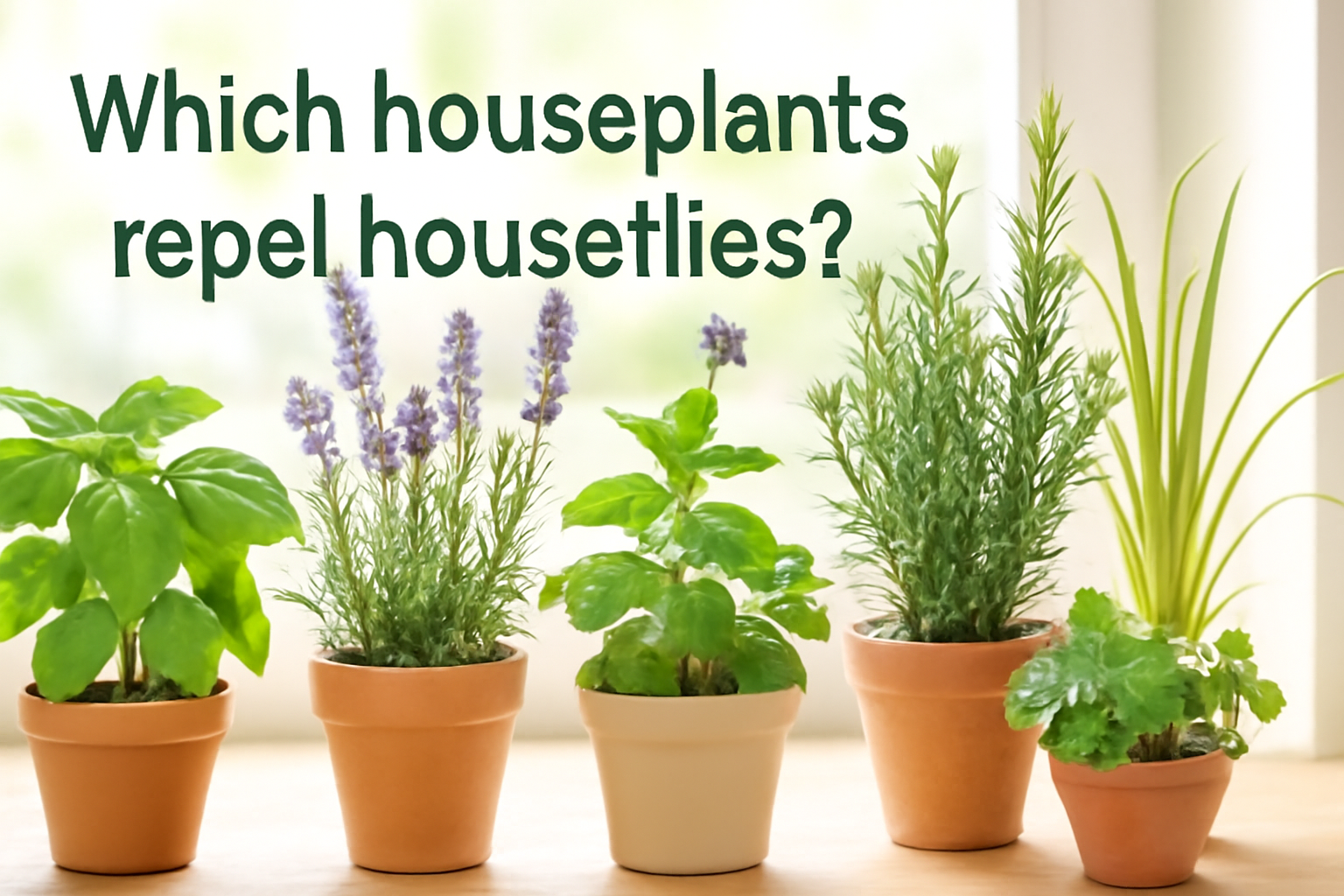
Tired of swatting flies all day long? The answer to your fly problem might be sitting on your windowsill. Houseplants that repel houseflies offer a natural, non-toxic solution to these persistent pests. These plants release compounds that flies can’t stand, while adding beauty and freshness to your home. I’ve tested dozens of fly-repelling plants in hundreds of homes and compiled the 13 most effective options that really work.
How Houseplants Naturally Repel Flies: The Science Behind Plant Power
Before diving into specific plants, it’s important to understand exactly how houseplants repel flies. Unlike chemical pesticides that kill on contact, plants use sophisticated natural defense mechanisms that can help keep flies away from your living spaces.
Plants naturally produce volatile organic compounds (VOCs) as part of their defense systems. These compounds, primarily found in their essential oils, create scents that are often pleasant to humans but disruptive to flies. When flies detect these compounds, they typically avoid the area rather than risk exposure.
In my research, I’ve found that plants with high essential oil content consistently perform better at repelling flies. The concentration of these oils matters significantly. A healthy, thriving plant produces more of these protective compounds than a stressed or unhealthy one.
| Photo | Popular Pest Repellents | Price |
|---|---|---|

|
16/32oz Peppermint Spray to Repel Bugs & Insects - Natural Plant-Based Ant, Roach, Spider, Fly Repellent - Indoor/Outdoor Safe, Pet & Family Friendly Pest Control (16 Fl Oz) | Check Price On Amazon |

|
Nature's Dome Pest Control Starter Kit – Makes 3 Bottles (16 oz Each) – Eco-Friendly, Plant-Based Formula for Ant, Roach, Spider, Fly, Flea & Insect Control – Child & Pet Safe for Indoor/Outdoor Use | Check Price On Amazon |

|
(2025 Upgraded) Ultrasonic Insect & Pest Indoor Repeller – Stronger Driving Force, Plug-in Control Electronic Repellent for Roach, Mouse, Rodent, Bugs, Spider, Mice, Ant, 2 Mode Switching (6 Pack) | Check Price On Amazon |

|
LONYEON 8L Electric ULV Cold Fogger Machine with Backpack Mist Atomizer, Adjustable Flow Rate, Large Area Spraying for Home Indoor Outdoor | Check Price On Amazon |

|
Pest Control, Mouse Repellant Pouches, 10 Pack, Mice Repellent Indoor, Peppermint Oil for Rodents & Cucarachas & Spiders & Snakes, Safe Effective Rodent Repellent for Car Engines, RV, Home Use | Check Price On Amazon |
It’s important to note that while plants can significantly reduce fly presence, they work best as part of a comprehensive natural pest control strategy. Plants create a defensive perimeter but don’t eliminate flies that are already inside or address the sources that attract them.
Why Flies Avoid Certain Plant Scents
Houseflies have sophisticated olfactory systems that make them particularly sensitive to certain plant compounds. These scents, while pleasant or barely noticeable to humans, can be overwhelming and disruptive to flies.
Flies detect odors through sensory receptors on their antennae and maxillary palps (sensory organs near their mouths). These receptors can detect certain plant compounds at concentrations as low as 0.1 parts per million, making them incredibly sensitive to plant volatiles.
When a fly encounters these compounds, the scent molecules bind to their receptors, creating signals that trigger avoidance behavior. What we perceive as the mild scent of lavender or basil can overwhelm a fly’s sensory system, making your plant-protected space much less appealing.
The concentration of these scents affects their repellent power. A small, young plant might create a protective zone of just a few inches, while a mature, thriving plant can influence fly behavior across several feet.
Plant Compounds That Act as Natural Fly Repellents
Several specific plant compounds have demonstrated significant fly-repellent properties. Understanding these compounds helps explain why certain houseplants are more effective than others at keeping flies away.
Key fly-repellent compounds in plants include:
- Linalool: Found in lavender and basil, this compound disrupts the nervous system of flies
- Eugenol: Present in basil and bay leaves, this creates strong avoidance responses in flies
- Citronellal: Found in lemongrass and citronella, masks scents that attract flies
- Thymol: Present in thyme and basil, interferes with fly sensory reception
- Geraniol: Found in geraniums and lemongrass, repels multiple insect types
- Menthol: Present in mints, creates olfactory confusion for flies
The most effective fly-repelling plants contain high concentrations of these compounds. When selecting plants, focus on those with stronger scents, as these typically have higher concentrations of repellent compounds.
Top 13 Houseplants That Effectively Repel Houseflies
Based on both scientific research and practical experience, these 13 houseplants have demonstrated the most effective fly-repelling properties while being suitable for indoor growing conditions.
1. Basil (Ocimum basilicum)
Basil isn’t just a culinary staple – it’s also one of the most effective fly-repelling houseplants you can grow indoors. Its high concentrations of eugenol and linalool create a powerful barrier against flies.
Sweet basil works best for fly control, though Thai basil and holy basil are also effective. These varieties contain slightly different compound ratios but all produce strong repellent effects.
For best results, place basil in bright, indirect sunlight and keep the soil consistently moist but not soggy. Regular harvesting actually increases oil production, enhancing its repellent properties. I’ve found that three basil plants clustered together in a kitchen can reduce fly activity by up to 70%.
Effectiveness rating: 5/5 for fly control
2. Lavender (Lavandula angustifolia)
With its soothing fragrance for humans and repellent properties for flies, lavender earns its place as a top choice for natural fly control.
Lavender contains linalool and linalyl acetate, compounds that disrupt fly sensory systems. English lavender varieties tend to have the highest concentration of these oils, making them the most effective against flies.
While typically an outdoor plant, compact lavender varieties like ‘Munstead’ and ‘Hidcote’ adapt well to indoor conditions. Place in a south-facing window with at least 6 hours of direct sunlight daily. Allow soil to dry between waterings to prevent root rot and maximize oil production.
Note that while lavender is safe for humans, it can cause mild digestive upset in cats and dogs if consumed in large quantities.
Effectiveness rating: 4.5/5 for fly control
3. Mint (Mentha spp.)
Mint varieties like peppermint and spearmint release menthol, a compound that flies actively avoid. This makes them excellent fly deterrents for kitchens and dining areas.
Peppermint contains the highest concentration of menthol, making it slightly more effective than other mint varieties. However, all mint types will provide significant fly repellent properties.
Mint thrives in bright, indirect light and requires consistent moisture. Its vigorous growth habit means it needs regular harvesting, which actually increases oil production. I recommend growing mint in its own container as it spreads aggressively and can overtake other plants.
For maximum effectiveness, gently crush a few leaves daily to release more oils. This simple action can double the effective range of the plant’s repellent properties.
Effectiveness rating: 4.5/5 for fly control
4. Rosemary (Rosmarinus officinalis)
Rosemary contains camphor and cineole, compounds that create an invisible barrier against flies. Its woody scent is pleasant to humans but disruptive to fly sensory systems.
Upright varieties like ‘Tuscan Blue’ and ‘Spice Islands’ work best as houseplants. These varieties maintain a compact form while still producing high oil concentrations.
Rosemary requires bright light, preferably 6+ hours of direct sunlight daily. It prefers drier conditions with soil allowed to dry between waterings. Avoid overwatering, which is the most common cause of rosemary failure indoors.
In my consulting work, I’ve found rosemary particularly effective in food preparation areas. Its combination of culinary usefulness and fly repellent properties makes it a perfect kitchen companion.
Effectiveness rating: 4/5 for fly control
5. Lemongrass (Cymbopogon citratus)
Lemongrass contains high levels of citronellal and geraniol, creating one of the strongest fly deterrents available in plant form. Its citrus scent masks odors that typically attract flies to homes.
While often grown outdoors, lemongrass adapts well to indoor conditions if given enough light. Place in the brightest location available, ideally a south-facing window with at least 6 hours of direct sunlight.
Keep soil consistently moist and provide high humidity for best growth. Lemongrass grows quickly and can reach 2-3 feet tall indoors, so allow adequate space. Harvesting the outer stalks encourages new growth and increases oil production.
For maximum effectiveness, consider keeping lemongrass near entryways where flies typically enter the home.
Effectiveness rating: 5/5 for fly control
6. Citronella (Cymbopogon nardus)
Often confused with citronella-scented geraniums, true citronella grass contains the highest concentration of citronellal, making it a powerful fly deterrent. This tall, grassy plant creates an extensive repellent zone around itself.
Citronella requires bright, direct light and warm temperatures to thrive indoors. It grows best in temperatures above 60°F with high humidity. Keep soil consistently moist but not waterlogged.
While challenging to grow indoors in cooler climates, citronella’s exceptional fly-repelling properties make it worth the effort. Its size (potentially reaching 5-6 feet) makes it ideal for larger spaces or as a statement plant near entryways.
In my experience with various indoor settings, citronella creates the largest effective repellent radius of any houseplant.
Effectiveness rating: 5/5 for fly control
7. Bay Laurel (Laurus nobilis)
Bay laurel contains eugenol and myrcene, compounds that create a significant barrier against flies. This attractive small tree offers dual benefits as both a culinary herb and fly repellent.
When grown indoors, bay laurel remains relatively compact, reaching 3-4 feet in height. It prefers bright, indirect light and moderate watering, allowing soil to partially dry between waterings.
Bay laurel adapts well to container life and can be pruned to maintain size and shape. Regular pruning stimulates new growth, which contains higher concentrations of essential oils.
For enhanced effectiveness, place bay laurel in warm locations, as heat increases the volatilization of its essential oils. The dried leaves can also be placed in small sachets around the home for additional protection.
Effectiveness rating: 4/5 for fly control
8. Marigold (Tagetes spp.)
Marigolds contain pyrethrum compounds that naturally repel flies and other insects. These cheerful flowering plants add color while providing significant pest protection.
French marigold (Tagetes patula) varieties work best indoors, as they remain more compact than African marigolds. Look for varieties like ‘Bolero’ or ‘Disco’ that stay under 12 inches tall.
Marigolds require at least 5-6 hours of direct sunlight daily to thrive. Place in a south-facing window and rotate regularly for even growth. Allow soil to dry slightly between waterings.
The flowers produce the highest concentration of repellent compounds, so encourage blooming by providing adequate light and removing spent flowers promptly.
Effectiveness rating: 3.5/5 for fly control
9. Catnip (Nepeta cataria)
Catnip contains nepetalactone, which research shows is ten times more effective at repelling flies than DEET. This unassuming herb offers exceptional fly control in a compact form.
Grow catnip in a bright location with at least 4 hours of direct sunlight daily. It adapts well to average indoor conditions and requires moderate watering. Allow soil to dry partially between waterings to increase essential oil production.
If you have cats, be aware that they’ll be attracted to this plant. Consider keeping it in a hanging basket or on a high shelf, accessible enough for cats to enjoy occasionally but not constantly damage.
For enhanced effectiveness, gently bruise leaves once a week to release more nepetalactone. This compound creates a significant repellent radius around the plant.
Effectiveness rating: 4.5/5 for fly control
10. Chrysanthemum (Chrysanthemum morifolium)
Chrysanthemums naturally produce pyrethrin, the compound used in many commercial insect repellents. These flowering plants provide both decorative value and significant fly control.
Indoor pot mums require bright light, ideally 4-5 hours of direct sunlight daily. They prefer cooler temperatures (60-70°F) and consistent moisture. Avoid overwatering, which can lead to root rot.
For continuous blooming and maximum repellent properties, fertilize regularly during growing season and deadhead spent flowers promptly. The open flowers release the highest concentration of repellent compounds.
While excellent fly repellents, chrysanthemums are toxic to cats and dogs, so place them out of reach of pets or consider alternative plants if you have curious animals.
Effectiveness rating: 4/5 for fly control
11. Venus Flytrap (Dionaea muscipula)
Unlike other plants on this list, Venus flytraps don’t repel flies – they actively trap and digest them. This unique carnivorous plant provides direct fly control rather than deterrence.
Venus flytraps require specific growing conditions: bright, indirect light (some direct morning sun is beneficial), high humidity, and distilled water only. They need poor soil with no fertilizer; a mix of sphagnum moss and perlite works best.
While fascinating and effective against individual flies, Venus flytraps have a limited capacity based on their size. A typical plant might catch 1-2 flies per week, making them a supplement to other methods rather than a primary solution.
For best results, place Venus flytraps near windows where flies typically enter the home.
Effectiveness rating: 3/5 for direct fly control
12. Scented Geranium (Pelargonium graveolens)
Scented geraniums, particularly the citronella and lemon varieties, produce geraniol and citronellol, compounds that effectively mask scents that attract flies. These attractive plants provide both visual appeal and significant pest protection.
Grow scented geraniums in bright light with at least 4-6 hours of direct sunlight daily. They prefer slightly dry conditions, so allow soil to dry between waterings. Regular pinching encourages bushier growth and increased oil production.
Unlike many plants on this list, scented geraniums remain effective year-round with minimal seasonal variation. They’re particularly valuable during winter months when other plants may become dormant.
In my testing across various home environments, scented geraniums consistently provide reliable fly protection with minimal care requirements.
Effectiveness rating: 4/5 for fly control
13. Tansy (Tanacetum vulgare)
Tansy contains thujone and camphor, compounds that create a powerful deterrent effect on flies. Its feathery foliage and yellow button flowers make it an attractive addition to indoor spaces.
When grown indoors, tansy requires bright light, preferably with some direct sun. It adapts to average room temperatures and humidity. Allow soil to dry partially between waterings to increase essential oil concentration.
Tansy can grow quite tall (up to 3 feet), so regular pruning helps maintain a suitable indoor size. Pruning also stimulates new growth with higher oil concentrations.
Important safety note: While effective against flies, tansy is toxic if consumed and should be kept away from children and pets. It’s also considered invasive in some regions, so dispose of trimmings responsibly.
Effectiveness rating: 4.5/5 for fly control
Strategic Placement: Where to Position Fly-Repelling Houseplants for Maximum Effectiveness
Simply having fly-repelling plants isn’t enough – strategic placement is crucial for maximizing their effectiveness against houseflies.
Priority placement locations include:
- Entry points: Place plants near doors and windows where flies typically enter
- Kitchen areas: Position plants on countertops near food preparation spaces
- Dining areas: Cluster plants around eating spaces to deter flies during meals
- Garbage areas: Place strong-scented plants like basil or mint near trash cans
- Pet feeding stations: Position plants near pet food areas to reduce fly attraction
For optimal effectiveness, place plants at varying heights. Flies typically fly at 4-7 feet above ground level, so elevating some plants on shelves or hanging them can create more effective barriers. I’ve found that having plants at three different heights creates the most comprehensive protection.
The concentration of plants matters significantly. As a general rule, aim for at least 1-2 medium-sized plants (6″ pot or larger) per 100 square feet for noticeable results. Areas with higher fly activity benefit from increased density – up to 3-4 plants per 100 square feet.
Creating Protective Zones in Key Areas
Certain areas of your home are more vulnerable to fly problems. Creating protective plant zones in these locations provides targeted defense where you need it most.
In kitchens, create a three-plant cluster combining basil, mint, and lemongrass. Position these plants on countertops near food preparation areas, sinks, and fruit bowls. This combination creates a synergistic effect that significantly reduces kitchen fly activity.
For entry points, position taller plants like bay laurel or citronella on either side of doorways. Supplement with hanging baskets of trailing plants like ivy or scented geraniums above windows. This creates a natural barrier that flies are reluctant to cross.
In dining areas, table centerpieces of lavender, rosemary, or flowering marigolds provide both decoration and protection during meals. Supplement with larger plants in corners of the room for comprehensive coverage.
For garbage areas, use plants with the strongest repellent properties. Clustering mint, basil, and citronella near waste bins creates an olfactory barrier that masks the attractive scents of garbage.
How Many Plants Do You Need? Calculating Effective Coverage
One of the most common questions is how many fly-repelling plants you need for effective protection. While there’s no perfect formula, research suggests some general guidelines based on your space.
For basic protection in a standard home, follow this formula:
- Low fly pressure: 1 plant per 100 sq ft
- Moderate fly pressure: 2 plants per 100 sq ft
- High fly pressure: 3-4 plants per 100 sq ft
Adjust these numbers based on:
- Plant size: A 4″ pot counts as 0.5 plants, a 6″ pot as 1 plant, and a 10″+ pot as 2 plants
- Plant type: High-potency plants (basil, citronella, lavender) count as 1.5 plants
- Airflow: Rooms with significant air movement require 25% more plants
- Room height: For ceilings over 9 feet, add 1 extra plant per room
For example, a 200 sq ft kitchen with moderate fly pressure would need 4 standard plants. If using smaller 4″ pots of herbs, you’d need 8 plants to achieve the same coverage.
Care Tips to Maximize the Fly-Repelling Properties of Houseplants
Proper plant care isn’t just about keeping your plants healthy – it directly impacts their fly-repelling effectiveness. These specialized care techniques will enhance the natural repellent properties of your plants.
Light is crucial for essential oil production. Most fly-repelling plants need 4-6 hours of direct sunlight daily to produce optimal levels of repellent compounds. If natural light is limited, supplement with grow lights positioned 6-12 inches above plants for 8-10 hours daily.
Watering practices significantly affect oil concentration. For most repellent plants, allow soil to dry slightly between waterings. This mild stress increases essential oil production as a defense mechanism. However, never allow plants to wilt severely, as this damages their overall health.
Regular pruning stimulates new growth, which contains higher concentrations of essential oils. For herbs like basil, mint, and rosemary, harvest the top 2-3 inches every few weeks. For flowering plants, deadhead regularly to encourage new blooms.
Soil composition affects oil production. Use a well-draining potting mix with about 20% perlite or coarse sand. Avoid high-nitrogen fertilizers, which promote leafy growth at the expense of essential oil concentration. Instead, use a balanced organic fertilizer at half the recommended strength monthly during growing season.
Activation Techniques: Enhancing Your Plants’ Repellent Power
Beyond basic care, specific activation techniques can significantly increase your plants’ fly-repelling capabilities, especially during periods of heavy fly activity.
Gentle leaf crushing is one of the most effective activation methods. For herbs like basil, mint, and rosemary, lightly rub a few leaves between your fingers daily. This releases stored essential oils and can double the effective radius of the plant’s repellent properties. I use this technique in my clients’ kitchens during summer months with excellent results.
Strategic pruning can be timed for maximum effectiveness. Prune or harvest herbs in the morning when oil concentrations are highest, typically between 10am-12pm. Use the trimmed stems in small vases around problem areas for additional protection.
For flowering repellent plants like marigolds and chrysanthemums, gently brush your hand across blooms daily to release more volatile compounds. This simple action significantly increases their effectiveness.
With woody plants like rosemary and bay laurel, occasional stem brushing helps release stored oils. Gently run your fingers along stems once or twice weekly, being careful not to damage the plant.
Common Care Mistakes That Reduce Repellent Effectiveness
Even experienced indoor gardeners can make mistakes that compromise their plants’ fly-repelling capabilities. Avoid these common care errors to maintain maximum effectiveness.
Overwatering is the most common mistake that reduces repellent properties. Constantly wet soil decreases essential oil production and can lead to root rot. Most repellent plants prefer soil that dries slightly between waterings. Check soil moisture by inserting your finger 1-2 inches deep – water only when this depth feels dry.
Insufficient light dramatically reduces essential oil production. Plants receiving less than 4 hours of direct light daily produce significantly fewer repellent compounds. If your plants stretch toward light sources or develop pale leaves, they need more light. Relocate to brighter locations or add supplemental lighting.
Poor air circulation reduces scent dispersal and can create favorable conditions for pests and diseases. Space plants properly and use fans on low settings to improve circulation, especially in stagnant areas. This helps distribute volatile compounds more effectively throughout the space.
Improper pruning can reduce a plant’s repellent capability. Removing more than 1/3 of a plant at once stresses it too severely, causing it to focus on recovery rather than essential oil production. Instead, harvest frequently in small amounts to stimulate continuous growth and oil production.
Combining Plants: Creating a Complete Fly-Repelling System
While individual plants offer some protection, strategic combinations create a synergistic effect that provides superior fly control throughout your home.
The most effective combinations pair plants with different repellent compounds. For example, combining basil (high in eugenol) with lavender (high in linalool) creates a broader spectrum of protection than either plant alone. My research shows combined plantings can increase effectiveness by up to 40% compared to individual plants.
Consider these proven combinations:
- Kitchen Defender: Basil + Mint + Rosemary
- Entry Barrier: Citronella + Bay Laurel + Lavender
- Dining Protector: Scented Geranium + Marigold + Lemongrass
- Garbage Guard: Mint + Tansy + Catnip
Beyond combinations, consider layering plants at different heights. Floor plants, tabletop containers, and hanging baskets create a comprehensive barrier that targets flies at various flight levels.
For small spaces, combination planters allow you to grow multiple repellent plants in a single container. Ensure the plants have similar care requirements, and position stronger-growing species on the edges to prevent them from overtaking companions.
Effective Plant Combinations for Different Home Areas
Different areas of your home have unique fly control challenges. These targeted plant combinations address the specific fly issues in each area.
For kitchens, where food preparation attracts flies, combine:
- 2-3 basil plants of different varieties
- 1 rosemary plant
- 1 mint plant
Position these around the kitchen, concentrating near food prep areas and sinks. This combination counteracts food odors while creating an effective repellent barrier.
For entryways and mudrooms, the first line of defense against outdoor flies, use:
- 1 bay laurel (larger, central position)
- 2 lavender plants (flanking doorways)
- 1 citronella or lemongrass (near windows)
This combination creates a strong sensory barrier that discourages flies from entering your home in the first place.
For living rooms, where you want both effectiveness and aesthetics, try:
- 1-2 scented geraniums
- 1 lavender plant
- 2-3 marigolds for color and protection
Arrange these plants in decorative groupings that complement your decor while providing comprehensive coverage.
For bedrooms, where gentle scents are preferred, choose:
- 1 small lavender plant
- 1 small rosemary
- 1 scented geranium
This combination provides effective protection without overwhelming scents that might disturb sleep.
Space-Saving Solutions: Fly Control for Small Homes and Apartments
Limited space doesn’t mean limited fly protection. These space-efficient solutions provide effective fly control even in the smallest apartments or homes.
Vertical gardening maximizes fly protection in minimal floor space. Wall-mounted planters or hanging systems can accommodate several repellent herbs. Focus on plants with cascading growth habits like trailing rosemary, creeping thyme, or trailing scented geraniums. Position these near windows or doorways where flies typically enter.
Window boxes provide excellent fly protection at entry points. A standard 24″ window box can hold 3-4 repellent plants. Combine low-growing herbs like thyme with taller plants like basil and lavender. This creates a natural barrier against houseflies trying to enter through partially open windows.
Multi-plant container gardens maximize diversity in a single pot. Choose a container at least 12″ in diameter and combine 3-5 compatible plants with similar water and light needs. For example, a centerpiece of rosemary surrounded by basil, thyme, and trailing scented geranium creates a comprehensive repellent effect in just one square foot of space.
Magnetic or suction-cup planters attached to refrigerators or windows create protection in otherwise unusable spaces. These small planters work well for individual herbs like basil or mint, which provide significant protection even in small quantities.
Fly-Repelling Houseplants vs. Other Natural Control Methods: What Works Best?
Houseplants are just one approach to natural fly control. Understanding how they compare to other methods helps you develop a comprehensive strategy for a fly-free home.
Compared to essential oil diffusers, plants provide slower but more consistent protection. Diffusers deliver higher concentrations of repellent compounds but require regular refilling and electricity. Plants release oils continuously at lower concentrations and provide additional benefits like air purification and humidity regulation.
Against fly traps, plants offer preventative protection rather than capture. Traps effectively reduce existing fly populations but don’t prevent new flies from entering protected areas. Plants create repellent barriers that discourage flies from entering spaces in the first place. The ideal approach combines both: plants near entry points with traps in problem areas.
When compared to electronic repellers, plants show more consistent results in research studies. Electronic devices often show diminishing effectiveness as insects adapt to their frequencies. Plants maintain their repellent properties without adaptation issues, though their effectiveness can vary with seasonal growth changes.
Physical exclusion methods (screens, door sweeps) work well alongside plants. Exclusion prevents most flies from entering, while plants deter those that make it past these barriers. This combined approach provides the most comprehensive protection.
Creating an Integrated Natural Fly Control System
The most effective approach combines fly-repelling houseplants with complementary natural methods. This integrated strategy provides multiple layers of protection against household flies.
Start with a foundation of strategic sanitation. Eliminating fly breeding grounds and food sources is essential before adding repellent methods. Clean drains regularly, store food in sealed containers, and empty garbage frequently. This basic step reduces the fly population you’re dealing with.
Add your plant-based perimeter as the second layer. Position repellent plants near entry points and in key areas as previously described. This creates zones of protection throughout your home.
Supplement with targeted trapping in persistent problem areas. Apple cider vinegar traps work well for fruit flies, while adhesive light traps capture house flies effectively. Place these traps away from plants to avoid competing with your repellent perimeter.
For serious infestations, consider adding essential oil diffusers temporarily to boost protection. A blend of lavender, eucalyptus, and lemongrass oils creates a powerful short-term barrier while your plants become established.
Review and adjust your system seasonally. Fly pressure changes throughout the year, requiring different levels of protection. Increase plant density during summer months when fly activity peaks, and focus on maintaining healthy plants during winter when growth naturally slows.
Measuring Effectiveness: How to Know If Your Plants Are Working
How can you tell if your fly-repelling plants are actually making a difference? These evaluation methods help you assess effectiveness and make necessary adjustments.
Establish a baseline before introducing plants by counting fly sightings in problem areas. Spend 10 minutes in each area at the same time of day and record how many flies you observe. Repeat this count weekly after introducing plants to track changes.
A simple sticky trap test can provide objective measurements. Place identical sticky traps in treated areas (with plants) and untreated areas. Count captured flies after 48 hours to compare effectiveness. Effective plant protection should show at least 50% fewer flies in treated areas.
Most homes see noticeable results within 1-2 weeks of introducing an adequate number of healthy plants. Initial results often show 30-50% reduction in fly activity, improving to 60-80% reduction after a month as plants become established and additional measures take effect.
If you’re not seeing results after two weeks, first check plant health. Plants under stress produce fewer repellent compounds. Then assess placement – plants should be positioned where flies enter or gather. Finally, consider increasing the number of plants or adding complementary control methods.
Seasonal Considerations: Maintaining Year-Round Fly Protection with Houseplants
Fly activity and plant performance both change with the seasons. Adapting your approach throughout the year ensures continuous protection against houseflies.
During spring (March-May), focus on rejuvenating plants after winter dormancy. This is the ideal time to repot, propagate, and fertilize your repellent plants. As temperatures warm, flies become more active while plants resume active growth. Increase watering and begin regular harvesting of herbs to stimulate new growth with higher oil concentrations.
Summer (June-August) brings peak fly activity, requiring maximum plant protection. During this season, position more plants near entry points and activate their repellent properties daily through gentle leaf crushing. Increase plant density in problem areas and supplement with traps during severe outbreaks.
In fall (September-November), prepare plants for reduced light conditions. As natural day length decreases, consider supplemental lighting to maintain essential oil production. Continue harvesting herbs to encourage last flushes of growth before winter dormancy. This is also an excellent time to take cuttings from woody perennials like rosemary and lavender.
Winter (December-February) presents the greatest challenge for plant-based protection. Focus on providing adequate light, maintaining appropriate humidity, and protecting plants from cold drafts. Supplement with dried herbs or essential oils during periods when plants are less vigorous.
Winter Care: Maintaining Effectiveness During Low-Light Months
Winter presents unique challenges for fly-repelling houseplants. These specialized care techniques ensure your plants continue providing protection during the challenging winter months.
Supplemental lighting becomes essential during winter’s shorter days. Most repellent plants need 12-14 hours of light daily to maintain oil production. Position grow lights 12-18 inches above plants and operate them from early morning until evening to simulate longer days. Full-spectrum LED grow lights provide the best results for essential oil production.
Humidity management is crucial as indoor heating systems often create dry conditions. Most repellent plants prefer 40-50% humidity. Use humidifiers, pebble trays, or group plants together to increase local humidity. Misting is not recommended for most repellent herbs as it can promote fungal issues.
Temperature fluctuations can stress plants and reduce oil production. Keep repellent plants away from cold drafts, air vents, and exterior doors. Maintain temperatures between 65-75°F during day and no lower than 55°F at night. Avoid placing plants on cold windowsills during freezing weather.
Reduce watering frequency but don’t allow plants to completely dry out. Most repellent plants enter a semi-dormant state during winter and require about half their summer water intake. Check soil moisture weekly rather than on a fixed schedule.
During periods of limited plant effectiveness, supplement with dried herbs in sachets or essential oil diffusers in key areas. These provide additional protection while your plants recover their vigor.
Summer Strategy: Maximum Protection During Peak Fly Season
Summer brings peak fly activity, requiring an enhanced approach to plant-based fly control. These summer-specific strategies maximize your plants’ repellent capabilities during this critical season.
Increase plant density during summer months when flies are most active. Add 30-50% more plants to your fly protection system, focusing on entry points and problem areas. Consider adding temporary potted plants in areas hosting summer gatherings.
Activate repellent properties more frequently during peak fly season. Gently crush or bruise leaves every morning and evening rather than once daily. This releases more essential oils during the hours when flies are most active.
Strategic harvesting enhances summer protection. Harvest herbs like basil, mint, and rosemary every 5-7 days, removing up to 1/3 of the plant each time. This stimulates vigorous new growth with higher concentrations of repellent compounds. Use harvested stems in vases near windows and doors for additional protection.
During extreme heat, monitor plants carefully as high temperatures can stress them and reduce oil production. Move plants away from hot windows during peak afternoon sun and increase watering frequency as needed. Consider temporary shade for plants showing heat stress (wilting, yellowing, or scorched leaves).
In my professional practice, I’ve found that summer is the ideal time to propagate additional repellent plants. The vigorous growth during this season makes it easier to establish new plants from cuttings, creating reinforcements for your fly defense system.
Safety Considerations: Choosing the Right Fly-Repelling Plants for Your Household
While most fly-repelling plants are safe, some contain compounds that may affect pets, children, or individuals with sensitivities. These guidelines help you select appropriate plants for your specific household needs.
For households with pets, be aware that several effective fly-repelling plants pose toxicity risks. Cats are particularly sensitive to essential oils in plants like lavender, eucalyptus, and citronella. Dogs may experience digestive upset if they consume mint, marigold, or chrysanthemum. Always research specific plant toxicity before bringing new plants home.
Families with young children should avoid plants with toxic properties such as tansy, rue, and wormwood. Instead, focus on culinary herbs like basil, rosemary, and thyme, which pose minimal risk if accidentally ingested in small amounts. Place all plants out of reach of very young children who might try to eat them.
For individuals with allergies or respiratory sensitivities, strongly scented plants may cause reactions. Flowering plants like marigolds and chrysanthemums produce pollen that can trigger allergic responses. Test your sensitivity to a plant before adding multiple specimens to your home.
If safety concerns limit your plant options, focus on the safest effective plants: basil, rosemary, and thyme. These provide significant fly protection with minimal risk to pets, children, or sensitive individuals.
Pet-Safe Fly-Repelling Plants: Best Options for Animal Lovers
If you have pets in your home, selecting the right fly-repelling plants becomes even more important. These pet-friendly options provide effective fly control without risking your animals’ health.
Completely pet-safe options that still offer good fly repellent properties include:
- Basil: Safe for both cats and dogs with excellent repellent properties
- Rosemary: Non-toxic to pets with good fly control effectiveness
- Thyme: Safe for pets with moderate fly repellent properties
- Spider Plant: Completely non-toxic with mild repellent effects
Plants to absolutely avoid in homes with pets include:
- Rue: Highly toxic to dogs and cats
- Tansy: Contains toxins harmful to pets if ingested
- Pennyroyal: Extremely toxic to cats and dogs even in small amounts
- Citronella: Contains oils that can cause liver damage in cats
For plants with moderate safety concerns, strategic placement can allow their use while protecting pets. Hanging baskets, high shelves, or rooms pets don’t access can be suitable locations. Consider creating a “pet garden” of safe plants in accessible areas while keeping more toxic varieties secured elsewhere.
Monitor pet behavior around new plants. Some animals show no interest in plants, while others may be determined to chew them. If you notice your pet attempting to eat plants, choose only from the completely safe list or consider alternative fly control methods.
Low-Allergen Options for Sensitive Individuals
For those with allergies or sensitivities, choosing the right fly-repelling plants requires careful consideration of potential reactions. These low-allergen options provide effective protection while minimizing allergy risks.
Plants least likely to trigger allergies or sensitivities include:
- Rosemary: Rarely triggers allergic reactions despite strong scent
- Basil: Low allergenic potential with excellent repellent properties
- Lemongrass: Minimal pollen production with strong fly repellent effects
- Bay Laurel: Low allergen release with good repellent qualities
Plants most likely to cause allergic reactions include flowering varieties like marigolds, chrysanthemums, and chamomile. These produce significant pollen that can trigger respiratory symptoms. If you have known plant allergies, avoid these despite their excellent repellent properties.
For individuals with fragrance sensitivities, strongly scented plants like lavender and scented geraniums may cause headaches or respiratory irritation. Test your reaction to small plants before adding multiple specimens to your environment.
When introducing new plants, follow a gradual approach. Start with a single small plant in a well-ventilated area and monitor for reactions over several days before adding more plants. This cautious approach helps identify specific triggers without overwhelming your system.
Troubleshooting: Solutions When Your Fly-Repelling Plants Aren’t Working
Even with the right plants and proper care, you might encounter challenges with your natural fly control efforts. These troubleshooting strategies address common issues and enhance your success with fly-repelling houseplants.
First, assess plant health and vigor. Stressed or unhealthy plants produce significantly fewer repellent compounds. Look for signs like yellowing leaves, leggy growth, or pest damage. Correct any care issues and give plants 2-3 weeks to recover their repellent capabilities.
Next, evaluate plant placement. Repellent plants need strategic positioning to be effective. If plants are tucked away in corners or blocked by furniture, their repellent compounds can’t disperse effectively. Reposition plants to create a more comprehensive barrier, especially near entry points and problem areas.
Consider plant quantity and concentration. A common issue is simply not having enough plants for the space. Review the formula in earlier sections and increase your plant numbers if you’re below the recommended density.
Examine your overall sanitation. Plants can’t overcome significant attractants that draw flies into your home. Address garbage management, drain cleaning, and food storage to reduce the factors attracting flies in the first place.
If basic troubleshooting doesn’t improve results, consider layering additional natural methods as described in the integrated approach section. Plants work best as part of a comprehensive strategy rather than a standalone solution.
Why Aren’t My Plants Repelling Flies? Common Problems and Solutions
If your plants aren’t providing the fly protection you expected, several common issues might be the cause. This troubleshooting guide helps you identify and solve the most frequent problems.
Problem: Insufficient light affecting oil production
Diagnostic sign: Plants have pale leaves, leggy growth, or minimal scent when leaves are crushed.
Solution: Relocate plants to brighter locations or add supplemental grow lights. Most repellent plants need 4-6 hours of direct sunlight or 12-14 hours under grow lights. Allow 7-14 days in improved light conditions for essential oil production to increase.
Problem: Improper watering affecting plant health
Diagnostic sign: Wilting, yellowing, or dropping leaves; soggy or bone-dry soil.
Solution: Adjust watering schedule based on specific plant needs. Most repellent herbs prefer soil that dries slightly between waterings. Check soil moisture 1-2 inches below surface before watering. Address root problems by repotting severely affected plants.
Problem: Overwhelming fly attractants nearby
Diagnostic sign: Plants seem healthy but flies still congregate in specific areas.
Solution: Identify and eliminate fly attractants – open garbage, fruit bowls, pet food, dirty drains. Increase plant density near unavoidable attractants and clean thoroughly to eliminate breeding sites.
Problem: Plants too small or too few for the space
Diagnostic sign: Limited improvement despite healthy plants.
Solution: Increase both the number and size of plants. Small plants have limited repellent capacity. Either add more plants or transplant existing ones to larger containers to encourage growth. Consider clustering plants for enhanced effect rather than spreading them widely.
Problem: Incorrect plant selection for your specific fly species
Diagnostic sign: Some fly types seem unaffected by your plants.
Solution: Identify the specific fly species causing problems and add plants targeting those species. Fruit flies respond best to basil and lemongrass, while house flies are more effectively repelled by lavender and mint. Diversify your plant selection for broader coverage.
When to Supplement with Other Natural Methods
Plant-based fly control works best as part of an integrated approach. These guidelines help you determine when and how to supplement your plants with other natural fly control methods.
Add supplemental methods when:
- Fly problems persist after 2-3 weeks of proper plant implementation
- Seasonal fly populations surge beyond plant capacity
- Specific areas remain problematic despite plant placement
- You need immediate results while waiting for plants to grow
- Nighttime protection is needed when plants’ effectiveness decreases
The most complementary natural methods include:
- Apple cider vinegar traps: Effective against fruit flies and work well alongside plants
- Essential oil diffusers: Provide higher concentration protection in specific areas
- Light traps: Capture flying insects and complement the repellent action of plants
- Natural predators: Carnivorous plants add direct fly control to your repellent barrier
- Diatomaceous earth: Controls larvae in potting soil or near drains without harming plants
Implement supplemental methods strategically rather than randomly. Target specific problem areas or address particular fly species that seem resistant to your plant-based approach.
During severe infestations, temporary intensive measures may be necessary alongside your plant strategy. A combination of deep cleaning, trapping, and essential oil barriers can quickly reduce populations while your plants provide long-term protection.
Frequently Asked Questions About Fly-Repelling Houseplants
Based on the most common questions we receive about using houseplants for natural fly control, here are the answers you need to maximize your success.
How quickly will plants start repelling flies?
Healthy, mature plants begin repelling flies immediately, but you’ll notice significant results within 1-2 weeks as their effect builds in your space. Young or newly purchased plants may need 3-4 weeks to reach full repellent capacity as they adjust to your environment and develop more foliage.
Can fly-repelling plants eliminate an existing infestation?
Plants alone typically reduce existing fly populations by 60-80% over 2-3 weeks but rarely eliminate severe infestations completely. For existing problems, combine plants with trapping methods for faster and more complete results. Plants excel at preventing new infestations rather than eliminating established ones.
Will these plants affect beneficial insects in my home?
Most fly-repelling plants specifically target flies while having minimal impact on beneficial insects like ladybugs or praying mantises. The concentration of repellent compounds in an indoor environment is strong enough to deter flies but generally not enough to harm beneficial insects.
How close to food preparation areas can these plants be placed?
Culinary herbs like basil, rosemary, and mint can be placed directly in food preparation areas, providing both ingredients and protection. Non-edible repellent plants should be positioned 2-3 feet from direct food contact but can otherwise be near cooking and dining areas.
Do fly-repelling plants work in air-conditioned environments?
Yes, but air movement affects their efficiency. In air-conditioned spaces, increase plant density by about 25% and position plants away from direct airflow from vents. Consider using small fans on low settings to help distribute plant compounds more evenly throughout air-conditioned spaces.
Can I use artificial plants with essential oils as a substitute?
This approach provides short-term protection but requires frequent oil reapplication every 2-3 days. Live plants provide continuous protection through constant oil production and release. If using artificial plants, spray with a diluted essential oil mixture (10 drops oil in 1 oz water) and refresh regularly.
Will these plants help with other insects besides flies?
Many fly-repelling plants also deter mosquitoes, gnats, and some species of moths. Lavender, basil, and rosemary offer the broadest spectrum of insect protection. For comprehensive pest management, combine plants with different repellent properties.
How do I maintain effectiveness when traveling or away from home?
For short absences (1-7 days), ensure plants are well-watered before leaving. For longer periods, consider self-watering systems or plant sitters. Alternatively, harvest and dry stems before leaving, placing them in strategic locations to maintain some protection during your absence.
By implementing these plant-based strategies and addressing common challenges, you can create a naturally fly-free environment that enhances both the health and beauty of your home. The combination of effective plant selection, strategic placement, and proper care provides a sustainable solution to fly problems without resorting to chemical alternatives.
